
원문 보기
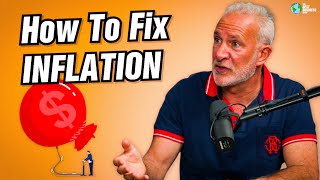
july inflation numbers have come out 5.4 percent cpi and core is at 4.3 what's your take on the inflation numbers well you know first of all this is the first time this year right this is the seventh monthly inflation number this the first time we didn't beat expectations you know we actually met expectations for a 0.5 percent rise but that's still a big increase and even though it's not quite as big as the 0.9 from the prior month if you add up the first seven months of the year and then you annualize that we're at 7.2 percent a cpi which is well above the fed's you know target of two percent where they say we're aiming to get a little bit above two percent they are way more than a little bit above two percent and these aren't even honest numbers you know a third of the cpi is rent and even though rents are surging uh the cpi only reports about a two and a half percent uh year over year increase so uh if we had real rents in the cpi we'd probably be you know around 10 maybe more so you think that the rent not being included in a real way in the cpi number is really uh kind of artificially keeping that number down compared to what it really is for the average american sure and that's just one way because i think a lot of the other price components the way they move them through the cpi with hedonic adjustments or weighting or geometric averaging whatever they do they have all kinds of sleight of hand to take a big number and then make it into a smaller number by the time it goes through all the machinations that are part of the cpi formula so sure the average american is experiencing a cost of living increase that far exceeds what the cpi shows and you know one of the things on rent too i think that the fact that there is this eviction moratorium this is also keeping landlords from raising rents because the people aren't even paying their rents because they can't be evicted but i think once the eviction moratorium ends and it eventually will end i mean it's clearly unconstitutional even the supreme court has said it's unconstitutional uh but eventually it's going to come to an end and then all those pent-up rent increases are going to happen all at once and and you know whether or not that gets captured in the cpi remains to be seen but it certainly will be experienced uh by americans who are renting all right let's talk about used in new cars earlier in the show we pulled up the charts and it's just literally going parabolic it's like off the chart for both of them used cars up 42 percent year over year how do you look at those kind of such outlandish increases in prices affecting the cpi and core inflation numbers yeah well i mean those numbers are in there although i i my guess would be it's understated even though it's a big you know part of the increase but clearly this is the result of inflation because the federal reserve and other central banks can print money but they can't mass produce automobiles right so we're printing money faster than we're producing cars and so that's why the price of cars is going up now a lot of people want to say oh you know this is just a supply shortage inflation always you know includes a supply shortage because you have a demand surplus where does the demand surplus come from printing money you see the real way to increase demand for cars is to produce more cars and so when you produce more cars the price of cars can come down in real terms and then that can lead to increased demand but when you increase demand by just printing money and giving it to people to buy cars that haven't been produced then what happens is the price of those cars just goes up or the cars that have been produced and that's what we see especially in used cars because the used cars are already here and so people are buying those instead of the new cars that don't exist and they're bidding up the prices of the used cars talk to us a little bit about what uh what some would call like a shrink flation so it's not just the increase in price but also the idea that people are actually delivering less goods for the same price they keep the price the same but they deliver less goods how does that impact some of these numbers well you know i have a feeling that a lot of these decreases in quantity are not necessarily getting captured in the cpi these are really marketing gimmicks because a lot of companies would prefer to disguise the price increases and so the way they do that is just they you know they put fewer sheets of toilet paper in the roll or they don't they put a little less cereal in the box but they don't raise the price and sometimes they really try to fool the customers they actually make the box bigger as they're putting less cereal inside it to really confuse you into thinking you're getting more when you're actually ending up with less but there's a limit to how small they can make the packages right i mean eventually we can't buy toilet paper by the sheet so at some point the rolls become so short or small it's ridiculous and then the packaging becomes a problem so the the the um the retailers are going to run out of smoke and mirrors and more of the price increases are going to end up uh being actually higher prices and not just uh you know smaller quantities but i think another way that price increases don't even get don't even show up in the cpi is when companies just start adding fees for things that used to be free and so those free things you know weren't even part of the cpi so all of a sudden companies start making up things and charging you so that you're paying money for things that you used to got used to get for free or that were part of the service none of that is in the cpi because there's nothing to base it on because it it wasn't even a component hey guys thanks so much for watching that clip of the best business show make sure you like and subscribe to the channel turn on notifications so you know when we go live every weekday and then head to sofi.com so that you can get an account we can get after it




Comments 0