
저자: JeremyGrantham—블룸버그인터뷰출연,영상제작자MHFIN해설 · 외국인
요약 보기
제레미 그랜섬은 1년 전 예측한 대폭락(1929급, 주식 90% 하락)이 빗나갔음에도 여전히 대붕괴가 임박했다고 주장한다. 근거는 러셀2000과 S&P500의 '대분기(Great Divergence)'로, 작년 러셀2000은 약 -15%, S&P500은 +15%를 기록했다. 그는 현재를 거품 붕괴 전 '바이 더 딥(buy the dip)' 국면으로 보며, 광기의 투기는 끝났지만 그 뒤 반등 후 대폭락이 온다고 본다. 1929년 사례를 든다. 확신 수준은 작년 닷컴·일본·2007 주택 거품 때보다 낮았지만, 지금은 '거의 확실'하다고 말한다. 매도 권고 질문에는 명시적으로 전부 팔라고 하지는 않았으나, 미국 시장이 거품의 정점이며 다른 지역(세계 대부분)은 덜 고평가돼 있어 미국이 더 크게 하락한다고 본다. 자신은 러셀2000과 나스닥 지수에 공매도(숏) 포지션을 보유 중이며 개별 종목 숏은 권하지 않는다. 장기투자(바이앤홀드)의 위험도 강조한다. 1929년 다우 투자자는 실질 원금 회복까지 약 25년(1954년), 2000년 닷컴 고점은 13년, 일본 1989년 고점은 여전히 회복 못 했다고 설명한다. 다만 영상 말미 해설자는 증시 흐름이 이후에도 계속 주목할 만하다는 중립적 코멘트만 남긴다. 그랜섬의 대분기 논리와 공매도 포지션은 근거가 명확하나, 과거 예측 실패 이력과 타이밍 불확실성을 고려해야 한다.
다듬은 글
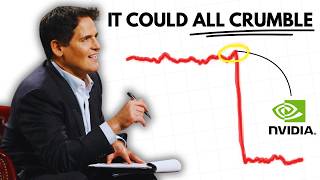
one year ago jeremy grantham predicted a massive stock market crash that would rival 1929 causing stocks to collapse by 90 percent since making his prediction the s p 500 would go on to rally 14 grantham's forecast turned out to be completely inaccurate but instead of going into hiding jeremy sat down with eric saker on bloomberg's front row to analyze his wild projection giving the world a surprising update about his opinions regarding a future super crash an opinion that is surprisingly backed by his own money and rational logic while jeremy was blatantly wrong in his original prediction he refuses to admit his forecast was incorrect despite the rally following his wild announcement this is how he started the interview jeremy a year ago you predicted an epic collapse in stock prices and you told me it would rival the 1929 crash and the dot-com bust of 2000-2001 were you wrong no i don't think so it's very apparent his opinion is that this recent market weakness is the beginning of the end and he's got some pretty interesting facts to back up his claims obviously there are dozens of investors who come out every single year and predict wild market apocalypses but jeremy's is a bit different his evidence centers around something he calls the great divergence you see during massive super bubbles indexes like the s p 500 go strong until the very end but what you will see in other parts of the market is a complete departure from this narrative he points to the russell 2000 this index is down about 15 in the last year meanwhile the s p 500 is up 15 during the same period historically during bull runs the russell should outperform the s p by 20 meaning in theory based on historical performances the russell should be up around 24 in the past year this makes sense in terms of basic logic if stocks are a measure of a business's future performance why then are 2 000 small caps on a severe downward slope while 500 large caps are exploding upwards according to jeremy this is the sign how sure is he well take a listen for yourself as he explains the certainty of his prediction at the risk of putting words in your mouth you are as certain as you were then if not more i would say clearly more i uh i did freely admit not in our conversation but elsewhere that i wasn't quite as certain about this bubble a year ago as i had been about the tech bubble of 2000 or as i had been in japan or as i had been in the housing bubble of 2007.
um i used to think then in terms of near certainties this time i felt highly likely but perhaps not nearly certain today i feel it it is just about nearly certain now but it's the next topic that really captures jeremy's analysis and makes for an interesting case we know that the hallmark of any super bubble is crazy behavior we've seen it before time and time again but grantham says that the crazy behavior is actually behind us and those two years of absurd speculation have ended and we are now in what he calls the by the dip phase this according to him is something that happens in every super bubble cycle a long buying frenzy ends and gives way to some magnificent runs that failed to live up to expectations eventually tumbling into a massive crash you can visualize this with the 1929 crash as stocks began to crumble the buying frenzy ended but soon after there was a massive rally this was the buy the dip moment if you look in detail towards the end of 1929 it looked like the stock market was going to make an epic recovery only later to fall off a clip this is what jeremy is referring to and he thinks we are in this phase in the distance is the cliff that nobody sees coming the evidence he provides makes for a great case but like everyone else predicting doom the main question is are they putting their money where their mouth is if someone who is a financial expert truly believes a mega crash is coming then they should let their clients and investors know that they should sell everything right now the bloomberg interviewer presses him on this exact topic and jeremy surprisingly responds with this shocking answer jeremy it's one thing to predict a collapse in stock prices it's another altogether to tell investors they should sell should they as i said a year ago i think i think they'll do pretty well by selling i'm sympathetic to how difficult it it is to get out entirely out of equities and i would point out as i did last year that there are less overpriced parts of the equity market around the world in fact everywhere is less overpriced than the u.s the u.s is the peak of this bubble as it was in 2000 and what it meant then is what it will mean today and that is the u.s will decline a whole lot more than the rest in fact mr grantham is short both the russell 2000 and the nasdaq he advises against shorting specific names but believes that shorting indexes is a solid strategy something you almost never hear from a man who manages money or runs a firm and while he does that that taking a massive put position is commercially difficult it's still nice to see someone who is predicting gloom actually put their money where their mouth is he's not just fear-mongering he's actually placing the bets i'm sure if you asked various experts what they believe any investor should do they would all tell you the same thing buy and hold forever and to be fair this strategy has worked great over the last century no matter the time period passive investing has always come out on top but maybe just maybe that party is ending grantham's bearish claim is actually much worse than anybody else he provides a very specific warning to those who believe that passive investing is the way out of this mess the example he uses is japan japan serves as a reminder of the worst case scenario if you were not aware back in the 80s the japanese stock market went absolutely insane peaking in 1990 before experiencing one of the worst crashes in modern financial history take a listen to jeremy explain just how long it took investors to make their money back what if i'm a long-term investor say running a pension fund or managing my own 401k which i should add i don't but what if i'm one of those people and i look at history and history tells me that over time independent or including crashes stocks deliver a handsome return and if i just stay in the market i'll get that return whether it's seven percent or eight percent or nine percent or ten percent over time you know if you could set your dial for 50 years and throw the key away that might make some sense but let me remind you that in 1929 you didn't get back in real terms until about 1954.
that's a long wait in 2000 you didn't get back for 13 years by modern standards that's a pretty long wait and in japan which is really the granddaddy of both bubbles land and stocks they are not back to their 1989 peak today that is a very very long wait so if you think you can stand it for 10 or 20 or even 30 years be my guest but history says a lot of you will not stand it a lot of you will become more conservative deep into this kind of correction that's right never a japanese investor who placed his bets in 1990 has still to this day not made his money back and you may be thinking well that's just an overseas market and it could never happen here in the united states well it can and it has just as a worst case scenario imagine you invested ten thousand dollars into the dow jones industrial index in august of 1929 and then 62 years later you cashed that money out in july of 1991.
do you know what your inflation-adjusted return would be zero zero percent markets can take decades to recover from super bubbles and we've seen this throughout history and occasionally given bad timing even passive investing won't save you from the doom whatever the case may be the evidence laid out by germany is sound given the situation in the markets today we are indeed seeing a massive divergence in the s p and the russell and we've left most of the crazy behavior behind us the spack ride ended last year the gamestop saga has cooled off and meme stocks have already plummeted well over 50 percent the market seems to be in this bizarre no-man's land where there are dozens of popular stocks that have been obliterated while many of the large caps in the s p 500 have remained relatively stable 2022 will surely be an interesting year and watching to see what happens will provide us with endless content and opportunity as always thank you guys for watching please make sure you and if you have a moment please follow me on twitter the link is in the description below


Comments 0