
저자: RaamdeoAgrawal · 외국인
요약 보기
결론: 라므데오 아그라왈은 단기적으로 조심스럽고 시장이 흔들릴 것으로 보며, 장기적으로는 인도 내수·자본재 성장과 자본시장 업종에 낙관적이다. [미국 채권금리] 미국 장기금리 상승 속도가 위험 신호이며 주식시장에 부담이다. 10년·30년물 금리가 2007년 수준(약 5%대)에 근접했고 AI 설비투자와 재정적자가 동시에 금리를 밀어올리고 있다. 금리가 5~5.2% 수준에서 안정될 수 있으나 불확실성이 크다고 봤다. [AI 산업] AI 기술 혁명은 확실하지만 주식시장은 결국 사업모델과 이익을 보므로 밸류에이션 부담이 크다. 미국 시가총액/GDP가 2.5배 수준으로 역사적 고점이다. [유가·인도 시장] 유가 110~120달러 수준이면 인도 경제와 증시에 부정적이다. 외환보유액 1400~1500억 달러 완충이 있으나 시장은 단기 횡보·변동성이 클 것으로 봤다. [투자 자세] 레버리지 투자자는 축소하고, 현금 10~30%도 방어수단이 될 수 있다고 언급했다. 불확실성은 좋은 종목을 싸게 살 기회이기도 하다. [인도 기업 실적] 1분기 실적이 강했고 기업들이 공격적이지 않다. 예상 이익 성장률 15% 이상, 현재 PER 약 21배 수준이다. 소비, 자본재, 제조업(특히 고품질 자본재·방산·에너지전환·데이터센터 관련 니치 제조)에 긍정적이다. GST 인하와 유동성 확대로 중견기업 실적이 30%대 성장한다고 봤다. [자본시장 업종] 인도 증권·자본시장 업종은 장기 10년 스토리로 유망하며 NSE 상장, 타타그룹 상장 등 대형 상장이 이어진다. SIP 월 3.2조 루피 규모가 계속 증가할 것이다. [은행] HDFC은행은 리더십 교체로 주가가 눌렸지만 펀더멘털은 견고하며 6~12개월 내 반등 가능성이 있다. 외국인 지분 매도로 주가가 낮아졌다고 봤다. [AI 역풍] 액센추어 등 서비스 기업이 AI 충격으로 크게 하락했으나 AI 구현을 담당할 것이므로 사업모델 재편 후 회복 가능성이 있다. [종목 언급] 특정 종목 추천은 없었다. 기업 전반의 낙관은 있으나 개별 종목 매수는 언급하지 않았다. [출연자 전망] 최근 1년 내 최악의 분기는 지났고 2027~2032년 평화로운 시기가 올 수 있다고 보았다.
다듬은 글
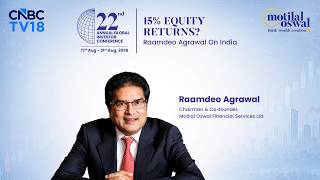
Well, thanks for tuning in to this broadcast. It's a special day, and it's a special time of the year too. I always say that some magic happens when Lord Ganpati arrives in the country. I don't know if this will usher in some good times, but to understand the mix of macro and micro, and therefore what happens to world markets and India, the best person to talk to is Mr. Raamdeo Agrawal. I'm lucky to have caught him just before he sets off on a long holiday. Mr. Agrawal, thank you so much for taking the time to speak with us today.
Yes, welcome. There are so many things I want to talk to you about, including AI, but I can't help starting with bond yields globally, the inflation fears, what the bond markets are indicating, and what the repercussions of this are for risk assets and for the actions of all the parties involved. Bonds are not my specialty, but the pace at which the bond yield is rising in the US is definitely a sign of some trouble. What it will take to quench it, I don't know. Whether Iran gets settled, or whether something has to happen, like the US adopting some austerity measures to cut its fiscal deficit. But it's not only that. Long-tenor yields, the mid-10-year and the 30-year, are going up, and that's a much deeper thing. Apart from the deficits in the world, I think there is a synchronized capex boom all over the world, where even the most profitable, highest cash-flow machines, the hyperscalers, have become the biggest borrowers, and in fact they are turning net cash-flow negative. So this is an unprecedented time, with a capex boom on the corporate side and a deficit boom on the government side coming together and putting pressure on bonds. I don't know what will happen, but this pace of rise is not normal.
Typically, we may not know the catalyst that leads to a change. It's difficult to pinpoint. But you reckon this is unsustainable and something has to give?
You cannot keep raising yields every month by 25 basis points. Bonds usually move by a point or two; it's a very stable scene that moves within a band. But it's breaking through levels every day. You are now at a level where I think it was in 2007, just before the crash. In 2000 it was about six, or something like that. You have to read the global press to see that times are different. The global economy has expanded a lot, so it can probably absorb more deficits. But it isn't giving an easy feeling, and it's definitely not good for equity markets. US equity markets are at all-time high valuations, with market cap at roughly two and a half times GDP. If you're at a level of one times or so, the impact would be slower. But if you hit high government leverage, high corporate leverage, and very high valuations, and how much leverage is embedded in the valuations themselves, who knows? That makes me uncomfortable. Let's watch how things pan out.
Got it. Right now this morning, for example, in India we are seeing AI stocks cool off a little after what Anthropic has said, and so on. But I remember our last few conversations, Mr. Agrawal, where you were not only using their AI tools very well, I would suspect, but were also fairly constructive on this whole AI conversation. If the business model is lucrative enough, can it drive the flow of capital to the countries at the forefront of AI? And much like US valuations being higher, can capital keep flowing there for the next two years?
Yes, that's what has been happening. But with AI we have to understand two things. One is the physics and innovation part, and the second is the underlying business model, how it will become profitable. In the stock market we have to be far more concerned about the business model than the innovation. Take the internet. In the '90s the internet came, but the internet itself didn't have a business model; it was just infrastructure. The world without the internet and the world with it are two different worlds. AI is almost at that level now. The biggest innovation is AI. I have no doubt it's a dramatic innovation, it's going to stay, and investment will happen over time. But when the internet came, e-commerce came, in all its forms, quick commerce, Amazon came. So you'll see business models emerging as adoption and diffusion of the technology go forward, and those new business models will be very valuable. But which ones they are, I don't know. My sense is that markets are running ahead on the physics and innovation part. The magical physics of AI is of less concern to the stock market in the end, because the stock market is about earnings, and earnings will come from the business model.
Okay. With my limited understanding, I still can't visualize where exactly the one or two trillion dollars of revenue will come from. Even today that isn't small, and Nvidia, the most successful AI chip company, isn't a trillion-dollar revenue business. So let's see where it comes from. It's difficult to predict, so we'll wait and watch. What might be easier to predict is that if oil prices stay where they are, it hurts economies by and large, including India. This morning we were talking to oil experts looking at inventories and so on, and they wouldn't be surprised by what happens next. So again, who knows, but if oil goes to 110, 115, 120, how bad is it for Indian equity markets?
It's definitely not good, in the sense that we have now created a buffer with the FCNRB deposits of $140 to $150 billion. We are on much sounder footing as an economy to pass through this crisis, but the crisis is still on the table. Until it passes, the economy is doing well on the other hand, so I think markets will remain shaky. I don't think the market will make a big move. Despite earnings growing, the economy doing well, and the monsoon passing through, with deficits of 5 to 10%, though the Mumbai dams are full, I wouldn't say there's much concern about the domestic economy. The geopolitics, Iran, the oil price, and now bond yields, that's another headache taking shape. If the global bond market sells off, I don't think we can stay here, and our yields will spike too.
That's right, and it will have its own repercussions. So the second half of the year, equity markets do have a worry on the global front because of the bond sell-off, and oil prices impact Indian markets through sentiment and the macro. Is it prudent to be cautious on markets right now?
Of course you have to be very cautious, and you should not be speculative. Uncertainty at times also gives you very good values, so this could be an opportunity to pick stocks if the market corrects. But broadly there are a whole lot of people speculating, and in speculation you have to be very careful that you are not overly leveraged, because the best way to cut your risk in the market is to be unlevered. Even further, you can go 10%, 20%, 30% in cash, and then nobody can touch you. Let the whole world burn, and you'll be fine.
Are you at 20% cash right now?
No, I've never had cash. I've never had cash, agreed. But if you had that philosophy, that you can sit on cash, you'd be happy to hold 15 to 20%. I'd say be cautious, but it's your measure of how cautious you want to be. If I'm 100 years old I'd never... so maybe I should have at least a few percent in cash to be cautious. But people who are leveraged should cut their leverage.
I hear you, sir. Between the last time crude was at 110 to 115 and now, the difference is that we've put behind us a strong first quarter, with company commentary not sounding skittish, at least so far. No alarm bells, and there's proof in the pudding. Is that an antidote for Indian markets amid crude uncertainty? Corporate India is doing well.
Yes, that's a good part of it. Corporate earnings are shaping up well, with expected growth of 15% plus. Even at $105 to $107 crude, I don't think it's disturbing, because the direct impact on the economy right now is stronger oil prices and a weaker currency. Both are interconnected, because although I have enough reserves, lower oil prices take a toll on the currency. So in this situation, unless you have a lot of conviction in what you're doing, I'd say be cautious.
Look at this bond move, which rattles me. In the last ten minutes you've mentioned the bond markets three times, sir. They are clearly worrying you.
Yes. What if the Fed, which is about to meet, does hike rates a little? That's difficult. Maybe the market is just building anticipation, and yields are rising, but they're stabilizing at higher levels, around 5%, 5.10%, 5.20%. That changes a lot of equations.
So if US markets see some pressure from higher yields, or if the AI trade reverses a little here and there, will it take all boats down? Indian equity markets, apart from oil, have another reason to worry too.
I think the economy is doing well and will come out fine. I'm sure we have all the muscle to pass through this. The forex, which was only weaker, now looks stocked for this season, it seems.
Okay, got it. A lot of people, and you've probably espoused this too, say not to look at the Nifty 50 because it's a headline index, but to look bottom-up at sectors. Manufacturing renaissance and so on. What has impressed you most in the last three to six months, as you've gone through the country and the private and public markets?
The combined effect of the GST cut, credit availability, and liquidity in the system. I'm seeing a huge upsurge in Indian businesses. Consumer companies are doing very well. They've never had it so good. I was in Hyderabad over the weekend, and the eight to ten companies I met are all saying they're surging, 30%. These are midsize companies, but they're very confident.
And are you sensing this in a particular ecosystem, like consumption, or across the board?
Consumption, capital goods, high-quality global capital goods. There's a capital goods boom, a capital spending boom, not only because of AI, which is a completely new thing, but also defense and energy transition. All of these are very capital-intensive and coming together. In India we have the GCC boom, so all kinds of construction is on. The companies supplying capital goods are doing well. With the rupee at 95, I think Indian manufacturers are really in demand for global exports. I'm meeting companies that say 70% of their business is outside India and they're flooded with orders. Of course, we meet the companies doing well, not the ones struggling, but generally business confidence looks very high.
You reckon that is the area investors could focus on as well? How beneficial it looks right now, but what barriers keep those benefits going?
That's very important. Today's optimism is one thing, but how long the optimism can continue depends on the barriers to entry into the business, whether it's scale, brand, unique technology, unique location, or resources. Those barriers decide the value of a company, not just the current earnings.
Okay. Since we're talking on a Tuesday, two or three big things have happened, and this year seems to be the year of large companies listing. NSE is coming up soon, and a Tata listing is possible too. So it's like behemoths coming to the markets.
1차 시장과 자본시장의 역할
이게 어떤 영향을 주는지 얘기해 볼까요? 비상장(프라이빗) 1차 시장이 주식시장의 자금을 빨아들이고 있다는 시각도 있고, 매달 3조 2천억 원씩 SIP 자금이 들어오고 있다는 사실도 있습니다. 1차 시장과 2차 시장이 함께 커지는 건 좋은 일이죠. 이 부분을 어떻게 보시나요?
네. 자본시장의 기본 기능은 실물 산업에 자본을 공급하는 것입니다. 그리고 이미 투자한 사람들에게 유동성을 제공하는 것이기도 하고요. 제가 2020년부터 계속 말씀드리는데, 지금은 완전히 다른 나라가 되었습니다. 개인 자금이 대거 유입되면서 그 돈이 대기업만이 아니라 작은 기업들에게도 흘러가고 있습니다. 수요가 좋으니 2차 시장이 활발하고, 1차 시장도 활발하고, 씨앗 단계까지 활발합니다. 많은 씨앗을 뿌리면 초기 사망률은 높겠지만, 10개 중 하나, 50개 중 하나는 결국 살아남습니다. 1만 개를 심는 게 아니라 100만 개를 심으면, 여러 분야에서 수많은 기업이 나오는 걸 보게 될 겁니다.
보통 성공적인 기업이 시장에 보일 만큼 자라는 데는 8~10년이 걸리니까, 지금 상장하는 기업들은 대개 8~10년 전에 시작된 회사들입니다. 앞으로 20~30년 뒤에는 어떨지 상상도 안 되는데, 그때는 새로운 이름들이 너무 많아서 시장이 어떻게 보일지 모르겠습니다.
프로모터 지분 매각과 개인 투자자 확대
그럼 1차 시장 공급이 늘어나는 건 걱정할 일이 아니라 시장의 자연스러운 흐름이라고 보시는 거죠? 인도는 구조적으로 프로모터 지분이 50%입니다. 수요가 들어오고 밸류에이션이 좋으니 프로모터들이 지분을 쉽게 팔 수 있게 되었죠. 신사업 투자나 개인적 필요, 기타 목적으로 2차 매각도 할 수 있고요. 그래서 프로모터 지분율이 2~3%포인트씩 계속 낮아질 겁니다. 앞으로 10~15년 동안 개인 투자자가 늘어나면서 일어날 구조적 변화 중 가장 큰 기회라고 생각합니다. 지금 증권계좌가 약 3억 3,500만 개인데, 6~7년 안에 5억 개 정도가 될 것 같습니다. 기존 투자자들도 더 넣을 테니, SIP가 지금 3조 2~3천억 원에서 6~7조 원까지 늘어날 수 있고, 그만큼 더 많은 종이(주식)가 필요하게 될 겁니다. 자본시장이 넓어지는 거죠. 상장하기에 이보다 좋은 시기는 없습니다.
맞습니다. 더 일찍 일어났어야 했지만 어쨌든 지금이 진짜 시작이라고 봅니다. 자본시장 섹터가 이제 무시할 수 없는 섹터가 되었습니다. 인도에는 시가총액 10조 루피(약 1,000억 달러대) 이상인 기업이 대여섯 개 있고, 은행을 빼고는 이런 산업이 많지 않습니다. NSE, BSE, HDFC 뮤추얼펀드, SBI 그로우 같은 기업들이 있죠. 이런 기업이 5~6개 있고 연 20~25%씩 성장하고 있으니, 그 자체로 하나의 산업이라고 봅니다.
NSE 상장과 자본시장 섹터의 장기 성장
농담처럼 들릴 수 있지만 진지하게 말씀드리면, NSE가 상장할 때가 무르익었다고 봐도 되겠죠? 워낙 거대한 기업이고 다들 이야기해 왔습니다. 지금은 비상장 상태로 개인 포트폴리오에 들어가 있는데, 앞으로는 뮤추얼펀드가 가져가면서 보유가 제도권으로 편입될 겁니다. 시간이 지나면 모든 지분이 국내외 기관에 하나씩 흡수될 겁니다.
특정 기업 얘기를 하라는 건 아니지만, 자본시장 섹터의 좋은 기업들은 10년짜리 긴 스토리로 보입니다. 다만 이 산업은 5년 된 산업이라서, 사람들이 파티에 막 들어온 셈입니다. 본격적인 파티는 아직 시작도 안 했습니다.
시장 전망: 채권금리, 이란 변수 이후
채권금리든 이란 이슈든 상황이 좀 밝아지면 좋은 날이 올 겁니다. 2021~2024년은 정말 좋은 시기였고, 2024~2026년은 쉬어가는 기간이었습니다. 2027~2032년 사이에는 평화롭고 좋은 시기가 있을 수 있습니다.
HDFC 은행과 은행 섹터
다른 큰 뉴스는 오늘의 HDFC 은행입니다. 특정 종목을 말씀해 주시라는 건 아니지만, 이 얘기를 꺼낸 이유는 하반기에 신용성장이 살아나서 은행들이 좋은 실적을 낼 거라는 기대가 있었기 때문입니다. 민간은행과 공공은행 모두에서 SBI와 ICICI 은행이 과거 10년과는 완전히 다른 리더로 자리 잡았습니다. 이제 HDFC 은행도 7~10일 안에 새 CEO를 맞이할 수 있는데, 은행 섹터를 어떻게 보시나요?
훌륭한 프랜차이즈입니다. 민간은행 전체가 이번 리더십 교체 때문에 타격을 받았습니다. 교체가 마무리되고 시장이 낙관적으로 보고 있으니 "소문에 사고 뉴스에 판다"는 말도 있죠. 주가는 많이 눌렸지만 프랜차이즈 자체는 여전히 온전하고 깨끗합니다. 그래서 주가만 바로잡히는 게 아니라 섹터 전체를 끌어올릴 겁니다.
알겠습니다. 그러니까 은행 섹터가 향후 6~12개월 동안 잘 나갈 수 있다고 보시는 거죠? 제가 45년 동안 이렇게 깨끗한 은행 재무제표와 이 정도 성장(기반 대비 70~80%)을 본 적이 없습니다. 그런데 왜 아직 안 움직이죠? 외국인 투자자들이 대거 팔아서 지분율이 52~53%에서 38~39% 정도까지 떨어졌다고 들었습니다. 1년 만에 14%포인트가 빠졌으니, 그 매도 물량 때문에 주가가 눌려 있었던 겁니다. 하지만 언젠가는 방향이 바뀔 거라고 보시는 거죠?
AI 관련 흐름과 IT 서비스
지난 12개월 동안 많이 얘기된 AI 반대 트레이드(AI 수혜주와 반대되는 방향의 거래)는 어떻게 보시나요? 오늘은 4~5% 올랐는데, 특별한 이유는 없고 앤트로픽 코멘트 같은 것도 있었겠죠. 모두를 헷갈리게 한 섹터라고 보시나요? 저는 이 분야를 잘 아는 사람은 아니지만 여러분보다는 조금 압니다.
아니요, 제 말은 모든 게 과하게 반응했다는 뜻입니다. 미국에서는 액센추어 주가가 움직임을 주도했습니다. 액센추어는 400달러에서 118달러까지 떨어졌다가 지금은 195달러 정도이고, 어제는 3~4% 올랐습니다. 세계가 서비스 산업에 미치는 영향을 재조정하고 있다는 뜻이죠. 그렇다고 이 기업들이 망하는 건 아닙니다. AI가 적용되려면 기업에서 실제로 구현할 사람이 필요하고, 그 역할을 하는 게 바로 이 기업들입니다. 머지않아 액센추어 같은 회사들이 새로운 비즈니스 모델을 보여줄 거라고 봅니다.
타타 그룹과 기타 이슈
정말 흥미롭네요. 타타 선즈 같은 큰 그룹도 RBI 지시 등으로 해결 국면을 맞을 수 있는데, 이게 상장 시장에 큰 영향을 주진 않더라도 어떻게 보시나요? 여기 상장하는 기업이 많을수록 좋습니다. 마이크로소프트나 엔비디아가 여기서 상장하면 더 좋겠죠. 그러면 우리 데이터센스도 드디어 상장될 테고, 우리에게도 사업 기회가 많아지고, 연구도 늘고, 타타 그룹 계열사들의 가치도 더 커질 겁니다. 주주들의 부 창출에도 도움이 되니 좋은 일이죠.
제조업 vs 소비 및 투자 교훈
알겠습니다. 람데오 씨가 지금 인도에서 가장 좋아하는 게 뭔지 궁금합니다. 제조업과 소비 중 두 바구니만 고르신다면, 100루피를 어떻게 나누시겠어요? 과거에는 인도 소비 스토리를 아주 좋게 말씀하셨죠. 그런데 방금 15~20분 동안은 제조업과 르네상스, 수출 기회 얘기를 하셨습니다.
저는 무한정 돈이 있는 게 아니라서 기회가 생기는 곳과 제 분석적 사고가 향하는 곳을 따릅니다. 틈새 제조업이 글로벌 관점에서 또 하나의 큰 기회로 떠오르고 있는 것 같습니다. 많은 글로벌 고객들이 중국산은 원하지 않고 인도 기업이 해주길 바랍니다. 이미 그렇게 한 기업들은 주문이 쏟아지고 있죠. AI 관련 분야도 마찬가지입니다. 데이터센터에 들어가는 제품이라서, 특수 케이블 기업들도 "주문을 감당할 수 없다"고 말합니다. 그만큼 글로벌하고 가격도 비싸요. 그러니 아직 충분히 탐색되지 않은 틈새에서 좋은 기업을 찾을 수 있을 겁니다.
밸류에이션과 마지막 질문
마지막 질문입니다. 좋은 복리 투자 아이디어에 시장이 굶주려 있는데, 정밀 제조, 항공우주 같은 기업들의 밸류에이션 배수가 천정부지로 올랐습니다. 어떤 기업은 30배, 31배를 반영하고 있는데, 이게 광풍인가요? 너무 인기가 많으면 합리적인 수익을 내기 어렵지 않을까요?
섹터나 기업을 하나로 묶어서 판단하지 마세요. 어떤 기업이든 80~100배로 가격이 매겨졌다면 행운을 빌 수밖에 없습니다.
죄송하지만 한 가지 더 여쭤볼게요. 투자에서 얻은 보석 같은 교훈이 하나 있는데요. 한 달쯤 뒤에 나올 2026년의 발견, 람데오 씨에게 가장 큰 깨달음은 무엇인가요? 과거에는 복리의 힘, 밸류에이션의 힘 같은 걸 알려주셨죠.
새로운 발견이라기보다 늘 머릿속에 있는 생각입니다. 무엇이 일어날지는 확실히 알아도 언제 일어날지는 모른다는 것, 그래서 인내가 필요하다는 것입니다. 주가가 싸다는 건 확실하고 결국 돌아올 겁니다. 하지만 "곧 돌아오겠지" 하고 생각하는 순간 오히려 더 떨어지기도 합니다. 그러니 확신과 인내가 있어야 합니다. 인내가 없다면 확신이라도 있어야 하고, 확신이 있으면 사야 합니다. 그렇게 내 확신과 시장의 방향을 같은 쪽에 두고 싶어 하죠. 하지만 그건 올바른 투자 방식이 아닙니다. 무엇이 일어날지는 알아도 언제 일어날지 모르니 확실성은 없습니다. 그래서 비관습적으로 게임을 이겨야 하고, 인내를 가지고 확신이 있으면 사는 겁니다. 시장이 싫어하면 오히려 더 좋습니다.
알겠습니다. 인기 없는 테마라도 확신을 가지고 큰 금액을 투자하면 그 방식으로 돈을 벌 수도 있겠네요. 람데오 씨, 바쁜 시간 내주셔서 정말 감사합니다. 그리고 시청자 여러분, 이렇게 특별하고 시의적절한 대화를 함께해 주셔서 감사합니다.




Comments 0