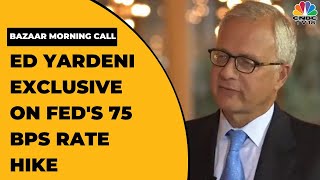
저자: EdYardeni · 외국인
요약 보기
결론: 미국 경기는 침체가 아닌 저성장(성장 둔화 국면)이 이어지고, 주식시장은 큰 변동성 속 횡보가 예상된다. 연준·긴축 전망: 잭슨홀 발언 이후 연준은 입장 변화가 없으며 긴축을 계속할 것이고, 연준도 올해 성장률 0%대, 내년 1.5% 조금 넘는 수준을 전망한다. 연준은 인플레이션 예측을 잘못했고 재정부양 효과를 뒤늦게 상쇄하기 위해 긴축을 해야 하므로 물가 안정이 최우선이다. 미국 증시: 주가는 횡보하며 변동성이 클 전망이다. 이익은 급락하지 않겠지만 정점을 찍었고, 밸류에이션 배수가 하락 압력을 받는다. 6월 16일 저점은 시험받겠지만 비관론이 이미 많아 지지될 가능성이 크다고 본다(틀릴 수 있다고 언급). 약세장(베어마켓)은 기대하지 않는다. 투자 스타일: 모멘텀 장세가 아니므로 트레이더에게는 유리하고 장기 종목 선택에는 좋지만 추세 추종은 어렵다. 인도 등 신흥국: 인도는 올해 3~4% 성장하며 안전자산 성격의 투자처로 부상하고 있다. 정치 안정과 법치가 있는 국가가 줄어들어 인도와 미국이 주요 투자처로 꼽힌다. 자본 흐름: 미국으로의 자본 유입은 최근 12개월 기준 약 1.5조 달러로 사상 최고 수준이며, 주로 채권시장에 유입되고 주식 매수는 적다. 외국인 채권 매수가 없었다면 금리는 더 높았을 것이다. 유럽·중국 리스크: 유럽은 우크라이나 사태와 에너지 위기로 겨울 심한 침체 가능성이 있고, 중국은 부동산 버블 붕괴와 제로 코로나 정책 문제가 있다. 달러·환율: 달러지수가 100 부근에서 112 수준까지 올라 신흥국 통화 압박이 크다. 인도 루피는 올해 강세 통화 중 하나지만 중앙은행이 달러를 많이 매도해 방어 중이다. 강한 달러와 상품가격 하락으로 원자재 수출 신흥국은 부채 상환 부담과 구조조정 압박을 받고 있다. 리스크: 강한 달러와 긴축 통화정책으로 신흥시장 전반이 스트레스를 받고 있다.
다듬은 글
ediardini is president of the yardini research he is joining us now for uh some commentary and some perspective Ed great to have you back on the program thank you very much you know uh the Jackson Hole left very little doubt in terms of what the FED wanted to do and uh you know the Fed chair emphasized that nothing has changed for them since Jackson Hole in those many words pretty much uh what does the market do from here uh Global Market but you know Global markets are also doing very diff things very differently right I mean the U.S is sinking the U the Indian market for example is just a few percentage points away from all-time highs so how does one read what's going on well I think in the U.S there's uh continued concerns that tighter monetary policy will cause a recession I think there's a tremendous amount of liquidity still left over from the pandemic so I'm not expecting an outright recession I think what we're going to have is more of the same let's call it a growth recession or a rolling recession that has different sectors different Industries at different times even in housing today we see that single-family housing starts are down but multi-family housing starts are up we know that the consumer continues to to spend though at a very slow pace they'd like to buy more cars but the Auto industry is in a recession mostly because they can't get the parts that they need so there's all this kind of mixed uh movements in the economy that I think adds up to virtually no growth and by the way the feds uh summary of economic projections is in that camp they also believe that the economic growth is going to be close to zero this year and next years will be like a little bit over one and a half percent and so I think for the stock market it means the market moves sideways with a lot of volatility because I don't think earnings are going to take a dive but they certainly have peaked I think they're going to go sideways for a while and then I think the volatility is from the valuation multiple and uh good morning you know we we had a bit of a summer rally right in the in the US as well after the after the decline uh and the Assumption was that at some point in 2023 the FED will turn uh but the the problem right now is we don't know the the final rate from where it will turn I mean and it keeps it keeps getting pushed right so uh do you think that that will that will keep the uncertainty and that will mean that perhaps not only the markets at new lows for the year but even go lower than that well I think that the uh 366 low that was made on uh June 16th uh will be tested and I think it it will hold because I I think that the earnings picture is not going to fall apart and I think the valuation multiple certainly can go back down and uh as a result we test that low but you know we had a tremendous amount of pessimism at that low I think a lot of people who were inclined to panic have already panicked that might be wrong about that there may be a whole another wave of panickers that'll take us to a new low but sentiment was just so horrible back on June 16th that I have to believe that most of the selling has been sort of flushed out of the market and they were more likely to see a sideways movement and that that low will hold could be wrong on that obviously but I think that we're looking at uh of awful Market moving sideways and which suggests that it'll be are good for Traders it'll be good for for long-term stock picking but it's not a momentum Market that's for sure okay it's not a momentum Market but uh I think what stayed with me is your comment that the stock markets could move sideways but with some volatility right so you're not expecting a bear Market or anything what does that mean for a market like India we've been doing exceptionally well it's a three four percent growth that we've seen this year uh do you think that is something that can continue the out performance of Emerging Markets versus developed well we've discussed this before uh the idea that uh the uh Global Investors when they're looking around they don't seem to have as many opportunities uh they're fewer safe havens for sure and I think the United States is one of the safe havens and I've been monitoring monthly Capital inflows into the U.S and over the past 12 months through July they are basically at a record high of 1.5 trillion dollars tremendous amount of coming money coming into the United States a lot of that's been going into the bond market I I can't imagine how much higher bond yields would be if it wasn't for foreigners buying our bonds they have not been buying our stocks now India I think it's turning out to be another Safe Haven when people look around the world for where are there opportunities to invest in a market with some political stability with some rule of law they're getting to be few fewer countries that fill those kind of requirements India certainly is there uh Europe has the rule of law it's got political stability at least domestically but the international situation the face for the Ukraine situation is terrible and their energy crisis could very well push them into a very severe recession uh this uh this coming winter China's got uh all sorts of problems with its property bubble uh bursting and uh with their zero covet policy so again Global Investors don't have that many places to go and India from an Emerging Market standpoint certainly is one and U.S from a developed economy standpoint there's another oh yeah I mean uh you know returns in 2012 at least last year 2021 2020 uh U.S and India were right on top even in dollar terms in terms of returns almost matching uh Point by point and uh you know just on the on the floor side I mean the dollar Index is now uh knocking at 100 almost 112.
that's an important channel for floors into Emerging Markets I mean you want dollar low not higher uh do you do you think I will put uh pressure on currencies even the stronger ones like the rupee by the rupee is one of the strongest currency so far this year uh but the fact is that the central bank here has spent a lot of dollars to keep it that way uh yeah is is that a worry at the margin at all what's your sense well I think it always is a worry when you have these uh big significant moves and the strength in the dollar is extraordinary uh but it's not uh surprising given uh the uh situation in Europe facing an energy crisis uh with uh China having its its issues uh and because of that strong downlight we're now seeing something that wasn't occurring for a while but and that is for a while there we had strong commodity prices and a strengthening dollar that's not happening anymore now we've got a strong dollar and we think about it the prices and for a lot of a commodity producing emerging economies uh that's uh clearly bad news and some of them have a lot of debts to China that now suddenly they can't meet and are trying to restructure those debts so generally speaking Emerging Markets are under stress as a result of the strong dollar and as a result of uh tight monetary policy of the Fed uh finally before we let you go Ed is there anything in the commentary of the FED in the speech that makes you incrementally bearish on risky assets like equities or is it just more of the same yeah well you know the FED does not have a great track record of being accurate and and forecasting the economy especially since the pandemic I think very few people have really been able to assess where the economy is going uh now since the pandemic so it's a very difficult environment to try to forecast and I think the Federal Reserve has just come to realize since the beginning of the year that they completely got inflation wrong and that they have to catch up that they've been behind the inflation curve and I think they forgot the fact that we had tremendous fiscal stimulus and uh now they're being forced to offset that fiscal stimulus with monetary tightening and for the sake of their credibility they have really no choice but to state that that's their number one priority so no I I don't think there are any real surprises except as you've folks pointed out in the summary of economic projections it turned out to be more hawkish than the markets were anticipating and I think the markets scrambled in the afternoon to kind of catch up with what they were reading in that summary of economic projections okay Eddie ardeny thanks a lot for joining in and making sense of all the commentary that came in from the U.S fed uh pleasure speaking with you so that's the opinion coming through he expects the stock markets to move sideways with volatility but no outright recession in the U.S and the June lows perhaps will be held in the US let's see


Comments 0