저자: PeterSchiff · 외국인
요약 보기
2016년 1월 경기 하강과 연준 금리인상 취약성을 강조한 영상. 소매판매 약세는 날씨 핑계가 아니라 소비 여력 부족 때문이라고 주장. 경기 판단: 미국 경제는 실질 기준으로 계속 위축 중이며, 생산적 경제가 아니라 신용에 의존해 왔다고 진단. 실직 후 저임금 시간제 일자리로 옮겨간 소비자가 재량지출(의류 등)을 줄이면서 오프라인 유통 부진이 나타난다고 설명. 온라인 쇼핑: 10월 온라인 지출이 전년 대비 7.1% 늘었다는 데이터에 대해, 온라인 비중이 여전히 작아 오프라인 감소분을 메우지 못한다고 반박. 금리인상: 연준이 7년간 제로금리를 유지한 것 자체가 시장이 높은 금리를 감당하지 못한다는 신호라고 주장. 부채 부담이 매우 커 소폭 인상도 경기를 무너뜨릴 수 있다고 전망. 그림자금리(Shadow rate): 연준은 테이퍼링·선제안내(forward guidance)만으로 이미 약 2년간 긴축 효과를 냈다고 주장. 달러 강세와 모기지 금리 상승이 그 근거라고 제시. 연준 전망: 12월 인상 가능성은 낮다고 보며, 인상하더라도 이후 금리 경로에 대해 신중한 문구로 충격을 줄이려 할 것이라 예상. 0.25%p 인상에도 조심해야 할 만큼 경제가 취약하다고 진단. 종목/자산 언급: 특정 개별 종목 매매 언급은 없음. 금리·달러 방향에 대한 비관적 관점 위주.
다듬은 글
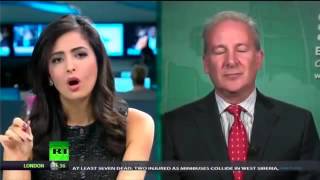
okay to discuss the US economy Peter shiff is on the show Peter is the CEO of Euros Pacific Capital also the host of The Peter shift show Peter recently wrote about weak retail sales data and he said that the weather would likely be used as an excuse so I first asked him why the weather argument is so often used as a crutch to explain weakness in the economy and here's what he had to say no it's about excuses first they said oh people aren't shopping because it's too cold now saying it's because it's too warm I mean it has to be just right what is the ideal shopping weather you know I I this this is all a way to rationalize the fact that the consumer doesn't have the means to shop because he doesn't have the income he doesn't have the savings he's just can't afford to buy stuff this is what is going on and this is going to continue despite all the rationalization and all the excuses the the US economy is continue to experience a contraction you know in the in real terms because we are not a a productive economy anymore and we're still living off of credit but once you have you know too much debt you can't keep on spending money and then when you've lost your full-time job and all you've got to replace it is a lower paying part-time job you've got to cut back on all the extras you know and you don't need new clothes you know you can get by without you know without buying apparel and that's why you're seeing it in these types of uh you know stores this is the a discretionary spending that is going away yeah but just on your comment about you know people spending because they're broke I mean a lot of people would challenge that and say they are spending just not in the traditional places not in the big box department stores because recent data did show that the amount of Shoppers uh uh spent the amount that Shoppers spent online in October continued to rise 7.1% higher than October of last year so is the story here really more about changing consumer habits not really because the percentage of shopping that takes place online is still relatively small and so even though you're seeing bigger increases there it's not making up for the difference you know the the the Brick and Mortar retailers are losing a lot more than the online retailers are gaining so the net effect is that you're you're you're seeing a reduction okay I want to go back Circle back to uh talking about the Fed rate hike um because in a in a commentary piece on your blog you say the markets won't be able to handle a rate hike how do you know that to be the case when we haven't even seen that happen yet well that's one of the reasons the FED has been so reluctant to raise rates I mean why do you think they've been at zero for seven years if the FED thought the markets could handle higher rates it would have delivered higher rates years ago uh it certainly would have been appropriate to have done that so I think the FED is is cognizant of this risk but also if you look at the enormity of the debt that we we have the only reason that we can afford it is because rates are at zero and so any increase in interest rates will increase the burden of servicing that debt and the economy is already slow this has been the weakest recovery in history despite 0% interest rates so imagine what would happen to this weak recovery if it had to contend with rates that were higher than zero yeah exactly and I think what you're referring to I haven't heard you say it is the shadow rate which you explore in this piece talk to me about uh that a little bit more where did this notion of a shadow rate come from how is it determined yeah people don't realize that the Federal Reserve began tightening a long time ago right first they started talking about tapering and then they actually tapered right and then they actually tapered to zero and then they began talking about raising interest rates so taking away the quantitative easing and their forward guidance comment that was an effective tightening and if you look at what happened to monetary conditions as a result of this prior fed action and the prior fed rhetoric this Shadow rate has moved up rather significantly and so I think the Federal Reserve has already been tightening for close to two years despite the fact that the official rate is still at zero and you have a lot of people talking about how well you know we don't have to worry about the effects of higher interest rates because the market doesn't normally turn down until 12 month months to 24 months after the First Rate hike and the economy doesn't usually go back into recession uh there's some kind of a lag but if you actually realize that the FED has been tightening for 18 19 months by the time they actually get around to raising rates if they actually do it in December uh the markets and the economy are very vulnerable based on historic precedent to that move because it's not the beginning it's it's it's 19 months into the tightening cycle yeah now I want to be clear about what you're talking about here this the forward guidance that we're getting um from the FED which you say plays a huge role are you saying that the FED overtly talking about tightening or losing has in some ways done more damage than actually doing it well well not damage isn't the word but it tightens monitary conditions I mean look at how much the dollar has gone up based on the talk of higher us interest rates rates haven't gone up at all yet the dollar has had a huge rise because of the fed's commitment to actually raise rates so has an effective tightening also you can look at the the markets the the the money markets that price in the probability of a rate hike mortgage rates have already backed up now based on the fact that the FED is talking about raising interest rates so the FED has affected the rate curve simply with its rhetoric without actually having to do anything so the market has been tightening conditions now conditions are not tight historically they're still loose but they're not as Loose as they used to be and it's the change that's important especially when you have an econom so deeply indebted as ours there is no precedent in American history for having so much debt so yes interest rates have never been this low but the debt overhang has never been this huge and I believe even a small increase in interest rates will be enough uh to collapse the economy because we can't even service our debt at a higher rate of interest let alone ever pay it off yeah and and you sort of just answered my next question which is you know first of all under that logic what happens when a r a rate hike does come into play and does it make a difference how small that hike is well I mean I think the FED is going to try to backtrack uh just like it did when it initially uh tapered it started talking about a considerable period and uh you know before we raise rates and so I think they're going to have similar language if they end up raising rates in December and I still think it's uh more likely that they won't but if they do I think they're going to try to take the sting out of it as best they can by talking about how long they're going to wait before they do it again how it's going to be a considerable period or whatever they're going to say they're going to be monitoring the economy uh they're going to be very careful which in and of itself is an admission of the fragility of this economy if raising rates by a quarter of a point gives them so much concern that they have to stop back and assess the damage and make sure that the economy can withstand it before they raise him another quarter of a point




Comments 0