
저자: BillAckman · 외국인
요약 보기
결론: 이 영상은 종목 가격 방향 예측이 거의 없고, 장기 투자 철학과 2008년 Wachovia 사례를 설명하는 교육 콘텐츠다. 투자 체크리스트 및 철학: 높은 품질의 사업을 선호하며, 예측 가능하고 단순한 잉여현금흐름(FCF)을 창출하는 독점적 해자(moat)가 있는 기업을 중시한다. 가치 판단 원칙: 금융자산 가치는 평생 창출할 현금의 현재가치이므로, 현금흐름 예측 가능성이 가장 중요한 기준이다. 저평가 접근: 가격과 내재가치 사이에 큰 괴리(예: 1달러 가치를 50센트에 매수 가능)가 있으면 왜 할인되어 거래되는지 분석하고, 그 괴리를 좁힐 수 있는 레버(경영 개입 등)가 있는지 검토한다. 리서치 기간: 투자 아이디어 검토는 경우에 따라 수 시간에서 수개월까지 걸린다. 사례(Wachovia, 2008): 시티그룹이 Wachovia 은행 자회사를 주당 2달러 상당에 인수한다는 뉴스 후 10-K를 분석해, 지주회사가 현금 및 세금환급 등으로 주당 11~14달러 가치가 있다고 판단하고 주가 1.84달러대에서 매수했다. 이후 웰스파고가 인수 제안을 내며 거래가 성사되었다. 리스크/조건: 개별 기업 분석 중심이며 대상 자산(삼성전자, 엔비디아, 금, 비트코인 등) 관련 가격 전망 발언은 없다. 출연자 전망: 특정 시점의 가격 목표나 방향성 예측은 제시되지 않았다.
다듬은 글
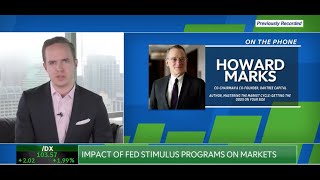
go through that strategy and go through how it works and when you come you know maybe you'll override that portfolio manager or not but what's the checklist you kind of go through so we look for very high quality businesses what we describe as simple predictable free cash flow of generative dominant businesses a business that Warren Buffett would describe as having a moat around it right if you if you believe that the value of anything financial is the present value the cash you can take out of it over its life you need to know how much cash is gonna generate over its life so the business quality to us is the single most important criterion for determining what's interesting because if we can't predict the cash flows we don't know it's worth we don't know it's worth we can invest and we figure out what it's worth figure how good the business is how predictable will this cash flows be from a railroad or a spirits company or a real estate company shopping mall business and then we say okay well where's the trading and if there's a wide gap between price and value you can buy for 50 cents it's worth $1 20 well then we're gonna take a hard look and try to understand why it trades at a deep discount and once we understand the reasons we decide well these things that we can solve you know where can we in light of the situation the circumstances can we be influential and changing these these levers that can cause this valuation discrepancy to narrow and is this a business that while we're causing the valuation discrepancy to narrow we can also perhaps contribute to the valuation growing and those things are truly found something that looks quite interesting for us and usually this investment philosophy does it take a week a month three months to do the research a year I mean you have ten names what how long it depends I mean one of the best investments we've remained it took us four hours to do the work I was during the financial crisis which was that Wachovia corporation so I was on my blackberry eating breakfast the Brooklyn diner in front of my building and there was story went across the I was just you know Wall Street Journal headline our Broder's headline excuse me went across saying that Citigroup to acquire the Wachovia banking subsidiaries for two dollars in Citigroup stock stock was halted this was kind of an interesting transaction because they were buying the subsidiaries for citi groups I figured that's interesting what happens to the holding company so I went back to the you know kind of went upstairs to the office and you know cracked open the 10k and another member of the team Mick Maguire he and I worked on it and what was interesting is the thousand page 10k at Wachovia corporation I think nine hundred pages were on the banking subsidiary there's fewer than a hundred pages on the holding company by buying the banking subsidiary city was leaving a holding company which had cash you know in Wachovia Securities AG Edwards they had paid six seven billion four to six months before evergreen asset management and they were taking a twenty seven billion dollar loss on the sale of the subsidiary and it also had a liability called non-cumulative perpetual preferred stock which of everyone have a liability in your life this is the single greatest liability to have it's a it's a form of equity where you never have to pay a dividend and when you don't pay them they don't accumulate and the worst case is they get a couple directors in the board and you say hi to them each meaning and you have this very interesting I said but this could be the are Berkshire Hathaway and the end of the day we figured the asset you know in four hours when we determine the holding company was worth at least eleven to fourteen dollars cash a tax refund that you could carry back the twenty seven billion dollar loss recover cash taxes have been paid you have this cash vehicle you don't walk oviya securities which is a you know good wealth management business you don't AG Edwards another interest in asset you these are businesses you know well and the stock opened after it was halted at a dollar eighty four so he said look it's worth a you know eleven to fourteen a dollar eighty four we bought forty two percent of the volume for the next four days and then it was acquired by and wells came in and put in the topping bid of seven dollars in Wells Fargo stock which wasn't actually a topping bid but the Wells Fargo deal did not require government assistance so I think Sheila Bair laps I remember that I interviewed Sheila Bair circle a show




Comments 0