
저자: HowardMarks · 외국인
요약 보기
사모신용 시장은 아직 성장 여지가 크지만, 장기 호황에 따른 부실 검증이 아직 없었으므로 향후 경기침체 시 디폴트와 구조조정이 늘고 회수율이 낮아질 수 있다는 경고. 시장 규모: 정확한 수치는 제시하지 않음. 저금리와 느슨한 구조의 자금 공급 여력이 있고 투자자들도 수익률을 위해 계속 투자할 것이라 시장은 더 커질 수 있다고 봄. 투자자 배분: 기관투자자는 대부분 이미 일정 비중을 배분했을 것이며 앞으로 확대할 수 있으나, 8~9년 동안 성장한 자산군이라 아직 투자하지 않은 사람은 드물다고 봄. 리스크: 고수익채권 디폴트율이 약 10년간 평균 이하였던 만큼, 경기침체와 디폴트 급증이 언젠가 올 것으로 예상. 충격으로 자산가격이 하락하고, 대규모 구조조정이 뒤따르며, 부실 대출 중 일부는 회수율이 매우 낮을 것이라 함. 느슨한 covenant(covenant-lite): 기술적 디폴트를 막아 디폴트 시점을 뒤로 미룰 뿐이며, 신용시장이 얼어붙을 때 자금 조달이 막히면 그때 검증이 이뤄져 디폴트가 더 나빠질 수 있다고 봄. 운용사 실적: 호황기 성과는 미래 불황기 성과를 보장하지 않음. 성공의 요소는 공격성, 타이밍, 실력이며, 지난 11년은 공격성이 통하는 시기였으나 실력 없는 공격성은 시험이 올 때 드러난다고 경고. 종목·자산 가격 방향에 대한 직접 예측은 없음.
다듬은 글
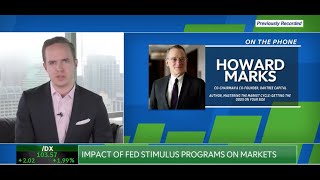
pdi america's editor andrew headland met with industry luminary howard marks of oak tree capital at the pdi new york forum the two of them discussed how an industry downturn may leave some managers exposed nonetheless marxist of the opinion that the industry still has plenty of room for growth we have howard marks of oak tree capital with us thank you so much for joining us um got just a couple questions about the private credit asset class the first is what do you see as the market size for private debt and is it nearing its capacity or do we still have a lot of room to grow i don't really have a number for the size um whether it's at capacity look i think that uh if you offer companies money uh with low interest rates and and uh structures that not that don't constrict them they'll take it uh so from the uh supply of uh debt side i think there's way to go uh at the same time i think that uh investors uh need the returns that private debt can uh provide and so i think that they will still be taking it up so you know if those two assumptions are right then i think that the size of the market can grow further you mentioned investors needing the returns that private debt can offer do you think a lot of the u.s investors that geography specifically do you think a lot of the u.s investors have come into the asset class um or do you think there's still more to be had i would imagine that most institutional investors already have some allocation to private debt they may expand it in the future but uh you know i think that the the asset class has been in existence and expanding strongly for eight or nine years now and so uh i would be surprised if there's anybody out there who hasn't heard of it and and and and made some investment and what are the biggest obstacles that the asset class faces in the years ahead and how do you think it'll overcome those well one of these days believe it or not we're going to have a recession and you know defaults on high-yield bonds have been running below average for almost 10 years now one of these days we're going to have a pickup in bonda falls and that will impact the private debt market as well and so number one given how long it's been since we had a spate of defaults that may come as a shock to people shocks have the effect of of lowering asset prices you know number one number two uh there'll at that point they'll have to be a large number of restructurings so then the restructuring community will get busy and the the dead investors will have to participate in the process uh and then third uh on some of them some of the debt the recoveries will not be very high and those will be the the the cases where the lender made a bad decision took too much risk of principal loss in exchange for too little uh coupon and um you know uh warren buffett always puts it best and back around oh earlier nine he said it's only when the tide goes out that we find out who's been swimming naked it's only in tough times that we find out who's been making bad investment decisions and we've had good times for 10 years so there hasn't been any testing bottom line is there will be testing obviously some of the testing might come along as a result of the very loose terms and covenants and whatnot in today's deals do you think the covenant like covenant light deals of today are tomorrow's distressed opportunities well the lack of covenants will not make them distressed what the lack of covenants does is that it obviates technical defaults and pushes defaults off until later if there if you can't if you don't have covenants then you can only have a money default so if if when if the next time the the credit market slams shut as opposed to being wide open as it is today if if at that point in time your company needs money to service its debt maybe to roll it over and it's not uh available then that's when the testing will come but you know uh right now the covenants are reducing the number of defaults pushing them out into the future uh if if if the if the future that they've been pushed to coincides with a credit crunch then uh we'll see more defaults and maybe because they've been pushed off so long for money losing companies the defaults will be worse uh the recoveries will be worse than they otherwise would have been we've been in as you said good times for um a decade or so now and uh that means a lot of the people who have entered private credit on the manager side have only lent in good time so does a track record during good times is that indicative of how you might perform in bad times no absolutely not absolutely not one of the things that i say in my book mastering the market cycle is that there are three ingredients in success aggressiveness timing and skill and if you have enough aggressiveness at the right time you don't need that much skill well the the last 11 years have been the right time for aggressiveness so if you applied aggressiveness in the last 11 years you probably have a superior investment record today but if if if you applied aggressiveness and didn't have skill you'll look bad today but it's not going to help you uh when we when we run into a time of testing thank you so much howard pleasure to have you join us this morning great to be here andrew thank you


Comments 0