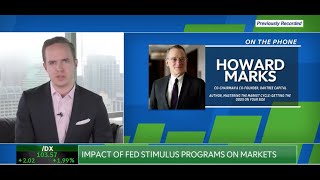
저자: HowardMarks · 외국인
요약 보기
결론: 시장 방향은 아무도 모르므로 하락 시 분할 매수하되 현금을 다 쓰지 말라는 신중한 입장이다. 투자 태도: 가격이 떨어질수록 더 매력적으로 보이지만 기업의 펀더멘털과 6개월~1년 생존 능력을 반드시 확인해야 한다. 오크트리는 공개시장 대신 적격투자자 대상으로 운용하며, 할인된 가격에 분할 매수하고 추가 하락 시 더 산다. 경기 전망: 바이러스가 6개월 안에 진정될 가능성이 높아 보이지만, 경제는 빠르게 회복되지 않고 사람들의 소비·여행·외식 재개는 업종별로 다른 속도로 천천히 돌아올 것으로 봤다. 신용시장·부실 투자: 오크트리의 주요 사업 중 하나는 부실(distress) 채권 투자로, 파산 기업의 채권을 싸게 사서 수익을 낸다. 항공사·크루즈·셰일 기업 등 타격이 큰 업종에 대해 구체적 종목은 언급하지 않았다. 정부 구제금융: 구제금융을 받아도 주주는 손실을 볼 수 있으며, 구제 = 주주 수익이라는 등식은 위험하다. 글로벌 금융위기 때도 구제 후 주주가 이익을 본 사례는 드물다. 거시 리스크: 과도한 재정·통화 부양이 나중에 과열과 인플레이션을 부를 수 있으나 가능성을 단정할 수 없다. 공급 충격(1970년대 아랍 석유금수 사례)도 인플레이션 요인이 될 수 있다. 출연자 전망 요약: 단기 방향은 중립적이며 공격적 베팅보다 가격 하락 시 점진적 매수와 리스크 관리를 강조.
다듬은 글
but at the end of the day nobody knows is the way Howard Marks has described this market of course he's joining us on the phone he is the co-chairman at oaktree capital Howard great to have you back on the program so many folks are trying to figure this thing out you wrote a note earlier in the month saying and you called it nobody knows your follow-up no is called nobody knows part two and in the original one in March you said maybe start to nibble but don't go and spend all your cash because this market could keep dropping it indeed has so tell me how you feel right now after an additional 20% lower from that first note well the only rational approach is to like them more when they go down in price no my wife said I don't amount of wife that they like they like at 4000 they say they're either buyers and 3,500 and then 3,000 they'll say they'll buy a little know they're done and she says well what are they not you've got a like more as they decline in price and you know you still have to do your homework you still have to understand the company you're investing in and and the security you're investing in them and their ability to survive a difficult environment of six months or one year whatever comes be but all things being equal you have to like them more so you know you're buying no we don't operate in the stock market they're accredited investors so most of what you buy is death but you know if we find a company that we think is viable for long run it so we the discounts will go in hopefully at the senior level and if it goes lower we buy more the mere fact that you buy doesn't mean we don't think it's not going lower because that's one of the things that it's impossible to have an opinion on especially in times of chaos Howard today we saw equities stabilize a tad but investment-grade bonds hile bonds were still lower the question you're wondering is even if this virus is short-lived and it appears from the notes you do think our pain here will be somewhat contained in a you know and a period and instead of just coming off a cliff for the economy but if we broke things on the way down we're flips switched were things set off when crew drop the way it did or the speed of the market drop the way it did even if the virus goes away tomorrow is they're still going to be blowback specifically in your area of credit well I think that's exactly the right question to ask and yes the look I haven't read anything that says that the disease won't be gone by six months from now whether it's a vaccine or the warm weather or the success of science the social isolation most people think it will be gone but still having jammed up the economy and brought it largely to a halt it's not going to bounce back and it'll take while awhile till for people to rebuild they're willing to suspend rebuild their financial ability to spend return to the habit of socializing taking trips on playing staying in hotels staying in on cruise ships you know these things are going to come back slowly and different of them will come back at different speeds so I don't think I don't think that the that the economy bounces back if we talk to you about you know millions of people losing jobs are those areas Howard that you're interested in taking the other side of the trade right now and buying on some of these severe dips we're looking at credit default swaps that suggests maybe bankruptcy is in order for some of these airlines or Cruise Lines in companies it seems is a given now for shale companies or these areas the ones that have gone hit the most ones the oak tree is interested in taking the other side on and betting for an eventual comeback well you know certainly not indiscriminate but on the other hand you know and and by the way they do say in the TV ads don't try this at home but right off one of our main businesses is investing in so-called distress that we believe that the world's largest investor in bankruptcies so you know historically we have invested in the debt of companies that are bankrupt for or predicted to go bankrupt and if you you know if you buy a creditor position in a company with long lasting asset at a reasonable price you can make good money most people are understand how making money can square with bankruptcy but it can and that's what we do so no no we don't we don't do these are things because they're having tough times it's possible to overcome the tough times with a good enough deal Howard yeah I know you don't want to give away the secret sauce or exactly what you guys are picking up are you able to give me an idea where you do want to express some faith in these industries do you think the cruise lines are going belly-up is it a trade you have to stay away from I mean 60 70 percent drops in some of these are you guys you know salivating at the chops to pick up some of these deals or or they really at risk well I I you know what I don't I don't really want to talk about individual companies or industries but merely to say you see I I am largely what you call a behavioral investor I think a great deal of psychology and in general I would say that there are very few assets where the fundamentals can get so bad that they're not a buy at some price now by for somebody in a buy for Oakley you know remember we're debt buyer so it's possible for companies to go bankrupt and and and maybe maybe a cruise line would be an example it's possible for them to go bankrupt but for them to pay something on the day and when companies go through bankruptcy in general the best way to understand that is that the overall the old owners lose the company and the old trenders become the new owners so certainly if a company is a bankruptcy prone it's hard to safely by the equity you know let me just say and answer your question that what we look for more than anything and what your what your listeners should listen for more than anything if it's hard for the amateurs you know we want to find situations where even though the fundamentals are poor the mycology is too negative that's really the sum and substance of the approach I like this to bring in psychology Howard will it change the psychology of an investor if the companies do get bailed out but now I have certain requirements we've heard talk about say an airline gets bailed out by the government or get some assistance that they're not allowed to do buybacks they should be wary of shareholder-friendly activity would you want to be a part of a credit in a company that has restrictions on them well you know I don't look I don't think that is that intelligent people in the government are going to put restrictions on companies from making money companies can only be liable if they make money now maybe the government bails them out and says okay but from now on we own 20% so so you have a partner but you know I don't think the government's going to say to an airline for example you have you can operate we bailed you out it you can operate but you have to be you know or not-for-profit so I think that the profit profitability we'll return and I think these are industries where that we need for the future of our country I would caution one thing if your listeners start to think that they're going to be smart and find an industry that that's going to get bailed out and they're going to buy the stocks and make a lot of money in my opinion it makes the most sense that in the industries where the government bails about the shareholders lose their investment you know the experience from the global financial crisis in which in which governments bailed out companies and and shareholders profited are few and far between so you look at me 900 industry you might say the oil industry was bailed out by the government but it went through bankruptcy and GM and for GM and Chrysler their investors lost their dough so I would say I would think it's dangerous for the listener to think that bailout is synonymous with profitability for shareholders yeah I think it's a really good reminders we see a lot of extreme circumstances here Howard I want to get your macro take and I only got about five minutes left here but I really want to know what you think from someone who has studied cycles you wrote a book on this you give speeches on this you talk to aspiring investors who look up to your ability to recognize cycles over the last decade it seems that the Fed and central banks have done an okay job compressing our cycle but now Howard we're walking into what is expected to be a big economic chasm not a cliff a chasm and on our way there we're building a fiscal ladder to get us to the other side and we're like strapping on this jet pack of monetary policy have you thought about what the risks might be on the other side if we've overestimated the degree of the severity in the economy and its long-lasting effects what happens if we get to the other side and we're on fire from all of this stimulus well you know that's that is a possibility nobody can say if it's going to happen or not what the probability is obviously the solution you're leaving me to is one of over stimulation overheating and and inflation so you know for the last ten or fifteen years there hasn't been much inflation many countries in the world have wanted inflation as most people want to target two percent and they haven't been able to get it going inflation is very mysterious but you know most people accept that over stimulation of an economy can cause it to oversee overheat and result in in inflation and the other thing to bear in mind is that we we are likely to experience what's called the supply shock which is a trial worth of the economy from inadequate availability of products and the supply shock has the ability to produce inflation you know I was there at the beginning of the seventies and we had the Arab oil embargo and that was certainly one of the factors that contributed to the hyperinflation that we experienced in the seventies the u.s.
inflation is running 16% as I recall or that something in that vicinity so you know if it's a possibility nobody can tell you it's going to happen it may be one of the things you think about but of course the the frustrating part of the macro is that we can think a lots of possibilities many of them have low probability of happening some of the ones with low probabilities happening have serious consequences but we can't predict against all of them and that's what makes this a challenging business Howard I want to continue the conversation but we're short on time I know appreciate you joining us and making time and obviously a big joke trend markets here looking forward to more thanks a lot Howard Thank You ppreciate thank you Howard Marks co-chairman at oak tree capital you


Comments 0