저자: RayDalio · 외국인
요약 보기
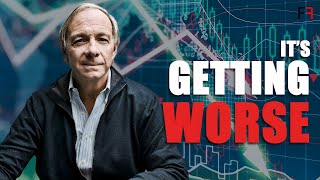
레이 달리오는 현재 경기가 장기 부채 사이클의 후반부에 있으며 경기침체는 나타나지만 과거보다 덜 심할 것으로 본다. 거시 환경: 2020년 코로나와 재분배 정책으로 정부가 대규모 지출을 했고 연준이 이를 대출해 통화 불균형이 생겼다. 실질금리가 -1.75%에서 +1.75%로 올라 긴축 국면이며, 현금 수익률이 주식·채권과 비교해 매력적이 되었다. 자산 영향: 금리 상승으로 장기 듀레이션 성장주, 기술주, 사모펀드, 벤처캐피털, 부동산(상업용)이 하락 압력을 받는다. 주택 부문은 하락하더라도 가계 재무 상태는 과거보다 양호하다. 임금 상승 부문은 혜택을 본다. 경기 전망: 인플레이션은 낮아질 것이며 성장률은 약 1% 수준의 스태그플레이션 성격이 예상된다. 과거 단기 사이클 평균은 6~7년(±3년)이다. 재정·부채: 미국 정부 지출이 소득을 초과하는 구조적 문제가 있고, 미국 국채 매도 수요가 약해지는 지정학적·재정적 리스크가 있다. 부(wealth) 지표가 GDP보다 더 나은 지표라고 본다. 주식 전망: 금리 상승 영향은 이미 대부분 가격에 반영되었다. 향후 긴축 통화정책은 주식시장에 순부정적이지만 큰 약세장을 암시할 정도는 아니다. 시장 전체는 대체로 적정가에 가까우나 여전히 다소 고평가 상태로 본다. 투자 제언: 생산성을 높이는 교육·인프라 투자가 바람직하다고 언급했다.
다듬은 글
foreign is that there's more spending and I would say there probably needs to be more spending than we have income and that's a problem the question is and they're going to spend more than they're going to earn where are you going to get the money from Ray dalio who founded Bridgewater Associates in 1975 and grew it into the largest hedge fund in the world is widely regarded as the most well-known macroeconomic investor in the world nonetheless the investment Community takes notice when Ray dalio speaks and just recently Ray gave us an update on where he thinks the economy is right now where we are in these short and long-term debt cycles and where he thinks markets are headed over the next few years in an exclusive 25-minute interview on CNBC with inflation at record highs interest rates on the rise economic growth slowing and stock prices plunging it's important to get raises take on where we are in the business cycle hello and welcome back at Financial Fortune where we bring you the latest insights and analysis on the economy and financial markets these things happen over and over again we're now in the 12th and a half cycle you know these Cycles you know how the Cycles work your 12 and a half Cycles since 1945 1945 was the New World Order you know new monetary system and you know what happens so let me take you through it quickly you provide you get a funky economy weakness and so on so what we had of course in 2020 with a combination of covid and then also the move from the right to the left it was a distribution of wealth and so how did you do that government had to send out a bunch of checks and the Federal Reserve where'd the government get the money from the Federal Reserve lent it so we have an imbalance and of course that put a lot of money in the system you've got the demand you've got the cycle classic cycle right stimulation credit becomes debt then you have inflation then you have a tightness monetary policy and so where are we so we now in a classic spot where we've got a relatively High real interest rate real interest rates went from minus 175 basis points to plus right 175 basis points right you've got a cash rate that's relatively High cash used to be trashy crash is pretty attractive now now cash is relatively attractive so it's attractive in relation to bonds it's actually attractive around Shield of stocks you have the classic movement of course as rates go up and money becomes tight you lose the parts of the economy the parts of the market that are the bubble parts that needed the cash flow right right so you're seeing it reflected in not only you know long duration stocks those that didn't have cash use so you see the tax stocks come down all of that come down you see private Equity you see Venture Capital because they needed cash all of that comes down so you could see which sectors are going down you can see which stocks are going down right you see the tech stocks you see the you see real estate going down residential real estate goes down but doesn't mean that their families are hurt because the household sector is in a better financial position than it ever was because it has received a lot of money and also they're benefiting when we say inflation and you say wages are going up you see those their sector they're they're basically benefiting so you're seeing this type of contraction so it's going down and we're having something close to a stag let's say a stagflation meaning maybe three and a half I think you're going to see inflation come down to this and then because of the way it's calculated it'll go up a bit and so you see that kind of in a an environment with something close to maybe a one percent growth rate right something like that right but what's also happening in that cycle as since 1945 is that we then have the accumulation of a lot of debt and money okay so we do with things like the debt ceiling that's the only matter does it matter how much debt we have and then you have a situation where there's used to be a free market supply demand but now you've got the Federal Reserve who is now taking it buying it on the balance sheet so it's not the supply demand so you've got that Dynamic very very classically going I don't think people are paying enough attention to the big cycle they're these short-term Cycles since World War II they've averaged about seven six or seven years plus or minus about three years that's what we're in a classic one of those but we keep building up the debt and then there are issues in terms of the issue of the dollar and what's happening in terms of the world and the value of money but I think that this type of recession is not a bad recession it's a lot less bad than I thought it would be because of the fact of How It's Distributing and and shrinking that credit at the same time though we have a real issue for the United States debt in the world because we're selling all this it's selling all this debt you know if you look at wealth instead of GDP wealth is a much better indicator of of things GDP is like looking at Revenue uh how much did you sell we have borrowed a lot of money okay and now we're having a problem selling that money around the world right and we're and it's also happening that this political situation geopolitical situation is weakening the demand for U.S bonds well I think I think the big the biggest issue is that there's more spending and I would say there probably needs to be more spending than we have income and that's a problem right governments run the same as your household or a business in that with two exceptions they can print money and they can tax right so then when you spend more than you earn the question is and they're going to spend more than they're going to earn uh where are you going to get the money from are you going to get it from taxes and if you get it from taxes people fight because they don't want to give up their money or are you going to get it from printing the money and so how do you achieve that balance because it's do you spend less well it's a tough environment to spend less you have to spend more on do on defense you have to spend more on rebuilding the green initiative is expensive I mean we could education is expensive and so on so there's a dilemma that she is sitting in that we or we as a country are sitting in so uh you know how do you solve that that problem I think that um you know if you were to let's say take the bigger picture there's a lot of things that you can invest in invest in that will produce returns and I think for example I don't think we invest nearly as much in in the basic things like great education and making sure that certain areas that do not have conditions that are sub standard conditions so to invest in those things that are going to produce productivity education is a good thing infrastructure is a good thing other things but it's a it this is part of a cycle a big cycle that has happened over and over and over again um where do you think the stock market is do you think that we have priced in what could be a you know a recession or what is a recession did we see the worst of it in October where are we right now in terms of value I think the markets as a whole look um um they were obviously I would say the interest rate changes were obviously had to come the impact on the other markets had to come they have come they have been into the price so now you're going to have probably a tightening or a tighter monetary policy than existed and that's a net negative for the stock market but not in such a big number that it's like a big bearish thing so when I look at the market as a whole I would say okay well now it seems closer to fairly priced probably still on bed High given that whole picture and that concludes our video on Ray dalio's warning for the economic crisis and U.S recession It's always important to stay informed and aware of the potential risks in the market and we hope this video provided some valuable insights if you found it helpful please give it a thumbs up and consider subscribing to our channel for more updates and Analysis thanks for watching


Comments 0