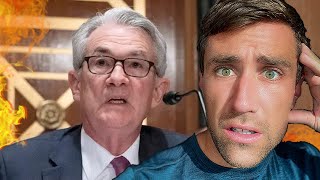
저자: Kevin · 외국인
요약 보기
연준 3월 FOMC를 앞두고 0.25%p 인상 가능성이 높다고 전망. 은행위기에도 긴축 기조 유지 주장. 신용경색으로 실질 긴축효과가 커 연준이 점진주의(비둘기파적 톤)로 선회할 수 있다고 봄. 3월 점도표 Q4 금리 중앙값 하향 전망. 강의 판매 홍보 포함.
다듬은 글
now we're going to go through a few things on the FED before the FED meeting so it's important to watch this ASAP we're going to talk about Nikki T's hints we're going to talk about Goldman's hints we're going to talk about TS Lombard's hints and we're gonna draw some dots because that was what we do oh well reminding you that today is the expiration of the coupon day which means prices go up and yet lifetime access guaranteed best pricing and it's only a one-time payment and you get lifetime access to me and of course member live streams and all the perspectives on building your wealth so if you like the perspective you get here just imagine what you get in there it's a lot of amazingness obviously that is the big discussion that we need to have today that is the most important topic there are a lot of other things to cover Ukraine oil and China with the Saudis we got so much to cover but the most important thing to talk about right now is what's going to happen in about five four to five hours when Jay pal gets all less papers together you know makes it seem like he's frazzled I love that by the way when he comes out and acts frazzled and like the corners of his papers are damaged and stuff making it seem like he's kind of been like nervously preparing it's all for the show okay maybe it's not but I think it's all for the show but anyway what's going to happen and so I've given you my projections but in this video we're going to give you some projections on what institutions are looking at uh first it's worth noting that the bundesbank chief says that rate Setters must be quote more stubborn in their inflation fight now I actually thought this was an interesting piece and let's look at this together here Germany's Central Bank boss said Eurozone rate Setters must be more stubborn in continuing to raise borrowing costs to tackle inflation he discounted fears about the recent Financial turmoil that's been experienced now that's interesting because really what we're saying is hey whoa whoa whoa hey the banking crisis does not matter instead you must continue to hike you must continue to raise rates as much as possible uh bad accents uh and that is actually what's being at least to some degree priced into markets now this chart is going to be very important today uh this is the federal reserve's terminal rate expectations this terminal rate expectation right now is sitting at about 4.96 now this is going to be very important because if the FED comes out with a summary of economic projections suggesting they're going to go from say uh you know where we are now four four five to four seven five with the 25 BP height uh and then in their summary of economic projections they have the goal of hitting 5.1 if they move that Target up then the fed's basically signaling to us hey look you all need to price in many more price hikes I don't know why you all got your your panties tied up because of a silly little banking crisis who cares we lost five banks we still hiking sorry now unfortunately that could lead to some pain in the uh the stock market because I think the stock market is actually to some degree trying to think that maybe the federal pause which is just totally ludicrous there are multiple different banks calling for a pause no more research is calling for a 25 BP cut Elon Musk is calling for a 50 BP cut you've got no more uh uh you've got Goldman Sachs calling for a pause most banks are calling for a 25 BP hike but just this idea of of of pausing basically totally discounts inflation I mean I suppose if j-pal comes out and says inflation's over we're gonna pause and cut yeah boys and girls we're going back to the Moon but but I don't think we're there I actually think the central banks CBS are are really clear that uh look we got to make sure inflation expectations don't run away from us uh and so Mr bundas Bank says if we are to tame this stubborn inflation we will have to be more stubborn I didn't know that was possible for a German raid Setters at the FED are set to decide on Wednesday whether to continue raising rates despite the collapse of U.S uh you know Banks Silicon Valley uh a bank and signature anal and of course we had Credit Suisse and in Switzerland and so on so analysts largely expect to raise by a quarter basis point today uh they talk about how the banking system is resilient in Europe and much the same as being talked about in America that this is not another 2008 uh and instead we just have to basically focus on getting inflation down that that is going to be the most important fight now I agree uh and Nick T gives us some hints as well let's close out some of these others here let's look at what Nick T has to say so this is what Nick T tells us to watch for Nick t uh this is uh by by all accounts known as the FED Whisperer he's the guy that during the FED blackout periods basically lets The Fad not be in a blackout period he's the guy that gets the text messages from the fed that's like yo we're leaning this way write the story so a lot of people actually refer to articles from Nick t as kind of like a hint from the Fed so they can increase their messaging to the public even though they say they don't message the public I don't know it's wild anyway the FED faces one of the thorniest policy decisions in years on Wednesday whether the Lyft interest rates again to fight High inflation or hold them steady amidst the most intense banking crisis since 2008.
we got some more research that we're going to dive in on this including from Bank of America which we'll talk about in just a moment uh but anyway uh this live I will be live streaming this at 2PM Eastern and 11 A.M uh California Time the video is already up so you can go click it remind if you want on it but anyway Nick T says the FED has tried over the past year to Telegraph its raid moves to avoid surprises but hasn't confronted an Abrupt and fluid crisis on the eve of a policy meeting now they do on Tuesday investors thought a rate hike was likely with interest rate Futures uh indicating a roughly five and six chance of a quarter point increase okay well remember the FED also likes to do what the market does uh or what the market projects and if the market is projecting a 25 BP it's get it's probably going to be a 25 BP that's my base case it would be very very rare to see something other than a 25 BP here officials raised their Benchmark fed funds rate by a quarter point to a range between 4.75 and or 4.5 to 4.75 in Fab now we're going to get the next 0.25 the case for raising rates here's what to watch for so the bank Silicon Valley Bank collapsed two weeks ago officials were set to debate whether the raise rates by a quarter point or half point because signs of the economy still running hot since then the economy has shown surprising strength in hiring spending and inflation leading to concerns about that aggressive rate Rises over the previous year hadn't done enough to slow and Corral inflation in other words making the argument like hey uh these rate hikes still haven't caught up of course now people say oh but we had banking failures is that not a sign of of interest rates catching up maybe to some degree because you had some banks with very very poor risk management procedures but as those failed treasury yields actually fell which increased the value of the bonds that other Banks had on their balance sheet which actually makes a continued banking run less likely anyway some economists argues argue that stopping rate increases now risks fueling unacceptable risks that inflation will stay higher for longer fed officials have at times acknowledged the risk of being forced to simultaneously fight two problems inflation and financial stability or instability several officials have said they'd use emergency okay this is boring so far so anyway let's go to where there's a little bit more interesting here this is Crisis management okay here what's this quote that they're using over here I always like the quotes that they use because they try to provide both sides they're probably a little worried they'll be seen in some cases as knuckling under a financial pressures in other words like if they go for or zero then it's kind of a sign that their weak paper handers now of course they do give this argument about maybe holding steady because hey Financial conditions have tightened since the bank failures this is true we've seen the Goldman Sachs Financial conditions index much higher than where we were sitting at the beginning of February but and the cost of borrowing for these banks have gone up uh but Goldman Sachs makes the argument here that increasing tightening in lending standards could end up creating more recessionary fears and therefore do the work for you of of tightening and so maybe you don't need higher rate increases now yesterday TS Lombard had a good piece they actually said that a Fed uh or or the tightening and lending standards is probably going to be similar to somewhere around 0.75 to 1.5 percentage points in hike in rate hikes Goldman Sachs put that number at only about 0.25 to 0.5 I actually agree with TS Lombard more here's that piece let's look at this piece together so the 2008 PTSD versus the ghosts of the 1970s so they talk about uh basically things being broken and this new era of no longer having permanent zero lower interest rates which are a great time to sort of expand risk but what you have here is uh they talk about how the US is acutely susceptible to monetary tightening and we have to realize that these banking failures are going to tighten lending and Bank fears so much that the first thing that happens is people stop uh getting yield on their deposits or as high of a yield on their deposits as they could potentially at new Banks or fintechs there's a reason for that you might be wondering why is it that the Legacy Banks don't pay me a yield like the fintechs do well part of the reason is the Legacy banks have a lot of the debt that or the assets that are devaluing quickly as rates are rising and so rather than pay out more in interest they are taking more of that income yield that they could Farm off of your deposits uh and and buffering their losses on their bond portfolios but in doing so they're actually driving their depositors out of the banking system and into just buying Treasury themselves to increase their deposit yields which is a good point now they hear talk about how this is not going to be another 2008 which is another argument for the FED just maintaining their 25 BP hikes uh but they talk about here and I think this was really neat they talk about how cred a credit squeeze that is an actual tightening in credit standards typically feels like another 75 to 150 basis points of hikes and that I think is actually way is it possible that we enter into a new phase of the Federal Reserve we'll talk about that but basically look at this they refer to the bank of England as a recent example where the bank of England patched up the UK financial sector and maintained its monetary squeeze but never reverted to its previous extreme levels of hawkishness instead gradualism ruled okay so now this is really interesting let's try to put all of this together so first of all today is March 22nd which is the fomc day but it's also the expiration of the lifetime access of the okay so we'll just leave that right there okay important to know and it's only a one-time payment if you want to break it up into smaller payments you could do that just check out with PayPal okay so what does this potentially mean for the fed well If the Fed hints in any way that we're going to do 25 BP now but tighter lending standards could affect the market the way TS Lombard thinks get this could affect the market 75 to 150 BP well what does that effectively mean that means we can have a lower bound uh in March that's with a 25 BP hike of 4.75 but now if you add in tightening with tightening because banks are freaking out you could actually be at a rate of 5.5 to 6.25 percent without actually being there think about that if the FED hints this today they could be signaling hey we don't have to do as much anymore because the banking system is going to tighten and effectively do that work for us which basically means the FED could be at a six percent effective rate thanks to the credit squeeze they're creating while pausing after the next 25 BP that we're expecting to get today that is also very interesting because in my opinion if rates were effectively 5.5 to 6.25 we would effectively I would call it an effective guarantee that we're hitting a recession if if we have rates this high and if the banking crisis tightens lending this much then that's where we're walking so what could that then mean for the way the FED talks to us well as TS Lombard says gradualism which is basically a way of saying uh I I would call it uh softly acting like a hawk with hikes and seriousness on inflation but mostly being dovish it's kind of like a change in tone and TS Lombard makes a really good argument here that hey look this credit crunch could hit us so badly that who cares what banks say about what happens today what actually matters more is about the fed's potential move towards gradualism in response to the credit tightening that's going to happen as basically all the banks pucker and they're like oh dear we better tighten lending because we don't want to go bankrupt like all those other Banks and that does enough of the fed's job for them now we'll look at a Bank of America piece as well here but I think we should quickly get the Goldman Sachs Financial conditions index uh let's get that really quick just to see how we're doing going into the meeting uh Jay Powell looks at this chart I'm 99 certain now Financial conditions look like okay look like we're rotating down slightly but uh let's pull this up together here okay here we go so here are Financial conditions as of this morning a slight loosening over here after the drama that we've had in the last uh you know a couple weeks here uh however this level is still substantially higher than where we were over here when Jay Powell uh spoke with Dave Rubinstein and and cheered how it uh Financial conditions were tightening remember to some degree you do not want to see this sort of uh uh you know Char rotate all the way down because you do need financial conditions tight enough to kind of prevent rampant and runaway inflation I don't know that this drop really is significant to the FED though I mean if we were down here I think we'd get a very hawkish fed I think here given that Jerome Powell was pretty neutral over here I wouldn't be surprised if here you have a pretty calm fat as well so I'm I'm looking for a 25 BP hike in a relatively calm fed today that's that's what I'm looking for now uh we do have Bank of America that has some insights on this as well hop in on this piece here so what's next for growth and inflation and are there going to be second round effects blah blah blah so let's just look at some of their summary answers here so the first thing they talk about here is if Regional Bank issues are ring fenced tightening lending standards and a Slowdown in credit creation would be consistent with our Baseline outlook for a mild recession in the U.S later this year they've been calling for like a Q3 Q4 uh recession here our bank research team believes the FED will impose stricter liquidity and cap requirements on a larger subset of banks leading to tighter lending standards more pronounced Financial stress could lead to Fed cuts and even a return to the zero lower bound if stress spreads but this is not our base case it's actually what the bond market has been pricing in for a while that we would actually end up seeing somewhere around 500 basis points and rate cuts by the time the cycle is over that would put us basically right back at zero now a lot of people don't think we're ever going to go back to zero that we're never going to see those low rates again that's going to take a very long time to get inflation down uh I I'm a little torn on that I probably lean more like 60 40 maybe even 70 30 towards the idea that oh no we're going back to zero and not only are we going back to zero but we're probably gonna start knocking on the door of negative rates uh in the future but we'll see mostly because of the deflationary impacts of uh AI autonomy and otherwise with money markets now yielding four percent are we worried that money will flow out of equities and into higher risk free yielding assets well my answer to that before I read their answer here is my answer to that is I think that's already happened I think people have already thought why would I invest in stocks when I can get four percent risk free on treasuries uh and the answer here is simple you might get four percent on treasuries and maybe avoid a 10 or 20 right down on on the stocks that you bought but if then all of a sudden those stocks go up fifty percent well boy your opportunity cost was pretty rich to sit in those treasuries but anyway cash has become an alternative but there have been there's been no equity capitulation so far yeah because I feel like allocation to equities is already relatively low I I saw uh it was actually a funny uh little meme yesterday on on Twitter where was this darn thing uh it was let's see here somebody writes waiting for oh here it is spotted in look at this investors waiting for a drop below the October lows before buying and it just shows a bunch of skeletons uh would look to be impaled on some kind of wall that doesn't look very pleasant but uh I don't think they they are bothered by that anymore anyway uh okay fine in the past has the how has the FED reacted to financial crises when they are in the process of raising hikes or racing raising rates following the 1987 stock market crash the FED cut rates and then raised them again as things stabilized Ethan Harris believes the FED can address Financial stability and inflation with their varied policy tools and concerns uh that uh that they can't are overdone I don't think I mean this is a suggestion that Goldman Sachs is making as well I think it's so wrong I I think there's I would I I bet a good chunk of money on this I think there's almost no chance the Federal Reserve pauses and it keeps going If the Fed pauses they're done they're done a Fed pause means they're done because they've said a million times we will not repeat the mistakes of the 70s the start stop uh uh uh policies of the 70s so it's very interesting uh you know you could go to Goldman you know they're the ones who are saying this here's their piece from this morning and uh they refer to the fed's response to the 1966 credit crunch 84 94 and 98 collapses uh and they look at these but basically they say here beyond the immediate response the FED eased monetary policy further in two episodes where it initially eased resumed hiking in an episode where it initially paused and continued to hike further in an episode where it initially hiked despite Financial cons stability concerns I believe they're going to do the yellow section here which is just keep hiking even in the face of financial stability concerns overall the historical records suggest that the fomc tends to avoid tightening monetary policy in times of financial stress and prefers to wait until the extent of the problem becomes clear unless it is confident that other policy tools will successfully contain stability risk well and I bet I guarantee you a 99 certainty that's exactly exactly what the FED is looking at today they are looking at this and saying look we have a buy the FED pivot facility it's the bank term funding program we have the buy that fed pivot facility we did our job then we added to liquidity in US dollar swap markets throughout the world and we again did our job we got tools I I guarantee you he's gonna say this we got tools on our tool belt bro wheeze using them but rate hikes are important to contain inflation because that remains our number one fight uh yeah so in other words they're gonna make this argument my thesis that we have stability they're gonna send this confidence today we have stability now we need uh Financial stability right so that that's we have Financial stability so instead we're going to focus on maximizing jobs and stable prices because that's our dual mandate Financial stability is kind of like their third mandate uh well actually it might be their primary mandate and then you have this dual mandate thereafter either way because the financial stability goes actually wonky the other two issues go away they'll do whatever they need to do to maintain Financial stability even if that means lots of job loss but uh yeah I don't I don't I don't know I I just don't jive with the arguments that uh you know we're gonna start stop here so I I'm actually bullish on it I'm bullish on 25 and I'm bullish on a dovish fat I'm happy about that I think the the scariest part where we could get rug pulled today uh is a you not using the coupon code link down below because you pay once and you get lifetime access and you're guaranteed to get the best price so I don't know why you wouldn't you get to join me in fund the analysis uh q1a uh or real estate analysis ever oh there's so much we do it's great all right so here's the Dot Plot again well the sap uh the Dot Plot is one of the other Pages it doesn't so terribly much matter uh I suppose since I mentioned it I'll pull up the dots for the people who care about the dots this is what the dots look like oh you know what I should do I should make my projection over here I like making these bets somebody is asking me how come Kevin is not introduced to Espresso so sometimes when I land at uh airports uh and I need something really quick or no usually when we're about to take off at airports I'll have an espresso because the plane takes off so fast that it kind of like jerks uh your coffee back and then you spill I've done that like three times so I I'll have espresso the problem is espresso gives me a massive stomachache it's just too concentrated too acidic or whatever so so I I know espresso I like it especially you go to like Italy or you have some you know Cuban coffee which is really espresso I think anyway okay so so this is the Dot Plot projection from December okay I'm gonna I'm gonna draw my Dot Plot projection for for this year okay so this is gonna be midpoint target range for the FED funds rate uh in 2023 so this is the end let me make sure it's the end we'll go through these really quickly oh here all my drawings from last time okay so here it says yeah okay it's the end uh median logaron uh is it the end though see that's actually interesting is it the end or the peak that they write over here uh it's the projection for the year usually that's what they expect the year to end in I'm pretty sure these are year end but for let's see central tendency three highest lowest long run uh one participant did not submit based on our system monetary policy fourth quarter oh here we go present changes from the fourth quarter of the previous year to the fourth quarter of the Year indicated okay Q4 it's Q4 so let's go back to the dots so where do we think rates are going to be in Q4 okay so now this is going to be interesting when the FED does this it signals uncertainty uncertainty when the FED does this that is all the dots are clumped together it signals certainty I think what's gonna happen is how many dots we have one two three four five six that's uh seven eight nine ten eleven twelve thirteen fourteen fifteen sixteen Seventeen eighteen nineteen okay and then one person didn't submit Okay so 19.
so 19 dots this time how how would I revise this well I would probably go as far as saying uh for Q4 I'm gonna go I'm gonna put five right here I'll put two right here uh I'll actually put uh let's see that's seven I'll put four over here three four actually I put five over here that's 16. and then I'll put another four right here that should be added up but this is this is the kind of dispersion that that I would think of I I think we're we're going to lose this higher end in consistency it's possible it's possible you end up having like one lingerer up here but I think you're going to lose the high end by Q4 remember this is Q4 all right so you're gonna lose the high end and uh and you're gonna shift this whole box basically down um as much as half of a percent or so so we'll see that's uh that's my take Kevin drinks energy drinks no I don't those are very bad for you I used to uh but not anymore so anyway those are my projections on the fit updated just a few hours before the FED meeting with all the latest Goody Two-Shoes




Comments 0