저자: HankSmith · 외국인
요약 보기
결론: 펀더멘털은 매우 강하지만 심리는 아직 낙관 초입이며, 분산투자와 방어·경기민감 섹터 균형을 권고한다. 거시 경기: 미국 경제는 가속 중이고 글로벌 성장도 동반되며, IMF 전망상 내년 침체 국가는 6개국뿐으로 기록적 저수준이라고 언급했다. 기업이익은 국내외에서 강하게 성장 중이며 인플레이션은 완만하고 금리는 낮다. 시장 심리: 투자심리는 여전히 불안이 남아 있고 낙관 국면에 막 진입한 단계로, 강세장 후반의 과열(euphoria)과는 거리가 멀다고 봤다. 자본 흐름은 여전히 주식보다 채권 등 확정수익 상품으로 향하고 있어 강세장 말기와 다르다고 평가했다. 암호화폐: 비트코인 등 가상자산이 폭락하더라도 주식시장에 파급될 가능성은 낮다고 판단했다. 금리·연준: 실업률이 4% 아래로 떨어져도 임금 인플레는 제한적이어서, 연준은 고용보다 인플레이션에 더 주목할 것으로 전망했다. 10년물 국채 금리 상승 우려에 대해서는 명확한 방향 예측을 하지 않았다. 심리지표: 소비자신뢰는 17년 만의 고점, 소기업·CEO 신뢰도 선거 이후 크게 올랐으나 최근 CEO 신뢰는 2포인트 하락했다. 세제개편 불확실성 때문일 것이며 1~2주 내 명확해져 다시 오를 것으로 봤다. 세제개편: 법인세 인하(20%)는 경제보다 기업이익에 더 큰 영향을 주며, 개인 감세는 적어 소비자 중심 경제에 우려 요소라고 언급했다. 투자 전략: 경기민감 섹터(산업재, 기초소재, 일부 금융·기술)와 필수소비재·헬스케어의 균형을 유지하고, 채권은 변동성 완충 역할로만 보며 정크본드는 피하라고 권고했다. 성장 지속성: 연 2% 성장은 과잉을 만들기 어려워 장기 성장이 가능하지만, 3~4%로 가열되면 인플레·고용·자본배분 과잉으로 다음 침체의 씨앗이 될 수 있다고 경고했다.
다듬은 글
제목: If Bitcoin collapsed, could it spill over to the broader market? 채널: Fox Business 화자: HankSmith
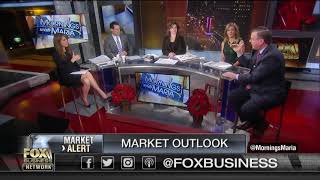
Welcome back to the main market news. The November labor market report will be released in about two hours. Economists expect about 200,000 new jobs were added to the economy last month, in November. The unemployment rate is expected to remain stable at 4.1%. Futures are looking pretty good this morning ahead of the report.
Look at the futures: they indicate a rise of about 50 points in the Dow Jones Industrial Average. The NASDAQ and S&P 500 are also showing gains this morning ahead of the numbers. Hank Smith is with us now. He is co-chief investment officer at Haverford Trust. Hank, it's always nice to see you. Glad to be with you.
Do you think this market still has potential for growth? Oh, definitely. The overall condition is very powerful. The US economy is accelerating, as is global growth. The IMF claims that next year there will be only six countries in the world in recession. This is a record low. This is a real rarity.
Corporate profits are showing strong growth both here and abroad. We also have mild inflation and low interest rates. From a fundamental point of view, it couldn't be better. In terms of sentiment, there is still a certain sense of anxiety. I think we are finally moving into a phase of optimism, but we are still far from euphoria in this market.
No, no speculation yet. Maybe in the world of cryptocurrency. Of course. But I don't... Well, that's true. There is Bitcoin, right? I'm not sure if the collapse of Bitcoin and other cryptocurrencies will have any impact on the stock market. I don't think so. But capital flows do not indicate the mad rush for stocks that you typically see in the later stages of a bull market.
In fact, capital inflows continue to favor fixed income instruments over equities, which is highly atypical for this stage of a bull market. Exciting. Hank, let's assume that the unemployment rate falls below 4%. Will this force the Federal Reserve to raise interest rates more aggressively? And will this surprise the market in 2018?
You have a new Fed chairman. This creates a rather interesting combination. Do people take this into account when evaluating the market now? We would have had the same conversation when the rate was at 5%. Sorry, at 4.5%. And yet, there was no wage inflation. Wage growth has been moderate, nothing to worry about, like the 3.5–4% growth that usually contributes to inflation.
So, I think the Federal Reserve will now pay more attention to inflation than to employment levels.
Hank, you were talking about the sentiment and how positive it is. We saw consumer confidence hit a 17-year high, but the same report said CEO confidence fell two points. That was the only indicator I could think of: it's not a very good sign.
What do you think is on the minds of company leaders right now? I don't believe it. Yes, it was a surprise to me to see it there, but the rate is still high. All confidence indicators have increased dramatically since the election: small business confidence, CEO confidence, consumer confidence—and they remain at high levels.
Perhaps this latest decline in CEO confidence is a reflection of uncertainty about tax reform. But I think we'll have clarity in a week or two, and I assume that this number will increase again.
What should you avoid now? Because again, if you look at the 10-year Treasury bond, we're constantly watching the yield. If the US and other global economies are on the rise and the labor market is very tight, aren't bond investors wrong about potential inflation and the fact that the Fed could raise rates much faster starting next year?
Well, look, I think you should stay diversified, and in stocks, you should keep a balance between offense and defense. The offense is on more cyclical sectors such as industrials, basic materials, partly financials and technology, but don't forget about consumer staples. Don't forget about healthcare. Look for balance. The role of fixed income instruments is to reduce volatility. Don't chase returns, either on maturity or asset quality. Avoid junk bonds. And realize that the fixed income portion of your portfolio is simply an anchor to reduce volatility, as you won't get much return there.
When they get that corporate rate of 20%, are companies more likely to buy back shares or invest that money in investments and hiring employees? I think it's both. You think I think both, and I believe this tax reform will have a bigger impact on corporate profits than on the economy. It will have a positive impact on the economy, but much more on profits, and the reason is that little is being done for individuals.
Yes. And this economy is driven by the consumer. But is this a cause for concern? Yes. Little has been done. Look at what you just said. Little has been done at the individual level, but this economy is driven by the consumer.
Well, Maria, let's look at it positively. I don't think we will have a situation where the economy is overheating. Because one of the reasons we are in the longest or second-longest growth period, which I believe will become the longest, is that at 2% growth there is not enough basis for excesses. Excesses lead to the next recession, whether in inflation, employment, or the misallocation of capital. At 2%, it's hard to have any excesses. Hence this very, very long growth. But if it starts to warm up to three, three and a half, 4%—especially after nine years of growth—you can create excesses.
Okay, we'll keep an eye on this. Hank, thank you for your thoughts. Glad to be with you. Thank you very much for joining us.




Comments 0