저자: PeterLynch · 외국인
요약 보기
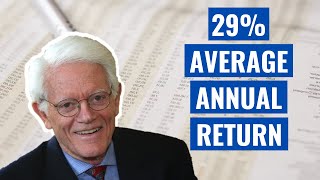
결론: 피터 린치의 투자 원칙 7가지를 소개하며, 주식은 사업의 지분이고 단기 주가 예측과 경제 예측은 불가능하니 잘 아는 사업에 장기 투자하라는 메시지다. 핵심 주장: 대부분의 투자자는 주식을 왜 보유하는지 설명하지 못하며, 주가는 단기에 예측 불가능하지만 장기적으로는 기업 주당순이익(EPS)을 따라간다. 근거 수치: 린치는 1977~1990년 마젤란 펀드를 운용해 연평균 29% 수익을 냈다고 언급. 1965년 이후 시장 고점에 매년 투자하면 연 10.6%, 저점에 매년 투자하면 11.7%로 차이는 1.1%p에 불과했다고 인용. 애플은 10년 이상 기간에 EPS와 주가가 함께 움직였으며 단기적으로는 몇 달 사이 20~30% 하락한 적도 있다고 설명. 종목 언급: 애플(장기적으로 EPS 성장과 주가 연동 사례), 월마트(10배 수익 종목 사례, 1970년 상장 후 10년 뒤 매수해도 30배), 던킨도넛(린치의 성공 투자 사례), 서비스코퍼레이션인터내셔널(장례업체 인수 기업, 성공 사례). 특정 종목에 대한 매수·매도 권유는 없음. 투자 기준: 사업 내용을 이해할 수 있는 기업에 투자, 핫 스톡(Reddit·유튜브 추천 종목) 추종 경계, 10배 수익 종목 탐색(시장 규모 크고 기업 규모가 작을수록 유리), 수익 종목은 오래 보유하고 손실 종목은 조기 정리, 과도한 분산 투자 지양. 리스크: 이해하지 못하는 산업 투자는 실패 가능성이 높다는 경고. 영상 후반부에 스폰서 앱(Quarter) 홍보 포함. 출연자 전망: 특정 자산의 1~3개월 방향에 대한 예측 발언은 없음. 경제 예측은 무의미하다는 입장.
다듬은 글
i'm amazed how many people own stocks they would not be able to tell you why they own it they couldn't say in a minute or less why they don't actually if you really pressed them down they'd say the reason i own this is the suckers going up and that's the only reason that's the only reason they own it and if you can't explain i'm serious you can't explain to a 10 year old and two minutes or less why you own a stock you shouldn't own it and that's true i think about 80 percent of people that own stocks this video is sponsored by quarter peter lynch one of the best stock pickers ever he formally managed the high-flying fidelity magellan fund from 1977 to 1990.
under his management the fund averaged an astounding annual return of 29 here are the seven investing lessons that helped him invest successfully throughout his career that you can start incorporating into your own investment process today these are the most important takeaways that i use every single day at my job as an investment analyst at a large investment fund i read through all the books peter lynch has written and all the interviews and speeches he has given to provide you guys with these seven lessons make sure to give this video a thumbs up because it really keeps me motivated to keep making videos for you guys stick around to the end of this video to see my personal favorite lesson from lynch number one stocks are ownership pieces of businesses this may sound obvious at first but trust me when i say that very few investors view stocks as an ownership stake in businesses instead they view stocks as little numbers on a screen that float up and down they foolishly try to guess whether the stock price is going to go up or down tomorrow lynch talks about how you should imagine yourself as someone who is looking to buy the entire business instead of just a few shares of stock let's say you were going to buy a corner grocery store in your hometown you would be asking yourself these following questions how much money does this grocery store make in profit compared to the price i have to pay for it is that profit going to grow and if so by how much is there any competition nearby that could steal my customers what makes this grocery store unique from the competition and are there any opportunities to expand this grocery store to new locations and increase the total profit these are all questions that would help you decide whether you would want to buy the entire grocery store these questions aren't super complex and you don't need a degree from harvard to ask them and find the answers notice how if you were looking to invest in shares of walmart a us-based retailer you would be asking yourself the same set of questions how much is walmart's earnings per share relative to the price i have to pay for it does the company have a way to continue to grow the earnings per share what makes walmart unique than other large retailers and keeps customers coming back are there any competitors that are successfully stealing my customers these are the questions that you should be asking if you are looking to invest in walmart as they will determine the ultimate success of the investment by viewing stocks as ownership stakes in businesses and not just numbers on a screen that move around in price you are able to better evaluate stocks in order to find the answers to those questions you need to research the stock personally when i do research i use the app called quarter i reached out to quarter to sponsor this video because it has become an important tool in my investment research process this app is completely free and i use it every time i need to listen to a company's earnings call or read through call transcripts i have included a link in the description to download the app if you want it has saved me a ton of time and makes my own personal research process 10 times easier this leads us into the second point stock prices aren't possible to predict in the short term this is one of the biggest mistakes i see new investors make they buy a stock because they believe in the long term potential of the company soon after they buy the stock the price falls for seemingly no explainable reason frustrated by the short-term movement in the stock price the investor gives up and sells then over the next few years the investor watches as that stock's price increases as the company experiences growth lynch makes the point repeatedly that the reason stock prices move in the short term is unexplainable but over a long period of time stock prices move with the earnings of the company that means if a company's earnings defined as their earnings per share or eps for short is growing over a long enough period of time so will the stock price and the opposite is true if the company's eps is shrinking over time the stock price will decline take a look at a chart of apple's eps compared to its stock price now this is over a decade plus time frame but notice how once you take this longer term view you see a direct relationship between the underlying earnings of the company and its stock price this example perfectly illustrates what lynch means by stock prices are impossible to predict in the short term over this time period there were times when apple stock price fell by 20 to 30 percent over the course of just a few months for seemingly no reason the underlying fundamentals of the business remained strong customers still loved apple products eps was growing and no competitor had entered the market and been successful in stealing away apple's customers think about all the money you would have missed out on because you sold apple because you were frustrated that the stock price went down for seemingly no good reason point number three don't worry about economic predictions this is where one of my all-time favorite peter lynch quotes comes in if you spend 13 minutes a year on economics you've wasted 10 minutes as an investor it would be a huge advantage to know what the economy is going to do over the next year you would be able to buy more stocks if the economy was going to be strong over the next few years or jump out of the stock market if an economic shutdown was approaching however it simply isn't possible to know what's going to happen in the economy with any degree of accuracy and consistency lynch says you should spend practically no time at all trying to predict the economy because the economy is impossible to predict however this is completely opposite to how the financial media including right here on youtube and most investors operate so much time energy and resources are spent by investors trying to predict if the economy is going to grow 3.7 percent this year or if it is going to be 3.8 instead instead lynch believes and which is proven by his very impressive investment track record that it is much more effective spending that time researching and learning about potential stocks to buy don't take this as lynch saying what is happening in the underlying economy doesn't matter it most certainly does however lynch believes that nobody can accurately predict what's going to happen next month or next year in the economy people try to predict the economy in order to buy stocks at the lows and sell them at the highs this is referred to as timing the market however peter lynch says that trying to time the market is foolish and he backs up his argument with evidence listen to this quote from lynch starting in 1965 if you invested at the peak of the market in each year your annual return was 10.6 if you timed the market perfectly invested at the low point in each year your return was 11.7 percent the difference between great timing and lousy timing was only 1.1 percent this quote from lynch is a perfect example of something you should remember as an investor time in the market beats timing the market number four on the list is invest in what you know this is a piece of advice from peter lynch that you can begin incorporating in your own investment strategy starting right now today this is all about knowing your edge and using what you are an expert in to your advantage just as important is to be honest with yourself and admit where you don't have extensive knowledge of an industry and resist investing in those areas for example if you don't understand semiconductors that's perfectly fine just don't go investing in semiconductor companies just because that's a high growth area and you see other people investing in it where they seem to be making money lynch says that this is the easiest way to lose money when investing in fact peter lynch has frequently said that whenever he invests in a business that he doesn't understand it almost always doesn't turn out well instead stick to businesses and industries that you understand and know well this can be an industry that you work in or a company whose products you frequently use it could be as simple as you being a huge video game fan as a huge video game fan you know which companies frequently put out the best games you also know when a video game company has lost its magic touch and no longer makes entertaining games anymore believe it or not you have an advantage over the high paid wall street analysts who cover video game stocks do you think the 50 year old analyst that covers video game stocks actually plays all of the games that come out and knows which companies make good products of course not know where you have an edge in understanding businesses and industries and stick to that leave the picking of stocks in industries you don't understand to someone else point number five is ignore hot stocks as an investor it may be tempting to chase what peter lynch refers to as hot stocks these are the stocks that everyone is talking about and have seen a huge increase in the share price recently a lot of times these stocks are very high tech and the average person has no idea what the business actually does even though most investors can't even tell you what the company does they still want to buy the shares this is because they see that the stock price has gone up and they have friends who have made a lot of money in the stock or maybe saw a post on reddit or youtube video on how the stock price is going to rise buying a stock because you saw someone on reddit or youtube talking about it is the modern equivalent of the story peter lynch tells of an investor who bought a stock because they heard someone on their commute to work say it was a good stock to buy peter lynch made a successful career out of buying what people may refer to as boring businesses one of his best stock investments was dunkin donuts he could understand the business well and could see that the coffee shop chain had huge growth potential so he bought the stock and it turned out very well for him another one of lynch's all-time great investments is service corporation international a company that buys up family-run funeral homes throughout the country dunkin donuts and service corporation international are boring businesses compared to the more high-tech companies but sometimes some of the best docs have pretty boring business models because they are overlooked by investors chasing the next big thing number six on the list is look for 10 baggers a 10 bagger is a stock that increases in value 10 times its initial purchase price the term 10 bagger was coined by lynch in his book one up on wall street if you haven't read the book or even if you haven't won a quick summary check out the video i put together on this great book here a large part of peter lynch's success was because he was able to find and buy stocks that increased significantly during the time he owned them sometimes the increase was 10 times or more than what lynch originally paid for the stock just because the stock has already seen its value increase substantially doesn't mean it's too late to buy that stock in a pbs interview in 1996 lynch cited walmart as an example of a temp bagger that investors had plenty of time to buy he said that investors who had purchased walmart 10 years after it went public in 1970 would have still made 30 times their money the key to finding 10 baggers is to look for stocks with a huge potential market for their products or services it's much easier for a company to grow if there are a lot of potential customers for its product or service another important factor to consider is the current size of the company if a company is already large and established the odds of it increasing in size by 10 times is lower than a smaller newer company all else being equal it only makes logical sense that it would be easier for a company to go from one billion dollars in sales to 10 billion dollars than it is for a company to go from 100 billion dollars to a trillion dollars in sales at a certain point companies become so large that it becomes difficult to maintain a high growth rate due to their size another important lesson from peter lynch is to hold on to your winners lynch says that one of the biggest investing mistakes he had was selling his best stocks too early he would sell after the stock rose 50 only for that stock to go on to double triple or even 10x in price an all-time great quote from lynch is selling your winners and holding on to your losers is like cutting your flowers and watering your weeds last up is number seven don't over diversify your portfolio a big point of debate among investors is how many stocks the typical investor should own in their portfolio peter lynch strongly believes in portfolio diversification which is simply spreading your investing dollars among many different stocks to reduce the likelihood of losing a significant amount of money if some of your stock investments don't turn out well however peter lynch cautions investors to avoid what he refers to as diversification conventional wisdom and investing says you should own stocks in every different industry just for the sake of having a diversified portfolio under this conventional wisdom investors would buy energy stocks for example even if they knew nothing about energy stocks or couldn't find a stock that they understood and believed in the long-term growth of peter lynch views things different he believes in building a portfolio of stocks but only the very best stocks at that given time that means stocks that he understood believed in the long-term potential of and which he believed were selling at a fair price so there we have it haven't already also make sure to download the quarter app using the link in my description talk to you soon




Comments 0