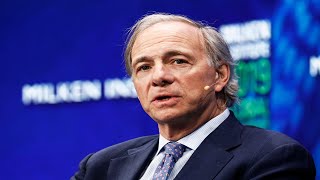
저자: RayDalio · 외국인
요약 보기
결론: 달리오는 중앙은행의 대규모 통화·신용 팽창이 실물 디플레이션을 상쇄하는 과정에서 장기적으로 화폐적 인플레이션 압력이 커질 수 있다고 본다. 부채 사이클 설명: 1945년 이후 달러 중심 통화체제 아래 부채 사이클이 누적됐고, 금리가 0에 가까워지면서 중앙은행이 더 많은 돈을 찍어 금융자산을 매입하는 방식으로 대응해 왔다. 2008년과 1933년 사례가 유사하다고 언급. 현재 상황: 코로나19 충격으로 소득이 급감했고 개인·기업·국가 모두 저축이 부족해 재무 구멍이 생겼다. 연준이 미국 정부에 자금을 빌려주는 방식으로 이 구멍을 메우며 전례 없는 규모의 정부 부채 창출이 진행 중이다. 달러와 해외 부채: 세계 거래의 약 70%, 외국 준비자산의 약 70%가 달러 기반이며 해외 달러 부채는 약 60조 달러. 달러 조달이 어려워져 비미국 국가들이 부채 상환 압박을 받을 수 있다고 봤다. 유럽·중국·일본은 상대적으로 대응 여력이 있으나 산유국 등은 준비금이 소진될 수 있다고 봤다. 인플레이션 구분: 수요·공급 인플레이션과 통화적 인플레이션을 구분. 미국·유럽·일본은 현재 통화 팽창이 디플레이션 손실을 메우는 데 쓰여 즉각적 고인플레이션보다는 디플레이션 완화 효과가 크다고 봤다. 다른 국가들은 자국 통화 수요가 약해 통화적 인플레이션 가능성이 크다고 언급. 손실 추정: 미국 실질 손실 약 5조 달러, 전 세계 약 20조 달러 이상으로 추정. 미국은 아직 부족하며 자금이 적재적소에 가지 않고 있다고 평가. 리스크: 바이러스 재확산 가능성, 소득·재무 구멍이 충분히 메워지지 않는 경우, 부의 격차에 따른 정치적 갈등 확대 가능성. 출연자 전망 요약: 단기 가격 예측보다는 장기 구조적 인플레이션과 달러 체제 리스크를 강조.
다듬은 글
there are cycles there are debt cycles there's money and credit and then there's real economic activity and so think about it the the following that what is happening is a cycle that began in 1945 we began a new monetary system the world created the dollar as the world's currency at the end of world war ii and then we began a debt cycle and spending power comes from money and credit and so central banks create money and credit and we have the world's most powerful central bank because the uh dollars the world's currency and we began a cycle and that cycle allowed more and more stimulation but we accumulated more and more debt and the ability to do that diminishes as interest rates get closer to zero because usually they stimulate with by cutting interest rates and when the interest rates hit zero central banks have to print more money and buy more financial assets which they did um in 2008 the way they did it in 1933 and then the economy picks up on that and we create more money and debt and then you have a downturn now this downturn came because of a virus but if weather came for a virus or for any other reason it's an economic downturn in which the central bank has a limited ability to be stimulative so think of it this way every individual every company every country has a certain amount of income and a certain amount of expenses and then a certain amount of savings and when the income falls so that it's low maybe even below the expenses they have to dig into their savings and so what we're experiencing now is with a lot of debt there was a fall in income and a lot of people and a lot of countries and a lot of companies don't have an adequate amount of savings and so that's where the financial crisis comes from if the virus never comes back again think of it as like a tsunami it recedes and there's still damage in this financial damage and so what we see now are holes in income and holes in balance sheets and then you're seeing the central bank the world central bank federal reserve fill it in for americans try to fill it in for americans so you're seeing unprecedented amounts of creation of government debt borrowing money because where does it get the money from it borrows it it borrows from the federal reserve and then it gives that money out to fill in those holes so that's in the process that's happening very similar to almost identical to march of 1933 when roosevelt did the same thing and it's happening at a time like back in the great depression when there were relatively large wealth gaps and because of those large wealth gaps there are more political gaps and there's going to be probably a lot more arguing about how the wealth pie should be divided so that's the mechanics and it's happened through history throughout history we've gone through the cycle of that cycle and financial cycle having to do with prosperity and then difficult times so figure in every place there are these holes and the united states because 70 of the world's transactions buying and selling and about 70 of the storing of wealth outside the country reserves and the like is in u.s dollars so the u.s has a monopoly on those dollars almost the there's a european central bank much smaller there's a japanese central bank much smaller china has a central bank they could take care of the chinese but by and large we're living in a world economy because if you want to buy things you pretty much have to buy them in dollars now what's happening now is that the united states production of dollars is largely going to americans and that those who have financial holes that are often in dollars there's about 60 trillion dollars of debt in other words it's owed in dollars that is owed by non-americans and as a result of that they need dollars and it's going to be much more difficult for them to get dollars to pay that debt that's one of the big things that's going on so in europe it's a bit better than that they're going through a similar process in china they can manage that japan can manage that they also have savings large savings you can measure it in reserves but a lot of the rest of the world is going to have to look to its own balance sheet and it's going to look some countries um you could look to their savings you could look to their reserves and you say how much do they have in savings and they'll have to draw on those savings and some of them will run out of those savings even the rich countries uh think about it oil producing countries their revenues are a lot less than their expenses and then they have savings quite substantial savings but that savings is going to have to be drawn down they're going to have to sell assets and draw that down and so a lot of the world will not be protected the primary protection mechanism for doing this is the imf and the mayan map has about a trillion dollars in assets and now they're arguing about how much money should be put out for supporting you know the g20 countries how much would they chip in to support it and it's unlikely to be very much so those other places are going to have a shortage of hard currency they manufacture their own currencies of course but those are not widely accepted they're not widely accepted for international transactions and they're not widely accepted for savings and so that diminishes the value when they print those currencies that diminishes the value of those currencies because there's not that much demand and so i think it's going to be very difficult for those countries there are two kinds of inflation there's the supply and demand inflation you know in other words when the demand for something is high and there's not enough of it it goes up in price and then there's monetary inflation monetary inflation means that you print a lot of money and even though the economy can be very weak you can have a monetary inflation because the supply of money and credit increases so much faster than the goods and services even though there's not much demand for that so it'll depend on which country you're in all this printing of money and credit right now in the united states is to fill in holes in the in the balance sheets so in and of itself rather than causing higher level inflation in a place like the united states or europe or japan what it's going to do is reduce a greater amount of deflation and because it's just filling in those holes however we should talk about what is the value of money what is the storehold of wealth but when you get into other countries that's not true so they will have uh the printing of their own money it won't be in much demand and and yes there is a significant likelihood that they will experience monetary inflation even while the world is has a shortage of demand we estimate that the amount of losses in the united states in terms of actual losses is in the vicinity of about five trillion dollars and that the losses in the world is a bit over 20 trillion dollars and then uh of course it's it differs so you just can't put that number out you've got to get it in the right places right now i would say it's still short in the united states and not getting necessarily in the right places and in the rest of the world it's still significantly short and so as the world is intertwined uh the balance sheet problems and the income problems or other places are going to matter even if the virus did not play any role in the future of course there's some likelihood significant likelihood that it will you know that's a whole other subject it looks like the amount is still isn't enough and worse so in the rest of the world than it is in the united states and it's not necessarily all getting in the right hands at the right speed so it's going to be difficult you



Comments 0