
저자: Jimmy · 외국인
요약 보기
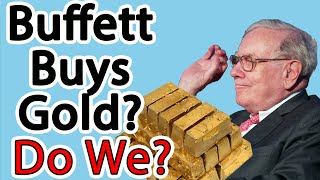
워런 버핏의 주요 보유 종목을 분석해 그가 실제로 저평가(가치투자) 종목을 샀는지 검증한 영상. 버핏이 매수 시점의 PER가 시장 평균보다 낮은 경우가 많았다는 결론. 분석 방법: 버핏의 주요 보유 종목별 최초 매수 시점을 찾고, 당시 PER를 S&P500 평균 PER와 비교. 애플: 2016년 매수, 당시 PER 약 12배 vs S&P500 약 19배. 현재 PER 약 19배로 S&P500 약 20배와 비슷. 버핏이 할인된 가격에 샀다고 해석. S&P500 역사적 평균 PER 약 17배, 대침체 바닥 약 11배(한 달 전 14배, 한 달 후 15배)를 기준으로 제시. 코카콜라: 1988년 매수, PER 약 14배 vs 시장 약 15배. 1987년 주식시장 폭락 직후 매수. 아메리칸익스프레스: 1994년 매수, PER 약 10배 vs 시장 약 21배. 1960년대 샐러드유 스캔들 이후 저가 매수 사례로 언급. 크래프트 하인즈: 2013년 하인즈 우선주 매수(연 9% 배당). 이후 크래프트와 합병, 과대 지불 인정 및 감액손실 발생. 무디스: 시장 대비 다소 높은 가격에 매수, 이후 비중 축소. 과다 지불 가능성 언급. 델타항공·사우스웨스트 등 항공주: 2016년 말 업종 전체 하락 시 매수. 시장 대비 저평가. GM: 2012년 매수, PER 약 6배 vs 시장 약 14배. 비자·마스터카드: 2011년 매수. 장기 성장 사업이라 다소 높은 가격도 감수했다는 해석. 버핏이 더 사지 않은 것을 후회한다고 언급. 웰스파고 등 은행주: 시장보다 낮은 가격에 매수하는 경향. 골드만삭스: 2008년 대침체 때 50억 달러 우선주 투자(연 10% 배당)와 주당 115달러 워런트 확보, 2013년 행사로 큰 수익. 결론: 버핏은 가치 중시 투자자이나, 업종 전체가 흔들릴 때 좋은 가격에 꾸준히 매수하는 경향이 있다. 장기 보유를 전제로 하면 일반 투자자도 리서치를 통해 시장을 이길 수 있다는 견해. ※ 개별 종목 가격 방향에 대한 1~3개월 예측 발언은 없음.
다듬은 글
hi I'm Jimmy in this video I'm gonna walk through some of Warren Buffett's main holdings to see how much of a value investor Warren Buffett really is now I'm sure we all know that Buffett is big on holding stocks for a long time so I was curious if he really bought stocks that were out of favor or as Warren Buffett himself puts it well you want to be greedy when others are fearful you want to be fearful when others are greedy it's that simple, okay so what I did is I looked at some of Buffett's biggest holdings and then tried to identify when they first invested in that particular company then I went back to that time period and to see if we could calculate what the price to earnings ratio was back then that way we could try to see what Buffett saw at the time and then we do the same thing for the stock market for the same time period that way we had something to compare it to okay so let's jump right in so right now one of Buffett's largest holdings is Apple now Buffett has raged on and on about how much he likes the Apple brand and how loyal the Apple customers are so this is a five-year chart of Apple stock and Berkshire Hathaway got involved in this during 2016 right in that time period now Buffett has come out recently and said that the average price for Apple stock is somewhere near 142 so clearly they've added some shares since the early days when they first started buying the company but if we would have focused just on the early days when they first started buying it well Berkshire when they paid for Apple stock they paid about 12 times earnings per shift so they had a p/e about 12x the S&P 500 at that same time had a p/e of about 19 X so clearly there's some value there now if we'd have fast forward to today well apples currently trading at a price to earnings ratio of about 19 X which is almost at the S&P 500's current level of about 20x so it makes sense that this would be one of Buffett's largest positions since she since he got such a good value early on and at that time what I'm guessing what he saw was a solid business with a great brand and was trading at a discount to his calculation of intrinsic value and it's likely that at some point that would be valued near the average of in this case we'll call the market of about 20 now as curious what a good value really was so assuming we stick with price to earnings for a minute I mean what if the S&P 500 is currently overvalued then the 20x doesn't make a lot of sense so I pulled down the average PE for the SP 500 going all the way back to the early part of 1970 and that number came out to be about 17 X and I was curious what a really cheap stock looked like so I went back to the bottom of the Great Recession and at the bottom the S&P 500 had an average p/e ratio of about 11x now it didn't stay in there for too long the a month before that the p/e was at about 14 X at a month after that was trading at 15 X so it didn't stay there terribly long but now we have an idea of some averages some lows and the current level okay moving on next up we have coca-cola now coca-cola Buffett started buying coca-cola during 1988 and at that time he had said that he expected to hold coca-cola forever we could see that once again Buffett's p/e ratio was lower than that of the stock market at that time they paid about 14 times earnings and the S&P 500 was trading at about 15 times earnings now it's probably worth noting that this big purchase of Coke came shortly after the stock market crash of 1987 so that seems to be a theme throughout a lot of Buffett's biggest buys okay up next we have Buffett's purchase of American Express now American Express is an interesting one because Buffett first bought into American Express back in back during the 1960s when he had Buffett partnerships and back then that was right after they had a big scandal called the salad oil scandal so I'm guessing he got it for a good deal now his currents taking American Express started in 1994 and at that time he paid about 10 times earnings so he they had 10x and the sp500 had an average of 21 X so clearly this was a pretty good deal and it makes sense that he's still holding this investment today okay up next we have Kraft Heinz now clearly we could see that back in 2013 when Buffett first bought Heinz back then it was called HJ Heinz well clearly the stock looked to be overvalued but Buffett didn't actually buy the common shares back then he bought preferred shares and they paid him 9 percent on an annual basis so yes the common was overvalued relative to the market at that time but that doesn't account for the dividends at the preferred shares a penny now the story turned worse for Buffett because a few years later he him in another group pushed for the merger with Kraft and in 2015 they could they finished the merger and the company became Kraft Heinz well since then Buffett has admitted that they overpaid for Kraft although he says that the deal that he originally made with Heinz wasn't a bad deal with the 9% prefers and since then they've converted their preferred shares into common shares and they ended up having to take a write down because once again they overpaid for crash okay up next we have Moody's now here we could see that at that time the S&P 500 was trading at a pretty high level compared to pretty much all of our markers and the what they paid for Moody's was a bit too high compared to the market as well now it may be no surprise to us that this is one of the positions that Buffett has trimmed down over the years I'm guessing because they probably didn't get the return that they were looking on their initial investment which looks like they may have overpaid for okay now we're moving along to Delta Airlines which was trading at that time and a huge discount to the market and this just recently happened on the it was at the tail end of 2016 now when we switch over to the chart for Delta well we can see that they were buying right in this time period so it would make sense that I'm guessing this is something that Buffett was watching for a while and then they jumped in and started buying as the entire industry pulled back if nothing else Buffett seems to be fairly disciplined and during that time period Buffett bought a few other airlines as well so he must have liked the entire industry and he saw the entire industry pull back okay up next we have another one from the same industry Southwest so once again it looked like a good deal relative to the market and he bought this one a few months after he started buying Delta okay up next Berkshire Hathaway by General Motors they bought them back in 2012 and at that time they paid about six times earnings and the market was trading at about fourteen times earnings so once again it seems that Buffett has been fairly consistent with paying less than the overall market he seems to be pretty patient when waiting for a good deal then we slide down to the next one and that's visa now I'm actually a big fan of Visa and MasterCard and we might as well expose the next one since Buffett went out and bought both now we started both of these positions back in 2011 MasterCard in early 2011 and Visa towards the end of 2011 Buffett credits his sort of second-in-command Todd combs for finding both of these investments and he says today that he regrets not buying more at that time because if he believes that this is a great long-term business and that this is the where much of the Internet and online transactions and transactions in general are going to go too so perhaps that explains why relative to the market he's slightly overpaid for these so in that scenario I suppose it would make sense to overpay slightly if we believe that the long term business is fundamentally strong okay now I'm going to expose the rest of these all at once since the rest of them are all banks and as we could see each one of them were bought below where the stock market was currently trading with her PU is currently trading Wells Fargo as an example was bought back in 1991 after the banking sector in general had gone through some issues in 1990 Buffett said that they had done a bunch of foolish loans and I'm surprised by that because I always thought that Wells Fargo was one of those companies that you could trust to make solid business decisions with the highest level of ethics in all of business you know it's nice to finally have a bank we can trust okay I'm just playing either way Buffett seems to love banks and he tends to buy them when they are trading at a discount to the market in general and when they tend to be beat up the best example of this purchase came with Goldman Sachs so during the Great Recession Goldman Sachs and pretty much every other funny Oshin was in a lot of trouble and they were doing whatever they could to get some cash they needed money and getting the backing of the world's greatest investor was likely going to go a long way insuring up their company well because they needed the cash a lot of companies willing to cut very favorable deals with Buffett so in 2008 Buffett invested five billion dollars in Goldman for preferred shares and they gave him a ten percent annual dividend and they also allowed him they gave him warrants which allowed him to buy the shares of the stock at $115 per share there are similar options those options expired or those warrants expired in 2013 they had to buy they had to buy the shares by October of 2013 and before the warrants expired well clearly Buffett exercised his warrants and after a few years of collecting about five hundred million dollars a year from Goldman dividends well he gets to buy the shares at about $115 per share and at that time they were trading at one hundred and sixty dollars a share so we netted a fairly huge profit fairly quickly so clearly this is one of those deals that only Buffett could have pulled off but I do find it interesting how much activity he seems to have whenever the market tanks or even if in industry tanks and for me this is the real takeaway from this entire analysis yes Buffett seems very committed to value but he's also consistently buying companies when they appear to be a good deal he seems to wait generally for a good deal but I also think it makes sense for us to look at companies in an industry that seems to be distressed especially if it's distressed temporarily and if our holding period is long enough I would expect that most of us could do quite well assuming that we do our research and we understand the business and the industry well enough I would expect from most of us would have the ability to beat the stock market but what do you think do you have the same takeaway from this analysis as I do you have any takeaway besides by companies that look to be cheap please let me know what you think in the comments below if you haven't done so yet hit the subscribe button hit the bell icon hit the thumbs up do all of that thank you for sticking with me at the end to the end of the video I'll see in the next video thanks



Comments 0