
저자: KenFisher · 외국인
요약 보기
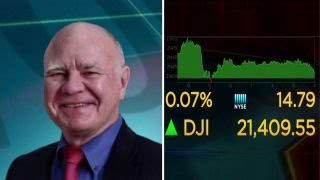
결론: 켄 피셔는 이번 약세장에 항복(capitulation) 국면이 나타나지 않을 가능성이 높고, 경기침체보다는 완만한 성장이 이어질 것으로 본다. 금리 인상 관련: 연준의 0.75%p 인상 여부에는 큰 의미를 두지 않으며, 3개월-10년 금리 스프레드는 이미 올해 내내 확대되어 대부분 반영됐다고 본다. 다만 볼커 시절처럼 큰 폭 인상이 계속되면 투자자가 겁을 먹을 수 있다고 언급했다. 시장 진단: 이번 하락장은 '고스트버스터즈 시장'으로 명명되며, 어디로도 피신하기 어려운 구조라고 설명했다. 장기채는 이 기간 마이너스 수익, 현금은 높은 인플레이션에 취약, 금은 매력 상실, 주거용 부동산은 고가, 달러 강세로 외화자산도 부담이라는 논리다. 과거 비교: 2022년 기준 대형 약세장·조정(5개월 이상 또는 15% 이상 하락) 사례 중 장기채가 크게 마이너스였던 경우는 세 번뿐이며, 그때는 모두 비교적 완만하고 항복 국면이 없었다고 분석했다. 20% 하락 이후 저점까지의 중간값은 1개월 미만, 저점에서 20% 회복까지도 약 1개월 미만이라는 통계를 제시하며 다년간 약세장 가능성은 낮다고 봤다. 경기 전망: PMI 등 선행지표는 양호하며 서비스업 PMI도 견조하다. 유럽은 완만한 성장, 미국은 중간 정도의 성장을 예상한다. 인플레이션은 불편하지만 공급망 문제에서 비롯된 부분이 커 점차 완화될 것으로 보며, 1970년대와는 다르다고 강조했다. 연준이 과도하게 긴축해 불필요한 경기침체를 만들지 않기를 희망한다. 리스크: 중앙은행이 어리석은 정책을 펼칠 수 있고 에너지 충격 등 부정적 사건이 있을 수 있다고 인정했다. 출연자 전망은 확신보다 가능성 위주다.
다듬은 글
now the billionaire famous investor who's known for zigging with other zag what does he make of this the fish investor investments founder and chairman kind enough to join us ken good to have you the the the expectation is we're going to certainly see rates rise tomorrow but do you see three quarters of a point i don't have a clue you know i've never uh believed there was much actual iq at the fed anyway so you know what's the diff uh they'll do what they'll do and i actually think that because the as i've said to you before on your show the three-month 10-year spread has been widened all year long that uh that's whether they go half a point or three quarters it's already basically priced and isn't going to make that much difference now markets tend to respond to a big move and whether it's justified or not i just wonder whether a three-quarter point hike uh and maybe similar hikes to follow it gets people thinking about the paul volcker years in the late 70s early 80s when when he would do that routinely up to a full percentage point or more and that would scare them do you think that would scare them i do think if they get if they keep going and keep going big uh if you know the phrase is kneecapping right i mean if if the notion is that to make everybody feel better you got to kneecap them and put them on the ground so they can rest uh that'll scare them people don't like to get kneecapped i don't think yeah i'm that as a battalion american who's dealt with that issue in the past year i worry about that but it all getting aside again i'm wondering how you look at the markets these days they fell more after falling yesterday you always hear this talk of capitulation where investors essentially say the hell with it i'm out are we at the hell with an amount stage so clearly we are not but i mean clearly you know when i look at my 115 000 clients across the world we are not but sometimes we don't have capitulation with a bottom and i'm increasingly coming to the view that this is a period that will not have capitulation partly because everybody's looking for it but partly because i think this is what i call a ghostbusters market in that you can't go anywhere if you think about it long bonds are negative in this period inflation's up you're going to go to cash you're going to go to bonds gold hasn't had any glitter you really don't want to go into residential real estate because it's been so pricey you can't go into foreign currencies because the dollar's been so strong all year long uh who are you going to call and uh you know you did christmas i'm doing ghostbusters i noticed that i think yours your comparison is better the fact is it's hard to go somewhere number two uh if you go back through all bear markets and corrections that are big defined as longer than five months or down more than fifteen percent you can actually only find three times where you had the bear market and you had long bonds having significant negative returns and all three of those the 1968 70 downturn uh the first little correction uh in 80 before later downturn and then the 90 bear market were all relatively mild in total return and had no capitulation i think that's where we're going but i'm going to make a point that i don't think most people think about it this moment in time and it's just a i think it's an interesting one that i do think people should just naturally think about but i don't think they do we crossed over 20 we closed there official definition of a bear market now you say to yourself once you've gotten down 20 how long is it when you look at historical bears going back to history before you've gotten to the bottom including all of them and then when you're back up to where you're above 20 and the answer which is just simply averages so it doesn't necessarily apply but it's worth thinking about is the median is less than a month really so there isn't long to go with this there isn't long ago any given one isn't necessarily the medium uh but the medians less than a month and then it's less than another month before you're back to where you're up above 20 in fact only a third of a month from the trough until you're back up above now that's a median on average is a little longer right on mean average but it's not a year's event in your eyes it's not looking at the path this idea that we go into a multi-year sort of a bear market funk akin to the 70s you don't see that well kneecapping we certainly could yeah kneecapping and five more terrible things that happened we could but i'm just gonna say pmis are okay like i told you the last time i was on and they've continued to be leading indexes are all right purchasing managers and what they've been up to and that's been pretty robust entering in in services right and a generally there's lots of people looking for the downside inflation is annoying to be sure but the economy in the most vulnerable place in my mind when people say oh my gosh oh my gosh oh my gosh energy energy's going to capsize things as western europe and western europe's economy is growing moderately the u.s i expect to have moderate growth can i be wrong of course i can but the fact of the matter is i'll think yeah this is what people think it is which is the terrible recession with the kneecapping and i think and i hope that after the fed does whatever they do tomorrow they just take a couple of breaths and wait a while and let's see what happens before they do anything that might be too extreme because i don't believe we need to create a recession so if we don't create a recession i mean we remember that we're having some audio difficulty with you and so that's why i jumped on you there but when we when we talk about the 70s experience i i always hasten to add to folks i lit through that as as you did as well i don't see all those similarities the underlying economy right now is much stronger job creation much more robust uh anecdotally we see pac theaters uh packed planes uh packed a lot of things now that could could you know dial back as prices continue to move up but i just don't see that that that comparison justified just yet and importantly absolutely neil and importantly you're in my opinion 100 correct because when we think back on that period it actually started you know from the 50s into the 60s with slowly building inflation that just did a little more and a little more and a little more and a little more and then continued into the 70s until you got into the very painful levels this time we had very very low inflation until last year and then we started going straight on up and a lot of that as i've said on the show for you before a lot of that not all has been caused by supply chain problems which will eventually unwind and this is very different than the 70s but it's still possible that the you know fed and other central banks do really stupid stuff they're good at it they've got experience and training stupid stuff but i think this is a market that's likely to not need capitulation to bottom because there's not a lot of easy places to go the fact is you go into bonds right now what do people expect well they expect if they go into bonds they're going to lose money i could go into cash who wants to go into cash with a high inflation rate that they fear uh who wants to do any of these crypto you mean gypto uh i mean where are you gonna go yeah and so therefore i don't think you get the traditional forms of capitulation and i know for a fact having lived through some and studied some others that you do sometimes get bottoms to bear markets that aren't too extreme where you don't have capitulation in the ways that people think i mean they think capitulation is anarchy pitching of stocks in volume uh the volume in this time period has actually been pretty light all right well watch it very very closely i think between my nike twist the night before christmas theme and and your you know kneecapping theme we we've got something here so i just wanted to leave viewers with that ken fisher very good catching up with you uh ken fisher billionaire investor



Comments 0