
저자: MohamedEl-Erian · 외국인
요약 보기
결론: 엘-에리언은 경제 회복이 V자가 아니라 불확실한 W자 형태의 출렁임이 될 것이며, 주식시장의 낙관은 과도하다고 봄. 경제 현황: 주간 실업수당 청구가 약 300만 건으로 감소했지만 8주간 누적 3,600만 명(노동인구의 약 1/4)으로 여전히 큰 충격이며, 산업생산과 소매판매는 100년 만의 최악 수준 붕괴. 회복 경로: 백악관의 V자 회복 전망에 대해 본인은 바라지만 불확실하다고 답하며, 진자(pendulum) 비유로 새로운 균형점을 찾는 과정에서 여러 번 등락하는 W자 흐름을 예상. 회복 장애 요인: 보건 문제(백신 전 상호 신뢰 부족, 정보 실패), 소비자 신뢰와 행동 변화(사회적 거리두기에 맞지 않는 경제 구조), 사업 재개의 주·국가별 불일치 등 세 가지 불확실성이 동시에 작용. 정책: 미국 정부의 긴급 구제는 필요했고 약 5조 달러 규모 대응도 적절했지만, 이후 2단계로 인프라·노동·소매 재편·사회안전망이 필요하며 그렇지 않으면 저성장과 사회적 긴장이 고착될 위험. 추가 재정 부양의 필요성에는 명확한 수치 제시 없이 관점만 언급. 금융시장: 3월 저점 대비 약 25% 상승했으나 실물경제와 괴리. 시장은 V자 회복과 연준의 자산매입(연준 풋) 두 가지 측면에서 '이기는 베팅'을 하고 있으며 이는 지나치게 낙관적이라고 평가. 개별 기업 선별은 상대적으로 쉽지만 지수 전체 수준에 베팅하는 것은 불안하다고 언급. 리스크: 펀더멘털(기업 수익성)과 괴리된 주가 상승 후 현실이 개입할 가능성, 연준 자산매입 의존 리스크. 출연자 전망: 시장 전체에 대해 낙관 경계, 회복 속도는 불확실하며 변동성에 대비하라는 입장.
다듬은 글
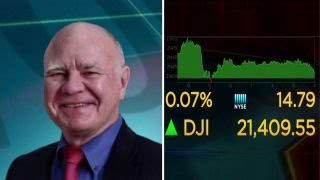
Mohamed el-erian is an influential voice in the financial world he led PIMCO for years running the world's largest bond fund now he's the chief economic adviser at Allianz and he says the economy could look very different as we emerge from the pandemic I sat down with him on Friday mr. el-erian new unemployment numbers came in this week just under 3 million and White House economic advisor Kevin Hassett said while that is a tough number it's an indication that the economy is starting to come back here he is I think the fact that we came in under 3 million suggests that the turning on of the economy is beginning and it's beginning to show up with the data so what we expect now is that claims will continue to decline as the economy turns back do you see the jobs picture getting brighter right now so it will get brighter in the sense that will get bad at a slower rate but we should not forget how bad this picture is with the additional 3 million Chris that is 36 million people have signed up for on topless claims for in 8 weeks that's one quarter of our labor force so it's an enormous shock so the consistent forecasts from the White House is of a sharp steep quick downturn to be followed in a v-shape by a sharp quick rebound here is President Trump or not this week we're gonna do well in the fourth quarter and I think next year with all of the stimulus orders and things we've done I think we're gonna have one of the best economic years we've ever had do you see a v-shaped recovery as the White House is predicting that the economy is gonna come back as quickly and as sharply as it went down I sure hope so but I think it's uncertain and it's uncertain because both the journey to next year and what next year look like are uncertain so rather than think of letters think of a pendulum Chris we were operating in a normal world as you and I defined it we then swung all the way on the other side to a lockdown and now we're gonna swing back and forth trying to find where the new equilibrium is so it's not gonna be a neat Vee it's gonna be more like a series of w's if you like but think of a pendulum swinging and we don't know the magnitude of the swings and we don't know the duration of the swing or the settling point so it really is an uncertain outlook I want to pick up on that because you say people are being naive about how easy it and quick it is gonna be to reopen the economy that we have to deal with health factors and economic factors and even behavioral factors explain what you mean both in terms of this country and globally in reopening the economy so this is the biggest shock we've had for generations and it weighs it's we issue one is the main reason for the shock is health and there's gonna be a long time until you and I trust each other it's what Eric Schmidt calls the information failure it's very difficult for me to convince you I'm healthy and for you to convince me I'm healthy till we get a vaccine so the health issue doesn't get resolved overnight secondly you have shaken consumer confidence you have shaken behaviors our economy isn't wired for social distancing so we're gonna have to discover how to do that and third businesses it's not clear how you we start a business when different states are doing different things and when different countries are going to do different things so we have these three massive uncertainties all in play at the same time and it's very hard to say oh everything's gonna be resolved overnight we hope so but I think we should buckle our seat belt that is gonna get bumpy still well there's another uncertainty and debate and that is over what to do in Washington next Democrats won a three trillion dollar another huge stimulus bill Republicans say let's take a pause and see how the money siphons through the economy that's been approved so far and this week you had Federal Reserve Chairman Jerome Powell say that this has been a real economic shock and we do need more stimulus here he is on that well the economic response has been both timely and appropriately large it may not be the final chapter given that the path ahead is both highly uncertain and subject to significant downside risks do you think we need more government stimulus and if so how much and how quickly so so far Chris we haven't had government stimulus we've had government relief and it's a good thing we've had it and it's a good thing that Washington reacted five trillion dollars worth of reaction because despite that this week also gave us not just a horrible unemployment number but the worst industrial output collapse in a century and the worst retail sale collapse on record so so we are hurting and thank God that Washington has reacted on the relief measures what's important now is not to lose sight that there's a second phase this is not just about winning the war against a global depression and a u.s.
depression this is about securing the peace about making sure that we emerge from this also strong so the next stage has to also focus on key issues like infrastructure labor retailing and retooling safety nets things that are going to be critical if we are to bounce back in a sustainable manner otherwise we're gonna get stuck in a new normal of really mediocre growth and greater social tensions and then there are the financial markets which I think have surprised a lot of people by remaining surprisingly strong in fact the markets are up about 25 percent from their bottom in late March you say that the financial markets are in one universe and the real economy is in a different universe what do you mean they're looking at different things so you and I and the real economy are wondering when do we get to go back to when other stores open again we feel very big disruptions long everyday life the marketplace are saying look that's fine but that's all short-term we look to the long-term and when they look to the long-term they see a win-win hypothesis I think they're too optimistic but let me explain what they see first a bet that we're going to come back quickly the V and if we come back quickly then looking through which is the phrase our hero most this awful period is the right thing to do but they have a second win Chris if we get that wrong it doesn't matter because the Federal Reserve is buying assets and is buying assets with that we never imagined it could buy so there's this sense of comfort that you get to win whatever the outlook I think Chris that it's too optimistic but markets do what they do well I was gonna ask you who do you think the markets as one of the great investors do you think the markets are gonna say stay as strong as they are right now or do you think at some point the two universes are gonna collide and reality will intrude so most of us who think fundamentals are important that ultimately you are betting on company's profitability and you're betting on the viability of a system or courses here and we've had several warnings from really respected investors but I also understand those who say that's fine but you are dinosaurs we are betting on something different we are betting on the Federal Reserve and if you have a printing press in the basement then you can have a massive influence on markets I personally think it's easier to make a relative call between different companies I get nervous betting on the overall level of the market right here Mohamed el-erian thank you so much it is always fascinating to talk to you and to get a little dose of reality thanks so much sir thank you Chris



Comments 0