저자: JeremySiegel · 외국인
요약 보기
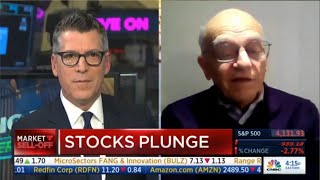
결론: 시장 바닥에 매우 가깝지만 아직 완전히 도달하지 않았다는 견해이며, 단기 변동성은 더 나빠질 수 있다. 밸류에이션: S&P500은 향후 12개월 이익 기준 약 18배로 저금리 환경에서는 매력적이라고 평가했다. 기술주는 15~16배로 매우 싸다고 봤다. 연준 전망: 다음 주 FOMC에서 파월이 매파적으로 나올 가능성이 높아 시장이 이를 소화해야 하며, 추가 투매(capitulation)가 필요할 수 있다고 봤다. 연준이 인플레이션 대응에 늦었다고 비판했다. 통화량: 두 달 연속 통화량 증가율이 둔화된 것은 인플레이션 둔화의 필수 전제지만, 팬데믹 이전 대비 통화량은 약 25% 많고 물가는 약 7% 올라 아직 억눌린 인플레이션이 남아 있다고 봤다. 인플레이션 둔화에는 6~12개월이 걸리며, 당분간 5~6% 인플레이션이 이어질 수 있다고 했다. VIX·시장 신호: VIX가 하루 이틀 40 이상으로 치솟아 마진과 과대평가를 털어내야 한다고 봤다. 과거 2020년 VIX 80 수준 사례를 언급했다. 이미 약 90일의 하락일이 나왔지만 바닥 확정은 6개월 뒤에야 알 수 있다고 봤다. 지수 낙폭: S&P500은 고점 대비 약 13% 하락 상태로 아직 약세장 범위에 못 미치며 추가로 4~5% 더 빠질 수 있다고 봤다. 나스닥은 이미 약세장이라고 했다. 리스크: 연준의 긴축이 경기침체를 유발해 2023년 경미한 침체가 올 수 있다고 봤다. 연준이 수요를 억제해도 공급 측 문제는 해결하지 못한다는 점도 지적했다. 출연자 전망: 장기 투자자는 가치 관점에서 관심을 가질 만한 구간이라고 했고, 단기 트레이더는 변동성에 주의해야 한다고 했다. 사회자 Adam Parker는 장기 투자 관점에 동의했다.
다듬은 글
scott i i like the market long term i mean actually it's 18 times earnings s p is 18 times uh this year's earnings are forward 12 months earnings that's very cheap x tech it's 15 to 16 in a low interest rate environment even with the fed hiking that looks good but i think the fed next wednesday is going to sound hawkish i think powell's going to be hawkish so i think the markets could have to digest that i think there's there might have to be a little more capitulation i would love actually the vix to get above 40 for a day or two to really flush out all the margin and and all the uh uh overvaluation which i think has mainly been flushed out over the last uh nine months six months particularly so i think we're very near a bottom maybe not quite there it's very hard to predict the short run well very near a bottom but not quite there you know it's interesting when you say we we that fed's going to be hawkish and the market's going to this is by these are my words not yours they're going to have to come to grips with that i thought the market already knew what was coming professor so what are we still trying to come to grips with well the the market knows it's going to be cautious most of the journalists who are going to ask questions are going to say hey we have negative gdp aren't you worried about a recession and i think powell's gonna be pretty tough on that rather than saying yeah we're gonna have to look at it and we may have to moderate our increases he's been so behind the curve you know what you have is a pendulum they've been so behind the worry is are they going to stay too tight saying you know listen you know we're not going to get that criticism anymore so i think he's got to show a firm face even though he himself are is saying you know you know our medicine may be getting to work by the way scott let me say you know i look at the money supply we had that report last uh on tuesday and two months in a row we've had a meaningful slowdown in the growth of that money supply and that's an absolute prerequisite for slowing inflation now with all that said you know we have 25 more money in the system even after trend corrected than we did before the pandemic and we've only had seven percent more inflation so i think there's still a lot of pent up inflation that's going to be reported in those statistics and you know the fed is going to be very very sensitive for having started so late so they're going to have to put on a very tough face uh on this but i'm not i was encouraged by the first time since the pandemic that we were actually looking like we're controlling the supply of credit we need many many more months of that moderate monetary growth to really slow down this inflation and honestly i don't think it's going to happen for another yeah 6 to 12 months we're going to be maybe a little lower than now but we're running five and six percent inflation for quite a while professor you know you use the word capitulation and that's that's the word that matters you know for the narrative of where we may go before we feel a little bit better and let's be honest with ourselves too there are a lot of people watching now there's a you know a new cohort that's coming to the market since the pandemic started you know maybe some of them are are still with us um they've never felt that before they don't know what capitulation feels like and they're listening to you and adam and myself and they're saying what are you guys talking about like last friday market was down 900 on the lows and now here we are down more than 900 and we close basically on the lows when do you know you say we're getting close to a bottom when are you gonna know that we're there oh i i i i mean one would have to be uh a true psychic and seer to know the absolute bottom but i don't need you to pick the number but like what is going to be the most telling sign we've already had 90 down days or thereabouts in terms of volume so all of the telltale signs may suggest that we've reached that point but then we get smacked upside the head like we are this friday like we did last right but but also remember it was two years ago in march so you know if you've been in the market more than two years you know the market was on 35 percent from february to the end of march in 20 in 2020 so you know you experience the bear market i think the vix went up to 80.
uh i mean i'm not saying it's going to go that high but that's that's the type of thing that you get in capitulation nor do i say the market's going to go down 35 i don't even think s p is going to get in bear market range what is it down 13 now approximately from the high that's still correct territory nasdaq i know is in a bear market you know i said that last year that i thought nasdaq was going into a bear market i thought s p might barely get there maybe another four or five percent it is so hard to actually pinpoint that low if you're a trader these are the things you worry about if you're long-term investor i think these are values that you become interested in the market at yeah i agree with what he said at the end there that's what i'm kind of pushing you know the longer term investment view i i think you'll know when the bottom was six months after the fact i mean there's no way you can forecast that perfectly so i think you're just trying to you'll get some combination of valuation sentiment fundamentals and i think we're you know the judgment is the risk towards looking i told you today i'm starting to think about these things a little bit more aggressively uh you know we look at the at the gap burning so maybe we think it's a little bit more expensive than the number you throw at 18 but it's it's roughly in that same vicinity of slight premium to long-term history but starting to look pretty attractive so i don't i don't really know um if the only thing i think the uh i would disagree with a little bit is i don't know if the fed is behind or not and what i mean by that and i'd like to talk about this a little bit is what i don't think them raising rates will handle or or really address why we have supply demand and balance obviously you can't deal with the supply but but but they can they can hit demand that's what they but like do you want to hit demand on wheat to the point we get equilibrium because that that that feels you know like the economy will down 25 percent you know so my point i'm being a little bit sarcastic i'm just saying a little bit like you know i i'm not you know obviously he's got the credibility to criticize anybody he wants you know uh dr siegel does but for me i i just tend to think the fed are generally pretty smart and they've been kind of saying maybe we shouldn't raise rates a lot because we're not going to handle some of the things that that causes applied to medical you know professor i keep hearing this view and it's not just from adam that well the fed's going to you know turn a little bit dovish right they don't they're they're not going to put us interesting futures kind of show that i just point out there they rip massively last fall through a couple months ago but you're not seeing the perception about rates accelerate anymore so when i say i think we're near peak hawkishes i'm just talking about the fed fund futures you know but yeah respond tell me tell me why i'm an idiot again i mean it's possible no but but the fed was really behind the curve i mean they should have way started tightening last year uh and and and and now they're getting a lot of criticism and i think justifiably so by not looking at all the credit that was created they dismissed that model i have been harping about that model for over a year they totally dismissed the money and credit that was created and they went on their merry way and and just let the thing get worse than it should have gotten it doesn't mean they won't get it under control they're uh and and that they will eventually but they're putting us through a lot of inflation and they may put us through a mild recession maybe in 23 i'm not i'm not ruling it out to get out of this situation but i do blame them for starting way too late uh in this game um and as much as i respect the people that are on there i think they were not looking at at all the data in their decisions look i i think to a person that the fed chair if if he were sitting here wouldn't be able to really argue with you professor they know that they were behind the curve extraordinarily late i'm sure he's embarrassed and feels bad by it but also in the same respects knows that they have a job to do to make up for whatever deficiency they had in the way that they saw the inflation picture and they sure as heck sound like they're darn ready to do it and that's the key point they're ready to do what they have to do to get what they think needs to be done to get inflation under control and if the stock market goes down as a result of that so be it so be it professor i can't thank you enough for your time this friday we'll talk to you again soon thank you very much thank you all right that's jeremy siegel the professor of course at the wharton school thank you so much for being here 28th have a good weekend good to have you right on set here so we can kick this around an important day all right that's adam parker speaking of


Comments 0