
저자: 모하메드엘-에리안 · 외국인
요약 보기
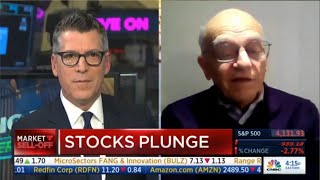
채권시장이 연준을 앞서 경기·신용 위험을 반영하고 있으며, 금리 위험이 대부분 가격에 반영된 뒤 신용위험과 유동성 위험으로 옮겨가는 국면이라는 진단. 올해 상반기는 인플레이션과 금리 위험이 주도해 주식과 채권이 동반 하락했고 60/40 포트폴리오가 손실을 입었다. 최근 몇 주간은 신용위험이 부각되며 주식과 스프레드에 영향을 주고 있고, 주식과 채권 간 전통적 역상관이 회복되고 있다. 가장 우려하는 것은 유동성 위험이다. 6월 발행이 매우 적어 기업들이 재융자를 하지 못했고, 하이일드를 중심으로 자금 조달이 막히는 조짐이 보인다. 유동성 위험이 나타날 수 있는 경로는 세 가지: 주변부 시장(암호화폐·신흥국)의 주류 시장 오염, 어떤 비용을 치러도 자금을 조달하지 못하는 상황이 우량 등급으로 번지는 것, 그리고 리밸런싱 자금 유입이 예상보다 나타나지 않은 점. 미국 금리 상승에도 달러가 강세를 보이며 2002년 11월 이후 수준에 도달했고, 이는 미국 외 성장에 대한 우려와 미국의 안전자산 지위를 보여준다는 해석. 주가 방향에 대한 구체적 단기 목표가나 수치 예측은 없음.
다듬은 글
the bond market talk to me about it your view on this flip-flopping fed and how you think the bond market's going to pick up on their story so again the bond market is leading the fed the bond market led the fed on on rate hikes it took a long time for the fed to recognize that there was an inflation problem that they needed to hike and now the bond market once again is saying whoa wait look at what's happening to the real economy what i find really interesting john is that even though we've had this massive move in bond yields in the u.s the dollar is stronger today we are back at levels that we haven't seen since november of 2002 and what that tells you is that the market is even more worried about growth outside the u.s than it is here and that the u.s is still viewed as a safe haven so this is not just a u.s story but as you read out from some of the quotes this is a global story mohammed this feels like a new phase in this story of the market so far this year it's not the same as what dominated the front half it was painless dogs pain and bonds can you walk me through where you think this new phase in this market ratio is going yeah john and you know i've found very simple construct are really helpful and the simple concept i've had is the sequential move from inflation stroke interest rate risk to credit risk to possibly liquidity risk so the first most of the first quarter was about inflation interest rate risk and there everything sells off unless you are a commodity and you have supply side issues but that's why your 60 40 portfolio was so harmful the minute interest rate risk is mostly priced in and credit risk comes back comes in which is what has happened in the last few weeks suddenly the correlations between bonds and stocks the traditional correlations when the price of one goes up the price of the other one comes down regains its footing and investors have some risk mitigation but then the impact is mainly on equities and on swap on spreads and the one risk i'm really worried about is liquidity risk and we're starting to see markets locked out of funding and keep a very close eye issuance in june was very low companies either were unwilling or unable to refi to refinance themselves so we need to look at issuance and make sure that that doesn't freeze up i was going through some of those numbers on the issuance side and it's pretty dreadful for high yield it's pretty dreadful for other parts of the market as well when you talk about liquidity muhammad can you just put a bit more detail on that some more color are you expecting liquidity problems to be where you'd expect traditionally for there to be liquidity problems or liquidity problems to turn up in places where there should be liquidity so you know on my radar screens are three sets of potential i want to stress potential liquidity strain one is in peripheral markets that somehow contaminate the main markets so far crypto hasn't so far em hasn't but keep an eye on that the second type of risk is simply the unability inability to raise funding at any cost and again we've seen high yield go through this but high yield is less important than if it migrates up the quality ladder and then the final one john which i'm surprised people aren't talking about we would have expected major rebalancing flows by now to help equities and we haven't seen that so is it that they're being offset by outflows or is it that investors are less willing to rebalance in favor of risk asset we don't know but it is notable that we haven't seen the sort of rebalancing effects that you would expect after a quarter like we've seen in the second quarter

Comments 0