
저자: JimRogers · 외국인
요약 보기
짐 로저스 결론: 미국 경제의 진짜 위험은 중국이 아니라 워싱턴(연준과 의회·대통령)의 막대한 부채이며, 미국의 회복은 실제로 이뤄지지 않았다. 중국과 시장 진단: 중국 증시는 작년 상승, 미국은 하락했고 중국 경제가 미국보다 낫다는 주장. 일본·한국·유럽 일부는 침체나 문제를 겪는 중이다. 문제의 출처는 중국이 아니라 워싱턴이라고 봤다. 유가 전망: 유가가 배럴당 20달러까지 떨어질 수 있다고 언급. 소비자에게는 이익이지만 텍사스·오클라호마·나이지리아·카자흐스탄 같은 산유국에는 나쁘다고 설명. 부채와 경기침체: 전 세계 부채가 지난 20~30년, 특히 최근 8년간 급증해 경기 침체 위험이 크다. 미국 정부의 회복 발표와 고용 통계는 신뢰하기 어렵다는 입장. 미국 부채 전망: 부채를 줄이는 것이 처방이지만 고통이 클 것이며, 결국 시장이 더 이상 빌려주지 않겠다고 강제할 가능성이 높다고 예상. 투자자 조언: 특별한 종목 조언은 없고 'Newsmax를 보고, 알고, 걱정하고, 대비하라'는 일반 조언에 그침.
다듬은 글
if you and I had a dollar for every time we heard the term global economy...
이 문단은 영어 자막이므로 영어 원문을 다듬어 드립니다.
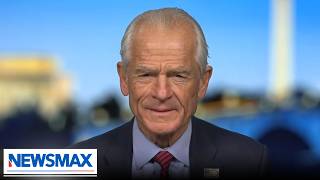
If you and I had a dollar for every time we heard the term "global economy," we'd be a lot better off than we are now. Certainly in the case of China, we've been talking about a close alignment with the US, and the saying goes that when China sneezes, the United States catches a cold. Well, I don't know so much if it's China, but I do know that in these global markets, investors in this nation are feeling ill, or perhaps indeed ill for more than a day. We're very pleased to be joined by financial commentator Jim Rogers. Jim is the creator of the Rogers International Commodities Index and co-founder of the Quantum Fund. He is Skyping in from Singapore. Jim, it is good to have you here tonight on the East Coast on Newsmax Prime. Good evening, JD.
I'm delighted to be here. Of course, while it's evening on the East Coast, it's early morning in Asia, and we have been taking a look at the world markets. Although amid the so-called gloom and doom of China, the Chinese market yesterday actually closed up a few points, and as I referenced, trading is just getting underway there now for Wednesday. But as I understand it, Jim, you say China is not the culprit for the latest market woes. If China is not to blame, who is? Well, the Federal Reserve in Washington, DC, if you want to get to the main culprits, and the Congress and the President of the United States, who have run up staggering debts. JD, the facts are: China's stock market was up last year, America's was down, and the Chinese economy has been much better than ours. China's partners are having problems. Japan is in recession, Korea is having problems, and many parts of Europe are having problems. You've got to blame somebody. Blame other people, it doesn't matter. We're all going to have problems, but it's certainly not emanating from China. It's emanating from Washington, if there's a single source.
Well, we would agree on problems with the Federal Reserve and breakneck spending in our federal government, but I'm interested in something else happening in this global economy. A lot of people are taking a look at oil markets, and while prices at the pump go down, a lot of folks driving in the United States say that's a good thing. In terms of market structure and where we're headed internationally, oil prices lowering, again perhaps falling as low as $20 a barrel, would be a bad thing. Why is that?
Well, it depends. If you consume oil, it's a good thing. If you produce oil, it's a bad thing. If you're in Texas or Oklahoma, it may not be such a good thing, or Nigeria or Kazakhstan may not be such a good thing. Normally, JD, lower oil prices help consumers, and people who consume. Unfortunately, as I said before, there's staggering debt now all over the world, which keeps getting higher and higher. So some of the things that should be helping us are burdened by this staggering amount of debt that the world has taken on in the last two or three decades, especially in the last eight years. That staggering debt leads to reeling and rumbling, and I guess recession.
Have we ever really emerged from recession over the past few years, and are we just going to stay in a prolonged recession? JD, don't you believe the United States government? They say everything is fine. Not the way they keep scoring. Jim, that bunch from Chicago counting the votes is messing with unemployment numbers, and I have my own doubts, having been part of that government. I'll tell you that. Well, you know as well as I do, and every viewer knows, that the American recovery, supposed recovery, is not there, not the way Washington says it is. Part of the reason is the staggering debt, which keeps going higher, not lower. So it sounds, with a minute and a half left, like the prescription is to eliminate the staggering debt. But have we in the United States reached the point of no return, or do we have a chance to turn around this ship of state and write the course? I would love to think we do, JD, but it's going to be very, very painful if and when we do it.
One thing that's probably going to happen is the market's going to force us. The market's going to say, "We're not going to lend you any more money. We don't want your garbage anymore." At that point, it's going to be extremely painful. It would be nice to think that we could all sit down and realize we've got to do something now. Nobody likes to take the pain, and trying to avoid pain is... Is there any short-term advice, Jim? Just fasten your seatbelt, or what should investors be doing in the 30 seconds we have left?
Watch Newsmax, be knowledgeable, be worried, and be prepared. Amen. And I like that first bit of the prescription. Watch Newsmax TV. Jim Rogers, Way Around the World, in Singapore, sir, we thank you tonight on the East Coast, tomorrow morning where you are, and we look forward to the chance to visit with you again real soon. Thank you, JD. Bye-bye, take good care.
So you heard what Jim had to say. Not exactly coming up roses, but not gloom and doom entirely. Can we get a handle on our debt? Will we? What do you think? We'd love to hear from you. Why don't you send your comments to me at newsmaxtv.com/comments. There is more ahead, and like Jim said, you keep it here on Newsmax TV for more of Newsmax Prime.



Comments 0