저자: TristanCooper-영상은MichaelBurry트윗을해설 · 외국인
요약 보기
Alphabet이 100년 만기 채권 발행을 추진한다는 블룸버그 보도를 Michael Burry가 1997년 Motorola 사례에 비유해 경고. Motorola는 100년 채권 발행 후 쇠퇴했다는 주장. 한편 Alphabet은 2026년 자본지출 연 1500억 달러 이상(2년간 3000억 달러 가능성)으로 현금 126억 달러 대비 자금조달 필요. 주가는 105달러→139달러 수준으로 상승 중이나 AI 설비 감가상각 가능성(10-K 문구 변경)도 위험요인으로 지적. 영상 결론은 Alphabet 리스크 경고이나 명시적 가격 방향 예측은 없음.
다듬은 글
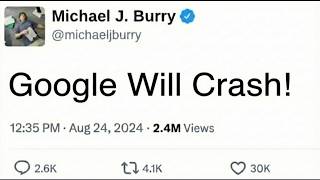
Michael Bur has just sent a warning to Google stock investors. He tweeted that Alphabet is doing something similar to what Motorola did in 1997. I don't know if you know what happened to Motorola stock post 1997, but it basically went nowhere for a long long time. I lost 20 years almost. So let's see exactly what he's saying and if this great crash that happened to Motorola will happen to Alphabet now.
He tweeted, "Alphabet looking to issue a 100redyear bond." So, he's actually talking about what Bloomberg just reported on. Bloomberg said, "Alphabet plans to sell a very rare 100red-year bond as part of its mega debt issue in the first sale of such a longdated debt by a technology firm since the late 1990s.
The 100red-year bond will be denominated in sterling along with four other tanches in the currency. According to a person familiar with the matter, the deal, which is Alphabet's debut sterling sale, could be priced as early as tomorrow, the person added, asking not to be identified. It marks the first debt sale with such an extreme maturity by a technology firm since Motorola sold this type of debt in 1997.
According to data compiled by Bloomberg, the market for 100-year bonds is dominated by governments and institutions like universities with potential acquisitions, outdated business models, and technological obsolescence, making such deals a rarity for corporates. So, that's big news. Alphabet plans to sell a very rare 100-year bond.
Now, let's see what Bur said about this, and this is where things get interesting. He said, "Alphabet looking to issue a 100red-year bond. Last time this happened was Motorola in 1997, which was the last year Motorola was considered a big deal. And he's actually right on that. Like, who cares about Motorola anymore?
I haven't heard about Motorola yet in probably like 20, 30 years. He said at the start of 1997, Motorola was a top 25 market cap and top 25 revenue corporation in America. Never again. The Motorola corporate brand in 1997 was ranked number one in the US ahead of Microsoft. It was ranked ahead of Microsoft.
In 1998, Nokia overtook Motorola in cell phones. And after the iPhone, it fell out of the consumer eye. Today, Motorola is the 232nd largest market cap with only 11 billion in sales. So basically, since it issued its own 100red-year bond in 1997, it just collapsed and the company became almost irrelevant.
And now Alphabet's doing a similar thing. They plan to issue their own very rare 100-year bond. So the question obviously comes, well, is Alphabet just going to turn out like Motorola and just crash and eventually fade into nothingness? Well, if you look at the stock price, it's doing the opposite. You know, it's at the peak of their power, basically.
Look, look at the stock price. It's gone up 194% from $105 to $39. So, stock price is not saying this. Stock price is saying everything's at their peak. Look at fundamentals. This is net income. Net income isn't really saying this. Net income went from 76 billion in 2021 to 132 billion in 2026. So that's basically doubled in in income and sales just been going up to from 250 billion to 400 billion.
So they basically growing revenue at around 15 to 10% and they're growing net income by even more between 30 to 20 to 15%. So everything just on paper looks very high growth. But then they go and make a decision to spend a lot of money on capital spending to surge. It says Alphabet's capital spending is set to surge in the AI race.
If you see, look, look at this. 2026 they're expected to spend over 150 billion. In 2027, again, over 150 billion. So, in 2 years, it looks like they're going to spend 300 billion in capex in AI. Now, in order to do this, they need the money. If you look at their balance sheet, well, they've only got 126 billion in cash.
So, they if they're going to spend 300, they need to raise money somehow. So, how are they raising money? They're issuing a very rare 100red-year bond. But this is where the warning comes into play. What Michael Bur is basically suggesting here isn't that Google, the business, will, you know, collapse just all of a sudden.
It's more of a historical warning about dominant companies issuing ultra long-term debt. and what that sometimes signals. So, when Alphabet considers issuing a 100red-year bond, it can imply that the company is extremely mature and stable now. It can imply that growth opportunities may be slowing. It can imply that management feels comfortable locking in somewhat cheap financing for the very long term.
So, Bur's argument is historically some companies did this near their peak dominance, not during early growth. When you think about it, you don't really see high growth startups, new companies issuing these type of bonds. Amazon didn't do it at the start. Apple didn't do it at the start when they were growing.
It's more when a company gets quite mature. And these 100red-year bonds, yeah, it can look quite attractive. Like, look at all this money we're going to get. But it does carry some downside risks. And here are some of the main ones with issuing this bond. One is you have locked in payments for a whole century, a hundred years.
So, if a company like Alphabet issues a 100red-year bond, it must keep paying interest for decades. It's obligated to. It means that future management inherits that obligation. Anyone who's who's managing the company has to do it. Even if the business model changes, if any changes happen in the business, the debt still stays.
You still have to keep paying that, paying that, paying that to the bond holders. You've also got an opportunity cost if interest rates fall. If rates drop later, the company is stuck paying higher interest. Refinancing may not be possible without penalties and new competitors could potentially borrow cheaper.
So what seems cheap today may look expensive later. And you've also got just reduced financial flexibility. Very long-term debt can limit future borrowing capacity, can affect credit ratings, can restrict strategic pivots or acquisitions. So it reduces future optionality. And this takes us to Mo Motorola in 1997.
You know, in the late 1990s, it had a huge brand. It was a top market cap company, a top revenue company. It was even ahead of Microsoft in brand ranking at this point. It was dominant in mobile phones. And then it issues the 100red-year bond. And then following that, what happens? Nokia overtook them in basic cell phones.
Later, smartphones led by Apple changed the industry as we all know in 2008. Following that, Apple just dominates and Motorola kind of faded from at least the mainstream consumer relevance. I mean, no one really hears about Motorola anymore. I barely do and I'm pretty big at following the what's happening in stocks, what's happening in companies and I don't even hear about Motorola.
So, what is Buri saying by this tweet? He's saying that tech dominance is not permanent. Innovation cycles can shift quickly. A up with AI, you know, platforms or regulations can reshape the way search and ads form. Even Chhat GBBT might take over from Google. And this capital structure can signal maturity of a company.
Ultra long-term bonds sometimes appear when growth slows. In history, we know it doesn't repeat, but it does rhyme. And yesterday's giants often look untouchable until they collapse. He also sends another little bit of a warning to Alphabet investors. This is what he said. He said, "2025, 10K released this A.M., Alphabet changed its wording and specific methodology both in its risk factor section section and its property and equipment useful lives description.
It now includes historical asset performance and expected technology developments. The latter a more formal rephrasing with a different proactive connotation. What he is pointing out here is that Alphabet may be quietly acknowledging that its massive spending on AI servers, on chips and data center equipment could become obsolete faster than if expected.
If that happens, the company would have to write down those assets sooner, which reduces reported profits and suggests the AI boom might not be as financially solid as investors assume. The deeper risk that he's hinting at is that tech companies could be overinvesting in AI infrastructure, inflated earnings now, while future cost and depreciation are being underestimated.
Something he thinks could resemble past market bubbles flagged in filings with regulators like the US Securities and Exchange Commission. So these are just some of the problems that we see with Google stock. Even if from the outset everything looks all fine and dandy and almost


Comments 0