저자: 미상 · 외국인
요약 보기
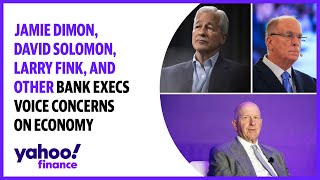
결론: 다보스(사우디 리야드 회의 포함) 금융·기업 리더들의 전반적 톤은 비관적이며, 지정학 리스크와 통화정책 불확실성이 주요 우려다. 인용된 발언 요지: 브리지워터 레이 달리오는 통화정책 효과가 세계에 더 크게 미칠 것이라 낙관하기 어렵다고 언급했다. 씨티그룹 제인 프레이저는 이스라엘 테러 공격 등 최근 사건으로 다소 비관적이라고 말했다. 블랙록 래리 핑크는 이스라엘·우크라이나 전쟁이 해결되지 않으면 사회 불안과 경제 위축으로 이어질 수 있다고 경고했다. 골드만삭스 데이비드 솔로몬은 M&A 시장의 불확실성을 지적했다. JP모건 제이미 다이먼은 중앙은행, 특히 연준의 예측이 지난 18개월간 크게 빗나갔다며 2024년 전망에 신중하다고 말했다. 주요 리스크 요인: 중동 긴장 고조, 연준 정책 경로, 미국 대선이 정책에 미칠 영향이 언급됐다. 유가 측면: 사우디와 러시아가 연말까지 자발적 감산을 연장해 인플레이션 압력이 될 수 있다고 진행자가 짚었다. 미국 정치 리스크: 하원의장 공백으로 이스라엘·우크라이나 추가 지원 승인이 막혀 있다는 점이 언급됐다. 추가 리스크: 탈세계화 심화에 따른 소비심리 악화 가능성, 차기 미국 행정부 정책(관세 재론 가능성)이 기업 부담 요인으로 제시됐다. 대상 자산(삼성전자, 엔비디아, 금, 비트코인 등 개별 종목·지수)에 대한 구체적 가격 방향 예측이나 목표가 발언은 확인되지 않았다. 출연자 전망: 명시적 시장 방향 전망은 없고, 전반적으로 경기 및 지정학 리스크에 대한 신중한 시각이 공통적으로 나타났다.
다듬은 글
let's get you the market commentary of the day and it's the latest that we're hearing from Executives they're feeling feeling a bit more pessimistic about where the economy is heading we've got some fresh commentary out of a conference in Saudi Arabia down out of Riyad here today now Bridgewater Associates founder Ray doio saying quote if you take the time Horizon the monetary policies that we are going to see will have greater effects on the world it's difficult to be optimistic about that we also from City Group CEO Jane freezer echoing the similar tone here saying that she believes quote we're sitting here with a backdrop of the terrorist attack in Israel and the events that have unfolded since and it's desperately sad so it's hard not to be a little pessimistic at this point in very similar tone when you take a look at pretty much most of the commentary that we're getting there from the conference black Rock's Larry f saying that the wars in Israel and in Ukraine if they're not resolved it will lead to far greater uh fear and insecurity less hope in society when there's less hope we see contractions in our economy Goldman's uh David Solomon was warning just about the uncertain market right now for m&a and where exactly that is headed and then Jamie diam also brought up the fact about the forecasting here from central banks from the FED has been so wrong over the last 18 months that that could then lead to some humility and we were taking into account the outlook here for next year but Diamond saying that he is cautious about what is going to happen when you look ahead to 2024 so I think it's a number of factors we just mentioned the escalating tensions in the Middle East we know obviously fed policy as well then you also have the elections here in the US how exactly that could shape policy going forward certainly clouding I think the outlook for many of these top leaders yeah I think you did an excellent job of laying out what's taking place at Davos in the desert as they call it but ultimately here the the tone as many Executives have noted as you were mentioning and and they are apt to really note what's taking place internationally what the conflict is and cite that and and name it while they are there but also I think I think there's something larger too that they also have to remember and consider here I mean they're sitting in an area where Saudi Arabia and Russia they've already extended voluntary oil Cuts until the end of the year here and that is another inflationary pressure that all of these economists Bank CEOs people who are speaking and monitoring where those oil prices are also putting pressure on the inflationary picture internationally where that continues to need to come up in conversation and where there is at least a furthering of where some of that can Abate in the future um but that is I think another kind of outlier discussion that needs to take place and perhaps one where we'll get a little bit more color either coming after or perhaps while uh things are continuing to go on in that Davos and the desert meeting but there was of course question mark for a lot of these Executives as of whether or not they would actually even go for those that have showed up will'll see what they see as the kind of return on investment of their time while they too yeah there was lots of questions just about what attendance was going to look like at least in terms of what we have heard uh as of late it doesn't seem like there were many cancellations lately given the fact of the escalating tensions that's happening right now in the Middle East following hamas's attack on Israel but when you take into account also just what they're saying more broadly speaking right about geopolitical uh policy right now geopolitical tensions how exactly that could weigh on the economy obviously it's always been an issue clearly but really that has been brought in the Forefront here over the last couple weeks given the fact that obviously also how it's playing out down in Washington too we have we don't have a speaker of the house the house not able to approve a potentially more Aid going towards Israel going towards Ukraine so certainly a number of factors that these Business Leaders are pointing out over in Saudi Arabia just about what are the potential drivers for the market for the broader economy here going forward right and three big impacts just as we end this conversation to number one we talked about the Commodities impact and that potential there on oil but then Additionally you think about what consumer sentiment especially if coming out of this meeting and you see more of a a deglobalization that transpires even further that's another risk but then also here for all of these businesses and for the CEOs that have continued to site geopolitical tensions as some of their top concerns at least over the course of this year and how that permeates into next year it's also going to have a larger implication as of who is the next CEO of the United States and what their policy will be and that could take us back to the entire tariff conversation too which is another head wind pressure that many of these business CEOs would need to think about as well here




Comments 0