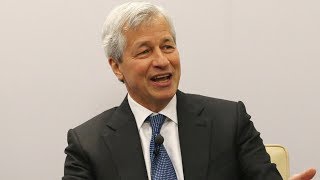
저자: JamieDimon · 외국인
요약 보기
현재 결론: 디몬은 지정학·무역 리스크가 경제에 실질 영향을 준다고 보지만, 미국 소비와 기업 신뢰는 여전히 견조하다고 평가했다. 지정학·무역: 중국과의 무역 갈등은 심각한 문제이며 기업 신뢰와 설비투자를 일부 위축시키고 있다고 진단했다. 6월 말 G20 오사카에서는 관세를 일단 유예하고 협상팀이 합의를 모색하는 정도를 기대하며, 최선이 연말 합의 가능성이라고 말했다. 미국 경제: 소비자는 강하고 대차대조표가 양호하며 가계 형성과 임금(특히 저소득층) 상승이 이어지고 있다. 소비자 신뢰는 매우 높지만 무역 우려로 기업 신뢰가 흔들려 설비투자가 줄었고 경기에 부담이 될 수 있다고 봤다. 주식시장: 시장은 때때로 설명하기 어렵게 움직인다고 답했으며, 사상 최고치와 지정학 리스크가 공존하는 상황을 명확히 해석하지 않았다. 은행 사업: JP모건은 전국 지점을 확장 중이며 하루 약 100만 명이 지점을 방문하고 디지털 고객은 5천만 명이라고 밝혔다. 지점은 자문 인력 중심으로 바뀌고 있으며 증권 무료 매매, 로보어드바이저 등 서비스를 확대한다. 소비자 부문은 전체 사업의 40~50%이며, 투자·예금 합산 8,000억 달러 규모로 점유율을 늘리는 것이 목표다. 중소은행: 대형은행은 규모의 경제 이점이 있으나 지역은행도 저비용과 지역 전문성이 강점이라고 언급했다. 중간 규모 은행들 사이에서 합병이 늘어날 것으로 전망했다. 학자금 대출: 학자금 대출은 문제가 있으며, 정부가 2010년 이후 1조 달러를 부실하게 대출했다고 비판했다. 대학의 책임을 강조하고, 탕감은 실제로 필요한 계층에 한정해야 한다고 주장했다. 샌더스의 월가 과세 방안(주식 50bp, 채권 10bp)에 대해서는 명확한 지지 없이 세금 설계는 정치권의 몫이라고 답했다.
다듬은 글
Welcome back to Wi-Fi AM at Yahoo Finance. We've got our editor in chief Andy Serwer sitting down right now live with JP Morgan Chase chairman and CEO Jamie Dimon. Andy? Thanks Dan. That's right. I'm here with Jamie Dimon, JP Morgan Chase CEO. Jamie, nice to see you. Thrilled to be here. So, we're in this new flagship branch of the bank and I want to ask you about that.
But first, I've got to talk to you about the stock market because we're at record highs and yet we have a trade war with China, tensions in North America with trade and with Europe. And now we've got this simmering dispute with Iran. So, if the market's so high and there's so much trouble, how do you reconcile those things?
though. We're going to come back to the branch, of course. the the the market sometimes is inscrutable. But if you actually look at geopolitics, they really affect the global economy. They could, you know, these things get worse, but they really affect the global economy. I think trade is serious. So, you have the United States, for example, is a very strong consumer, good balance sheet, household formation, wages going up particularly low end, consumer confidence very high, and business confidence has been very high, but it's been rattled a little bit by trade.
So, we've seen a little bit of business confidence drop, business investment drop, people are worried about the supply lines and I think that may be hampering the economy a little bit. So, it's kind of a tale of two cities. And consumer confidence is down a little bit today. a little bit, but still quite high.
Right. And so, you know, how those two things collide and what affects what, I I don't really know. The better thing is to have a deal in China. There are serious trade issues, you know, so we all want the president to deal with the issues seriously, which he's been doing. A resolution would be good, but we don't expect a quick resolution at this point.
What do you expect out of the G20 in Osaka later this week, Jamie? I think the best you can expect is that they have a good meeting, that they start renegotiating, that the tariffs are off for now and give the teams a chance to negotiate a deal, which may be, if you're if we're lucky, it could be done by the end of the year.
So, let's talk about this branch. I mean, obviously, you guys have invested a lot here. Um, but I thought that all banks were doing was shutting branches down. And yet, you know, this is a whole new way of doing banking for consumers. People in business should always look at facts. Okay, we have a million people a day visit branches.
So, millennials are doing it less, they're still doing it. We've got 50 million people on digital. We've got 21 million different customers a year going to a branch. These branches support local small businesses, they support middle market companies, they support consumers. So, and these new branches are great.
So, we started this whole expansion, five 400 new branches in 20 major cities right at the heart of some of our competitors in some cases. And we're we always we love new formats. But this format is meant to be a flagship branch and a community center. So, that when the people come here, those who come here think we have something called Chase Chats.
So, you can come here for a small business or individuals to learn about investing or starting small businesses. You know, we'll have community groups come in and talk about some of the things we do to help affordable housing. So, we hope that these things will be just great for for JP Morgan Chase and we're thrilled to be on the expansion trail again.
I mean, it's very experiential, right? Isn't it? The expansion trail is thousands and thousands of jobs. Right. We'll talk about those too. And and the new branches, you know, in DC, Philadelphia, Boston are actually doing quite well. It's early, but they're doing quite well. So, it's very experiential and I want to ask you then, how does that dovetail with those 50 million online customers?
I mean, is it either online or these super branches, nothing in between? No, most people No, actually, we we try all these different formats and over time those will change. And obviously, these formats have more ATMs, less tellers, more advisors, private client advisors, small business advisors, mortgage advisors.
So, the advice part is going up, the operational part is going down. On average, the branches get smaller. This obviously is not one of the smaller ones, but on average they get smaller. But you got to remind yourself, people the average customer visits branches, uses the call centers, and does digital.
They do all of it and we do more for them. Bill pay online, you can if you are a Chase customer, a good customer, you can buy and sell stock for free. You're going to get robo investments, which is really good. We'll give you guys advice and stuff like that, help you save for your kids' futures and we're coming out with new products and new services all the time.
That so, people are using them more, not less. Over here, they've got a piano. Not people can see that, but you know, that's pretty cool, too. You going to go play a tune? Yeah, maybe. Yeah. Um, so, I want to ask you about the business mix because obviously, consumer is a huge part of what you're doing.
I mean, it's almost what, 40 to 50% of the bank's business is consumer. What is the mix going to look like say, 5 to 10 years from now? I hope our share goes up every year. And we're going to fight, you know, in the trenches for every customer by better products, better services, better technology and more things.
Like so, you know, we've been growing both investments investments and deposits combined $800 billion. We're we're gaining share in both those areas and we're just rolling out some of these new products. We just have something coming out called Chase Offers, like free credit you can get your credit score now.
You can go on and we're going to take you on a journey about how to improve your credit score. We don't even market it, 19 million people use it already and a lot of people use it all the time. So, we can help you improve your financial your financial life by something like that, which we just give you for free.
So, we're finding a million ways to help our customers do better and hopefully we'll earn more and more of their business. Remember, 25% of the business that takes place in these branches is small business. Small businesses need help, they need to come by and drop off coin and currencies and sign things, etc.
So, we so we support both. Do banks like JP Morgan Chase have sort of an unfair advantage though, Jamie, over smaller banks at this point because you need that scale and the capital to invest in technology to be able to succeed and attract and retain consumers? there's definite kinds of scale. That's true in most businesses, but remember, some of the smaller banks, community banks, they also have other things they can do.
They have very low costs. They buy some of these services from third-party providers and they also have you sometimes you have unique experience with the small businesses there, the real estate there. So, they could they could do a great job. But you're going to I think you're going to see some more in the middle merge to try to get some of those economies of scale.
Right. Back to some news. Yesterday, Senator Bernie Sanders introduced a plan where he would wipe out student debt essentially by levying a tax on Wall Street, 50 basis points on equities, 10 basis points on bonds. What do you think about that plan? So, the first of all, is there an issue with student debt?
There is. And but you got to stop the creation of bad debt. So, look what we do with student debt. The government took it over in 2010. They've lent out a trillion dollars irresponsibly and now they want to forgive it. Okay? And now you universities, half the kids don't graduate, it takes 6 years. Universities should feel more responsibility.
So, if you're going to make loans, make make good loans that people need to get them to where they're going and get them good jobs at the end. The other thing is a lot of people get those college degrees, they they don't need help. The the people who need help are the inner city school kids, the kids who want to graduate in high school, you know, some of the kids in community college who need Pell Grants and stuff like that.
So, you should if you're going to help people, make sure you direct it to those who really need it. How you pay for it, you can debate it all day long. You know, financial tax will be paid for by investors at the end of the day. So, do you [snorts] support the plan? No, I I think they should look at all parts of student lending, fix the broken parts and then forgive those people who need forgiveness and then help people get into school and then make sure the schools are responsible in getting the kids out.
What we've done is a disgrace and it's hurting America. We see it it's hurting household formation, mortgages, etc. How they go about taxing, I'll leave that to the politicians to figure out. All right, Jamie Dimon.




Comments 0