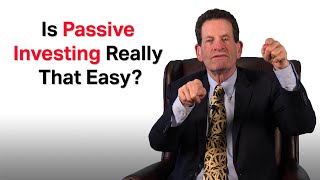
저자: KenFisher · 외국인
요약 보기
결론: 패시브 투자는 좋은 전략이지만 실제로 끝까지 지키기는 매우 어렵다. [패시브 투자의 정의와 장점] 패시브 투자는 저비용 인덱스를 사서 보유하는 것이다. 이렇게 하면 대부분의 투자자보다 나은 수익을 얻을 수 있다. [투자자 행동의 문제] Dalbar 연구에 따르면 S&P 500 인덱스를 20년간 보유했다면 연평균 8.2%를 얻었을 것이지만, 실제 투자자들은 잦은 매매 타이밍 실수로 연평균 3.2%에 그쳤다. 이는 예외가 아니라 일반적인 현상이다. [패시브 vs 액티브의 착각] 인덱스 상품 간 이동(예: 1990년대 말 S&P 500에서 나스닥으로 이동)은 여전히 액티브 결정이다. 패시브 상품을 쓴다고 패시브 투자자가 되는 것은 아니다. [투자 적중률] 가장 뛰어난 투자자도 약 70%만 맞힌다. 중요한 것은 틀렸을 때 감정적으로 무너지지 않는 능력이다. 틀림은 연속해서 몰려오는 경우가 많다. [실천 방법] 장기간(예: 20년) 방치할 수 있는지 자신을 점검하고, 신뢰하는 사람에게 약속을 공표해 매도 충동을 억제하라는 제안을 했다. [결론적 메시지] 좋은 투자는 특정 종목 선택보다 자기 자신을 알고 통제하는 능력에 더 크게 좌우된다. [출연자 전망] 특정 자산에 대한 1~3개월 가격 방향 예측은 없고, 장기적인 투자 원칙만 강조했다.
다듬은 글
passive investing can be perfectly fine if you can actually do that but it's very emotionally hard to do that over time on a sustained basis which is what you need to do necessarily to be a passive investor you have to actually be passive yourself not just on passive instruments most people can't do that with all the scary thoughts in the world and all the times there's optimistic thoughts a lot of people will tell you that passive investing is good and easy I'm going to tell you passive investing can be very good it's really not so easy and it looks easy but there's a lot of things in life that look easy that actually aren't easy to do and I'd like to take you through a little bit of that briefly if I may this comes directly out of my book debunkery that had a little chapter on the fact that passive can be a fine thing to do but it's not easy to do for almost anyone now first if you're being passive what does that mean it means basically buying a low-cost index and then holding it and if you do that you will do better than most investors because you'll get the index return less whatever the costs are associated with owning that index and most investors do all kind of stupid stuff all the time and do much worse than the indexes the fact is passive investing can be perfectly fine if you can actually do that but it's very emotionally hard to do that over time on a sustained basis which is what you need to do necessarily could be a passive investor you have to actually be passive yourself not just on passive instruments most people can't do that with all the scary thoughts in the world and all the times there's optimistic thoughts great opportunities ahead horror and fear ahead so let me just take you through that historically you can measure and they've been done lots of times lots of ways that most investors most of the time will in and out at all the wrong times I know that's not you you would never do that but most investors do in that book debunkery some years ago I cited a famous study from an organization called dalbar that looked at a 20-year history of S P 500 passive returns and the Flows In and Out of them from its shareholders now the S P 500 passive index is a the archetypal low-cost Index Fund and there's nothing wrong with it perfectly fine tool it does deliver the returns of the S P 500 less a tiny fee and if you could hold it all those years you would have gotten ending in the period of the bear Market of 2009.
you would have gotten an average annual return of 8.2 percent but the actual holders because of their inning and Outing at wrong times did five percent worse getting an average return to 3.2 percent I just want you to see that that's normal that's the rule not the exception why is it so hard to do well because of all those scary things but take for example in the late 90s as we had the Boom in tech stocks in what was otherwise a bull market all kind of people said I should get out of those boring normal stocks and be in high-flying tech stocks that isn't passive that's active using passive instruments I'm going to go from the S P 500 to NASDAQ the ones passive the other's passive but moving from the one to the other is an active decision as you make that move you got to say are you a great Market timer because if you're a great Market timer you need no advice from me about pretty much anything the fact of the matter is there's today unlike when you've had the very first passive index funds in the late 1960s early 1970s a very wide array of passive Vehicles you could choose from and in all of those passive arrays both mutual funds and ETFs exchange traded funds you have a wide array of costs because typically the more esoteric they are the larger the cost associated with owning them but you could do small caps small cap value foreign countries this is that's the other there is such a tremendous tendency to buy a universe and then when these categories lag get out of them and get into ones that perform better just before those start to lag and I know you would never do that but most people do in my only three questions book uh many years ago I wrote about a fact it was true then it's true now most people are wrong more than they're right in investing the greatest investors of all time the most legendary ones are only right about 70 of the time what makes them so good is that when they're wrong they actually don't have that make them do stupid stuff it doesn't impact them into doing something crazy if you are right 70 of the time you're wrong 30 percent of the time and to become that you got to be perfectly comfortable being wrong a lot and that wrong tends to come in clumpy periods so you're wrong and wrong again and wrong again and wrong again before you're right and you gotta not you cannot be so upset being all that wrong that it drives you off into doing something most people don't have that fortitude most people end up doing something when the thing has been going against them for a little while and that's why passive which is a perfectly fine thing to do passive tools are perfectly fine it's very hard for people to do you yourself have to set it and forget it for decades most people can't do that few people can you if you want to think about being a passive investor which I think is a fine thing to think about need to really look inside yourself and say can I buy and just sit there and leave that thing alone and not even think about fiddling with it for 20 years and then I suggest to do this deal find somebody that you trust completely spouse sibling best friend I don't care who it is and tell them about all this and then make yourself a solemn vow that somehow you associate with that passive instrument that you've invested in and before you allow yourself to ever sell it you have to go to them and say remember I promise to you that I would not sell this for 20 years well now I think things are different and I want to sell it and what do you say to me and you've already trained them to say you're not going to sell it for 20 years but you know what most people will go ahead and sell it anyway I want you to think about who you are because in reality being a good investor is actually as much about knowing who you are and controlling yourself more than actually the specific things you invest in and that's true whether you're an active investor buying stocks or whether you're a passive investor or bonds or anything else or whether you're a passive investor buying index funds thank you very much for listening command I hope this was useful for you



Comments 0