
저자: Dan—출연자명시없음,채널진행자단독발언 · 외국인
요약 보기
마이크로소프트가 2026년 연초 대비 15% 이상 하락했지만, 빌 애크먼의 퍼싱스퀘어가 21억 달러 지분을 신규 매입한 점을 근거로 저평가 장기투자 기회라고 주장. 근거: Azure 성장률 40%, 매출 830억 달러(+18%), ROIC 약 30% vs WACC 약 8%, 영업현금흐름/매출 43%, 선행 PER 약 21배(5년 중앙값 34배 대비 할인). 설비투자 1900억 달러 우려와 소프트웨어 종말론은 과도한 공포로 평가. 장기 보유 관점을 제시.
다듬은 글
Microsoft has had a brutal start to 2026, dropping over 15% year-to-date. While the broader market was pushing to new highs, the world's most important enterprise software giant was quietly sliding into a massive correction. Investors got spooked by fears of a software apocalypse, massive capital expenditures, and rising AI competition.
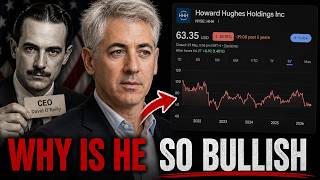
But while the retail crowd was panicking and dumping their shares, billionaire value investor Bill Ackman was quietly loading up his shopping cart now. Pershing Square just disclosed a brand new $2.1 billion stake in Microsoft, making it a top holding. In this deep dive video, we are going to examine his entire investment thesis in absolute detail here, right now, today.
We are going to dive deep into the real numbers behind Microsoft's valuation, look at their incredible profitability, and discover why this temporary drop is actually creating one of the most compelling long-term investing opportunities of the past 10 years today. The market is heavily mispricing this business because of short-term noise and sentiment swings.
But as long-term investors, we must look past the daily volatility to find high-quality franchises trading at a discount to their true intrinsic value here, right now, today. And that brings us directly to the core of the story, where we analyze the hard financial data to see if the cloud titan still firmly holds its massive technological crown.
Let's begin our deep financial analysis together right now, today, here. And a very a timely manner. I research and write all these scripts myself, so please let me know of any improvements you see. Without further ado, let's get straight back into it. Let's look at the actual numbers. In the most recent quarter, Microsoft reported strong financial results, with overall revenue rising 18% year-over-year to $83 billion in total enterprise revenue for the business right now, today, here.
This top-line growth was primarily fueled by the outstanding performance of Azure, their cloud computing arm, which grew at 40%. At a time when skeptics are talking about deceleration, these numbers show robust demand today. We must compare this to historical performance to get the full picture. Over the last 5 years, Microsoft has maintained an average annual revenue growth rate of nearly 15% easily outperforming almost all of its competitors.
To make sense of how massive this growth is, we have to look at their absolute numbers. We are looking at an annual run rate that exceeds $80 billion in total corporate cash inflows for this business right now today here. This brings us to Ackman's primary point. He notes that the market is treating Microsoft's massive growth as if it is temporary while ignoring the sticky recurring nature of office productivity software that everyone uses today.
The enterprise world runs on Microsoft 365. Over 450 million office workers use Microsoft Word, Excel, Teams, and PowerPoint every single day. The cost to replace this suite is far higher than any subscription fee. This creates a pricing power moat that is virtually unmatched in global business history.
When Microsoft increases its prices, enterprise clients complain, but they pay the bill anyway because they have no other viable choice. This stable high-margin revenue stream provides the foundation for Microsoft's massive investments into artificial intelligence, which begins today now. To understand why Microsoft stock declined 15% earlier this year, we have to look at the broader industry context.
The software industry is going through a massive crisis of confidence with investors worrying that artificial intelligence will destroy moats. This phenomenon has been called the software apocalypse. The release of advanced coding tools like Anthropic's Claude Code and Claude Co-work has convinced some market participants that startups can easily duplicate established platforms, rendering software subscriptions obsolete.
At the same time, the market is panicking over capital expenditures. Microsoft has raised its capital spending budget to nearly $190 billion for this year to expand their global cloud infrastructure network. Today in modern times here, investors look at that giant mountain of cash going into building data centers and wonder if Microsoft is overbuilding.
They worry that all of these investments in servers and chips will not yield the expected returns today. There are also concerns regarding Microsoft's relationship with OpenAI. Since OpenAI's absolute technology lead has been matched by competitors like Google's Gemini and Anthropic's Claude, some believe that Microsoft's multi-billion dollar investment is losing its strategic edge today now.
However, Ackman notes that the market is completely missing the forest for the trees. Microsoft's multi-model approach and tight enterprise integration actually protect them from these disruptions, ensuring that their industry dominance remains completely secure and highly stable right now today. The key point to realize is that corporate clients do not buy technology in isolation.
They buy security, compliance, identity management, and native workflows. A corporate IT department will not run its business on standalone startups. Microsoft already has those compliance systems built. Every single bite of data processed by Microsoft 365 or Azure remains secure and governed by established contracts.
This enterprise infrastructure creates an incredibly deep moat that startups cannot touch today. And now their restructured OpenAI deal actually ended revenue share payments, locking in valuable intellectual property rights through 2032 while boosting their projected cash receipts to $6 billion in annual cash flow for Microsoft now.
This means that even if competitors match OpenAI's raw model performance, Microsoft is highly protected and continues to benefit from multiple models while capturing the highest margin distribution in the software industry. It is an incredibly robust business structure that protects their profits today right now.
Let's move on to the actual profitability of the business, where the core of our financial analysis resides. As a trained financial analyst, I am always obsessed with the relationship between return on invested capital and cost of capital now. For a business to create real wealth for its shareholders, it must generate a return on invested capital that is significantly higher than its cost of capital.
If the return is lower, the company is actually destroying value right now. Now, let's look at Microsoft. Their return on invested capital has consistently hovered around nearly 30%, which is an absolutely incredible figure for a massive global firm of this size in the technology market today across the world right now.
At the same time, their weighted average cost of capital is estimated to be around 8%. This means they are generating an excess return of over 20% on every single dollar they put to work. This huge spread explains why Microsoft has been able to generate such incredible shareholder value over the past decade.
It is not just about growing their sales. It is about growing those sales at an extremely high return rate today. This brings us to the core of their cash generation capabilities. Microsoft's operating cash flow to sales ratio currently stands at an amazing 43%, showing an incredible, world-class conversion of revenues to actual cold cash right now today here.
This means that out of every $100 they receive in revenue, they keep $43 as pure operating cash flow. To put that into perspective, average companies struggle to keep even $10. This level of cash generation provides Microsoft with an incredible shield. Even during times of economic downturns, they do not need to rely on external debt markets to fund their operations or their massive AI research initiatives today right now.
They are completely self-funding. This self-funding capability is exactly what Bill Ackman saw when he decided to build his massive stake, because it provides extreme safety for their long-term corporate capital allocations right now today. When you combine a 30% return on invested capital with a 43% operating cash margin, you get an elite business franchise.
There are only a handful of corporations that can match this tier of strength today now. This means that even if Microsoft's massive $190 billion capital expenditure plan does not yield immediate results next quarter, their existing core business will still generate tens of billions in cash flow to comfortably support those investments.
This is exactly why the smart money refuses to panic during these market downturns now. Now, let's address the part that most people miss, which is the actual valuation. At its current price of around $409 per share, Microsoft is trading at roughly 21 times forward earnings today right now. To put this into context, Microsoft's 5-year median forward price-to-earnings ratio has been around 34 times.
This means you are getting a 30% discount on one of the most resilient businesses on Earth today now. But, there is an even more compelling valuation metric that Ackman focuses on. Because of accounting rules, Microsoft must report temporary paper gains on their OpenAI investment in their reported net income metric for the quarter here right now today indeed.
They also have to report massive depreciation charges from their cloud buildout, which artificially drags down reported net income. Because of these factors, traditional price-to-earnings metrics do not give you an accurate view today now. Instead, a far more appropriate measure is the price-to-operating cash flow per share.
This metric tells you exactly how much cold, hard cash Microsoft is bringing in, completely stripping out non-cash accounting adjustments here right now today. From this standpoint, Microsoft is currently trading at some of the cheapest levels relative to operating cash flow that it has seen in nearly the past 10 years of historical operations for this high-quality tech giant now.
This means that the cash-generating power of Microsoft is highly undervalued by a market that is hyper-focused on temporary earnings volatility. Ackman recognized this discrepancy and realized that he could buy this best company here, right now, today. In my personal portfolio, I also own shares of Microsoft.
While I am always careful about adding to positions that have high capital expenditure budgets, Microsoft's massive return on invested capital has earned my complete trust here, right now, today. It is a highly reliable compounding engine that represents the absolute pinnacle of high-quality enterprise software businesses on Earth, which makes it an incredible long-term holding for patient investors right now, today.
In conclusion, Bill Ackman's $2 billion bet on Microsoft reveals a classic value play in disguise. By looking past short-term worries, he was able to secure a position in a truly world-class compounder here, right now, today. At 21 times forward earnings, the margin of safety is clear. Microsoft's pricing power, combined with Azure's 40% cloud expansion, and their elite return on invested capital, ensures that shareholder value will continue to grow steadily right now.
This is not a stock that is going to double overnight, but it is a highly reliable compounding vehicle for solid wealth creation over the next 5 to 10 years for patient retail investors here, right now, today. Very much indeed. The real lesson here is that when elite businesses face temporary pessimism, it often creates the best entry points for disciplined long-term capital.
Ackman's bold move reminds us of buying quality companies here today, right now. . Let's stay disciplined and keep looking for value in all of these markets together as we navigate this financial landscape here, right now, today.

Comments 0