
저자: 미상 · 외국인
요약 보기
자막 일부만 있어 전체 맥락은 제한적임. 결론: 채권시장 약세 우려가 커지고 있으나 확정적 예측은 아님. 국채 10년물 금리 2.6% 부근 돌파 여부가 중요한 기술적 레벨로 언급됨. 과거에도 같은 수준을 거쳤다는 점이 함께 짚임. 금리 상승 시 채권 강세 투자자들이 포지션을 정리하게 될 수 있다는 기술적 관점이 소개됨. 단순한 금리 수준보다 장기 성장 전망 신호가 더 중요하다고 강조됨. 5년 후행 기대인플레이션, 5년물-30년물 금리 차(수익률곡선) 등이 성장 둔화를 시사한다고 설명. 하이일드 채권 ETF에서 올해 최대 자금 유출이 나타남. 위험자산에 대한 경계 신호로 해석됨. 자금 이동 방향에 대해서는 현금 보유 가능성이 언급됐으나, 투자자 전반이 이미 상당히 투자된 상태라는 일화적 증거도 제시됨. 시장 전반의 금리 재평가 과정으로 봐야 한다는 의견. 하이일드 채권 내 개별 종목 선별 기회에 대한 논의 있음. 일부 투자자는 특정 가격대에서 매수할 계획이라고 언급. 옐런 연준의 금리 인상 결정(수요일 회의)과 관련해 연준이 금리 상승에 영향을 받을지 주목. 연방기금선물에서 올해 금리 인상 횟수를 줄이는 방향의 반응은 아직 없음. 과도한 부채 구조에서는 자산가격 조정이 경기에 더 큰 타격을 줄 수 있다는 경고가 인용됨.
다듬은 글
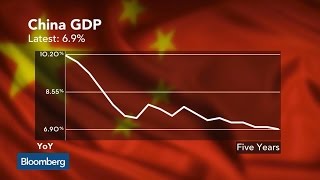
the 2.6%. It's not the first time as we just saw on the chart. In fact, actually, can we bring that up again real quick? Let's just sort of give the perspective here. Gross is 2.6%. That's when we're going to get a bare market if it holds, but this is not the first time we've been at this level, right?
We were here earlier uh in 2016, right? And then obviously, of course, way back, right? And he's looking at certain technical indicators to sort of uh show that the uh the bulls will be basically forced out of their positions uh and made to be bears, made to sell, and made to uh price in higher yields.
I think that the important question to ask is not necessarily whether yields breach these 2.6% levels, but what that means for the broader US economy and what that's signaling about long-term growth. And I think that if you look at uh fiveyear fiveyear forward break evens which is basically a measure of inflation over the next 5 to 10 years.
If you look at the yield curve if you differential between five and 30-year uh US treasury yields uh if you look at a number of other measures they are all signaling the same thing which is that as rates go higher now growth outlook is deteriorating pretty rapidly over the longer term. This is the important thing to watch in my opinion.
And how do you link this up with what's going on with high yield bonds in this environment which are starting to show a little bit of weakness? I mean 2.6% as Oliver pointed out is not uh territory that we've never been to before. But there's a lot more concern this time around. Right. And yesterday the biggest high yield bond ETF HY Black Rocks uh ETF actually saw its biggest year-to-day outflow and the biggest since the US election in November.
So you are seeing some skittishness and what that signals is again back to the idea of lower growth over the long term that's being priced in. If you believed in reflation, if you believed in accelerating growth outlook for the US, you would think that these riskier companies would do better, right?
High yield bonds would be a good place to park your money. But you're seeing the spreads, the yields, the extra yield over benchmark rates rising in tandem with the rising benchmark rates. And this signals that people are looking at the higher yields as being as riskier and potentially slowing growth over the long term, which is exactly what the Federal Reserve typically wants to do when they raise rates is to temper growth.
Right? I think a lot of people were just believing that if the Fed raises rates, uh because they're coming from such a low base, it's not really going to matter. They're just normalizing. But the market is signalizing is signaling perhaps that's not the case. when you uh look at the market right now uh and and you see that there is sort of this I guess shift potentially happening where do the investors because you mentioned the outflows and I find that interesting because we've been watching in the stock market right there's been quite a bit of inflows into uh ETFs so perhaps that rotation kind of happens but I wonder from your conversation with your guests on radio when you talk about uh when you talk with your sources where does that sort of money then shift in terms of where it invests within the bond market specifically?
That's an excellent question because I mean you can't just sort of pull your money out. The question that that sort of leads to is how invested how fully invested were investors leading up to this point, right? Because we had been talking about high cash balances last year. Some anecdotal evidence suggests that investors have been fairly fully invested up to this point.
So, you know, you could see some investors pulling out their money uh into cash. Also, you have to take into consideration that the trading activity that you're seeing is causing the entire market to repric. In other words, everyone's pricing at a higher yield. It doesn't necessarily mean that those that that money all of it's going out, you know.
Well, I wonder while when there is that kind of weakness, uh while there's not weakness in the stock market, at least none that we know of at the moment. Um there has been a lot of talk about the ability for people to go in pick stocks with volatility. Does that exist on the fixed income level? Are there people that are say, "Okay, now is a good time bas perhaps to get in some of the riskier debt, get a higher yield." Is there that type of uh sort of specific security picking happening?
Of course, it's the high yield debt market. It's all about security selection other than uh the high yield bond ETFs and some of the other index funds. Yeah, you do have a lot of people who definitely are even circling retailers for example, we've heard uh thinking perhaps now is a good time to delve in although it's a pretty scary trade and some of those might not exist in in a couple years.
But you are seeing that and there certainly are investors that I've spoken to who say we have prices at which we will swoop in and we will buy things but we're not there yet. And of course we've got Bill Gross coming up uh later in the next hour and I wanted to highlight something he included in his monthly newsletter.
He was talking about Janet Yellen whether she's doing a good job. She's a modern-day Goldilocks. How's she doing? So far so good, I suppose. But our highly levered financial system is like a truckload of nitroglycerin on a bumpy road. That's a pretty That's such a phrase. It's a pretty stark image there.
Exactly. So he's clearly concerned about the level of debt here. To what extent is central bank Janet Yellen, the Fed going to look at the move that we've seen in 10-year yields and will that give them pause when they decide on interest rates on Wednesday? You know, it's something to watch as far as Fed funds futures, whether the traders are pricing in fewer rate hikes in this year in response to the the move that we've seen so far.
So far, they're not, which suggests the Fed will not be uh really uh phased by this. Uh that said, as Noah Smith, uh Bloomberg View columnist did highlight in a recent column. He said, uh the more debt an economy has, the more an asset price correction will hamper the economy. So, it's something to watch and something to uh I'm sure the Fed is going to be looking at as


Comments 0