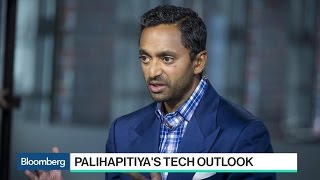
저자: ChamathPalihapitiya · 외국인
요약 보기
한 줄 결론: 트럼프 이민 정책이 미국의 인재 유입을 약화시켜 장기적으로 GDP와 가치 창출에 부정적이며, 아마존이 가장 유망하다는 견해. 인재·이민 정책: 트럼프 정책의 의도보다 비의도적 결과가 문제라고 봄. 미국은 최고 인재를 유치해온 나라였으나 최근 그 흐름이 바뀌는 초기 신호가 보임. 벤처·인력 시장: 많은 기업이 인재 채용에 어려움을 겪어 임금 인플레이션이 생기지만 생산성 향상 없이 돈만 태우는 구조. 캐나다·중국·인도 등 외부에서 경쟁 기업 창업이 빨라지고 있어 부정적. MBA 지원: 외국인 지원자 감소가 가장 크다는 보고가 있으며 단기엔 좋을 수 있으나 장기적으로 해외 인재를 영입해야 한다고 주장. 우버·창업자 리더십: 우버 CEO 트래비스 칼라닉에게 외부 인정을 무시하고 엔지니어와 제품 현장에 머무르라는 조언. 페이스북 사례를 들어 자아보다 영향력을 우선하는 전환이 중요하다고 함. 우버 vs 에어비앤비: 우버는 자율주행 시대에 대형 자본을 가진 신규 진입자에 의해 가치가 침식될 수 있는 구조로 봄. 에어비앤비는 고객 획득 비용을 효율화하는 내부 역량 문제만 풀면 차세대 대기업이 될 수 있다고 봄. 아마존: 소비는 제약이 가장 적은 시장이며 소비재를 가장 많이 파는 기업이 세계 최대 기업이 될 것이므로 아마존을 선택. 광고 시장은 크지만 페이스북은 광고 공간이 한계에 도달 중이라고 봄. 애플: 과거 비관적이었으나 현재는 보유하지 않으며 가치주로는 흥미롭지만 미래 혁신 기업으로 보지 않음. 현금을 주주에게 환원하는 것은 경영진이 투자 판단을 잘 못한다는 신호로 해석. 출연자 전망 요약: 미국 인재 유입 약화가 장기 리스크, 자율주행 시대 우버 가치 침식 우려, 아마존 강세 전망.
다듬은 글
Social Capital founder and CEO chath P haaa knows a thing or two about tech and Facebook the venture capitalist former Facebook Insider is counted as one of silicon Valley's most candid Tech leaders earlier we spoke with chath to get his take on some of the top Tech headlines I started by asking him about his concerns about President Trump's policies it's really not the the policies quite honestly but it's the it's the unintended consequences and specifically what I think is uh really scary is about what the long-term impacts the human capital are in the United States so if I had to use a sports analogy you know when your job is to win a championship what you do is you try to draft and recruit from free agency the absolute single best players in every position you can put them on the field or the court in order to win similarly the United States up until frankly quite recently has been that equivalent for human capital if you were very good or really good at anything you want it to come here and what's interesting is the early data is starting to show signals that that is changing and I think that's bad so that's irrespective of any ideology we want the smartest best people here working on behalf of Americans and America and uh anything that impacts that I think has long-term negative consequences to GDP and value creation how's he impacting Venture Capital so far well so again on the human capital side I think what we're seeing is a lot of businesses that are frankly having a terrible difficulty recruiting people and so what that means is wage inflation which doesn't really add to anything because all that means is you're burning more money without necessarily incremental productivity number one two is you're starting to see competitive businesses now uh be created an increasing velocity outside of the United States in Canada in China in India um that's generally bad if you think about um businesses that could theoretically be built here where the value then is captured within the United States so you think the us could lose its p no I think it's losing it in fact you know we saw we saw a report today that said that MBA programs and we can debate about the the long-term value of MBA programs but they've seen the most market decline in applications from foreign applicants now in the short term that may be good but in the long term the reality is there are some free agents we should just be poaching from other countries and putting them on our team you spent a lot of time with Mark Zuckerberg in the early years navigating some rough times at Facebook as the company matured as Zuckerberg matured do you see any parallels with what's going on with Uber and Travis KCK um you know it's hard to know because I'm not in the situation in the in the Boiler Room at Uber but here's what I'll tell you uh about Facebook which was that in those moments where we you know push certain boundaries say for example in the way that we build and design certain products or you know how we were exploring the consequences and the reach of privacy um and we had our hands slapped or we learned things what we did was internalized the cost benefit and the trade-off of the potential of what we wanted to build and the impact of that to humanity versus taking a more methodical approach and since then I have to say Facebook has been basically Flawless and I think the opportunity for them to realize is that their ego is not nearly as important as their impact and the minute that you make that transition there's just a different caliber of individual particularly at the very senior ranks that you can attract that will want to work with you on those kinds of problems and it seems at least from the outside that there's a lot of early signals that that transition is happening so I hope that it's working because the human potential impact of uber is undeniable so what are your recommendations to Travis specifically in your on in your position outside the boiler Boiler Room as an observer well you know I think that um when you are in a company that is that iconic and unique the biggest thing you have to do is become a lot more introspective and become what I call Inside Out validated so you know when stars and famous people and rich people and CEOs call you and want to spend time with you and take you out invite you to all this external validation that tells you you're important you have to ignore it and in fact you have to run away from it and you have to spend time with your engineers in the Boiler Room of making the product every day and when you strip yourself of that outside validation you learn to validate yourself inside out and um I'm not saying that uh he hasn't done that but uh what I will tell you is if you can make that transition you become an extremely powerful CEO and I think Mark is a great example of of what that looks like my colleague bradstone wrote a book comparing Uber to Airbnb I'll put the question to you like this Uber or Airbnb um you know I think if you had to pick a more natural monopoly that had pricing power at scale I think it's Airbnb the reality with Uber is that it is a fundamental consumer surplus business where uh there is still risk that the entire business model is about cost of capital meaning that in a world of autonomy what you have is the ability for new entrance with huge balance sheets Google Apple Facebook companies that you never would have imagined competing with you could because it is just a function of having enough money to buy enough autonomous cars because you already have the customer reach and you can then model the demand well so in a market like that there is potentially value erosion over time because you have more players not less now in the case of Airbnb what they really have to navigate is cost effective customer acquisition at scale so instead of having many problems and many potential competitors Airbnb has to solve an internal capability issue and if they solve that then that is probably the next massive company to come out of Silicon Valley you're really bullish on Amazon though you also spent a lot of time at Facebook Amazon or Facebook so you know the thing that I think about is um you have to fundamentally be in the largest most unconstrained Market possible and when you look at the world and where dollars are spent advertising in and of itself is a $200 billion plus Market it's created now 1.1 trillion of value between Facebook and Google it's incredible but Facebook is running out of space to put it ad but at the end of the day the thing that is fundamentally unconstrained is consumption by consumers wherever there are people who are making more money than they spend they will find a way to allocate whatever's left over to buying things and to the extent that buying things is the most important part of GDP which it is in America and it tends to be in most developed Nations the company that dominates in selling you things you want to buy will probably be the largest company in the world and probably by many orders of multiples than anything else and so you know I'd have to pick Amazon and you have historically been fairly pessimistic about Apple where are you today you know I I uh I we don't hold it um uh I look at it as a really interesting Value stock uh I don't view it as a as a company that represents for me what I want to own which is uh you know basically innovating on the future in ways that represent change um you know at the end of the day I also think a balance sheet that distributes cash back to investors is essentially saying we believe you know what to do better than we know what to do and so I think all of that speaks for itself


Comments 0