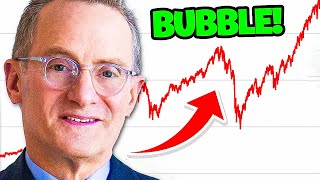
저자: 하워드막스 · 외국인
요약 보기
결론: 하워드 막스는 현재 주식시장이 버블이라고 보지 않지만, 밸류에이션과 불확실성을 고려해 리스크를 줄여야 한다고 주장한다. 시장 설문: e-trade 설문에서 1만 달러 이상 투자자 957명 중 69%가 시장이 완전히 또는 어느 정도 버블이라고 응답했고, 22%는 버블에 근접했다고 답했다. 버블 근처가 아니라는 응답은 약 9%였다. 타 기관 시각: 골드만삭스 글로벌 주식전략가는 300년 시장사를 연구한 결과 버블 특징이 많이 보이지만 본격적 버블은 아니라고 결론지었다. 막스의 배경: 1995년 Oaktree를 공동창업했고, 2019년 지분 61%를 Brookfield에 49억 달러에 매각했으나 독립 운영 중이다. 부실채권 투자자로서 남들이 놓친 기회를 추구한다고 소개된다. 리스크 진단: 경기확장과 강세장이 오래됐고, 밸류에이션은 평균 이상이며, S&P500 PER은 역사적으로 높다. 과거 3~6년 전만큼 리스크를 지지 않아야 한다는 입장이다. 투자심리: 손실 공포(FOMO 반대 개념)보다 놓칠까 두려운 심리(FOMO)가 지배하고 있다고 본다. 저수익 환경에서 과도한 리스크 없이 적정 수익을 내는 것이 가장 큰 과제다. 전망: 코로나 등 글로벌 보건 상황과 연준의 대공황 방지 의지 사이에서 결과 범위가 넓다. 지난 100년간 보지 못한 수준의 불확실성이 존재한다고 본다. 막스는 시장 타이밍 예측을 믿지 않으며, 사이클 위치를 아는 것이 중요하다고 강조한다. 버블 정의: 버블의 본질은 진실의 한 조각(예: 인터넷이 세상을 바꾼다)을 과도하게 확장하는 '버블 사고'다. 1968년 Nifty 50 사례처럼 고평가된 성장주는 5년 보유 시 97% 손실을 볼 수 있어 가격이 중요하다는 점을 강조한다. 결론적 입장: 최신 메모에서 대부분 자산가격은 아직 정당화 가능하다고 보지만, 밈주식 열풍 등 과열 신호는 있다고 인정한다. 현재 시장을 버블로 보지 않으며 모든 가격 상승은 수요 증가와 수익률 하락에서 비롯된다고 본다. 출연자 전망: 하워드 막스는 시장이 버블이 아니며 즉각적인 대폭락도 예상하지 않는다고 밝혔다. 다만 밸류에이션, 정부지출, 인플레이션, 금리 등을 근거로 버블 논의가 늘고 있다고 평가했다.
다듬은 글
fear of a stock market crash is always present every investor lives with the risk of a major economic meltdown it's happened before and it can happen again if it does it can wipe out years of hard-earned savings and retirement funds and hours according to recent results from the e-trade survey an increasing majority of investors believe the stock market is in a bubble 69 of 957 active investors who manage at least ten thousand dollars in an online brokerage account think the market is either fully or somewhat in a bubble on top of that 22 percent of investors stated stock valuations are approaching a market bubble while hardly nine percent responded valuations are not close to a market bubble however the answer to whether the stock market is currently in a bubble is unclear across wall street goldman sachs chief global equity strategist recently researched 300 years of market history and concluded that although many bubble characteristics are present today stocks are not in a full-fledged bubble but what does howard marx think about that the co-founder of oak tree capital management was born in new york and began his career at citibank in 1985 he joined tcw group as an asset manager and in 1995 he co-founded oaktree capital management with the strategy of investing in private equity high-yield debt and distressed debt during the financial crisis to buy distressed assets his hedge fund has raised 10 billion dollars which paid off well for oak tree investors in 2019 oak tree sold 61 percent of its stake to brookfield asset management for 4.9 billion dollars in cash in stock despite that oaktree is operating independently and marx is leading all the activities he's a distressed debt investor and he firmly believes in pursuing investment possibilities that others are overlooking although mark says we're not yet in a bubble he cautioned savvy investors that there are reasons to take less risk so he believes investors should take some risk off the table given some of the challenges the market faces according to him the economic expansion in the bull market are old he said valuations are above average and there's a lot of uncertainty in the world so it strikes him that one should not have as much risk as one did three or six years ago he said they have what he calls a fear of missing out or fomo and that's taken over from the fear of losing money because people have to be invested in this world when things are going up all these things are somewhat problematic and of course the pe ratio on the s p is high relative to history he claims the biggest challenge that investors will face is from deciding how to get a decent return in a low return world without taking an inordinate risk at the very end of last year marx cautioned investors that the current circumstances may pave the way for the lowest prospective returns in history and that investors should anticipate lower returns to move forward he also added that the market could be vulnerable to negative surprises amid uncertainties related to the current global health situation given the wide range of potential outcomes with this situation the magnitude of risk taken on by investors is undoubtedly tricky to comprehend even given the u.s fed's commitment to preventing an economic depression for which the likes we haven't seen in almost 100 years although in theory higher potential risks should come with greater returns but after the latest market run up many pundits don't seem to think that the prospective returns from these levels make up for the profound magnitude of risks looking forward since no one is sure when we will be getting out from this global problem we're currently in it's not a mystery why marx thinks the market setup isn't looking too good for those looking for significant gains over the coming years when asked how he would start and end a memo called world according to me in 2023 marx replied it would begin and end with a statement that he does not actually believe in predictions what he means is that we never know where we were going but we sure ought to know where we are that is why the book's essence is to predict your investment decision to understand where we stand in the cycle today it is possible to know where we stand in the process today it is not possible to understand what is going to happen tomorrow according to him where we stand in the cycle determines the probability distribution of returns that investors would face they should know what the probability distribution would look like when it's in their favor and when it's against them that is the most significant theme of the book although he cannot and will not try to predict a market crash when the market does fall mark said you should not immediately expect a crash either modern investors might expect significant oscillations in the market since their experience of major downturns had been the dot-com bust and subprime mortgage crisis but they should look even further back in history he stated that we had lots of minor boom leds over the previous decade and then corrections so we should not automatically think of the bubble crash mark said the symbol of a bubble is the presence of bubble thinking where investors take a grain of truth and run away with the concept in the late 1990s the grain of truth was that the internet would change the world although it did change the world about 9 out of 10 companies in the sector also ended up valueless this bubble thinking surfaces periodically in history continuing his story about bubble thinking marx remembered the time when he took a summer job in citibank's investment research department in 1968 during this period investors were crazy for the nifty 50.
the nifty 50 represented 50 large cap blue chip growth stocks in the usa including ibm xerox and coca-cola he stated that they were selling for astronomical prices of 80 to 90 times earnings that compares with the average price to earnings ratio for the s p 500 in the post-war period of about 16 times payments however it turned out that investors who bought these stocks and then held them for five years would have lost 97 percent of their investment because of this marx concludes that price does matter according to howard marks himself two questions he's often asked are are we in a bubble and are we going to have another crash he states that this is understandable because those who came into the market as much as 25 years ago have seen two bubbles and two crashes however he also claims that markets aren't always about extreme ups and downs there are bull markets and bear markets rises and corrections with that said he adds he doesn't believe that we're in a bubble and does not think we're going to have a crash while other famous investors like jeremy grantham are calling for the top of the market mark said that the market's future trajectory is less clear he concluded that there's increasing mention of a possible bubble based on concerns about valuations federal government spending inflation and interest rates still he sees too many positives for the answer to be black or white one thing that could spark another market crash is negative surprises although howard marks is a genius investor not he nor warren buffett knows with certainty where the markets are headed next sure things could be brighter than mark's beliefs but with the current situation it's tough to go all in on stocks based on optimism the fed's backing and other stimulus packages there's also marx's warning that the markets could have a higher chance of being hit with negative surprises if things take a turn for the worse in the future there's no question that the stock market could be in for another round of panic-driven selling that could rival the market crash suffered back in last february and march given the uncertain outlook currently facing the economy forecasting the stock market's performance is likely to be even more challenging therefore following mark's advice to buy attractive stocks for the long run and largely ignore short-term price movements could be a good idea attempting to foretell the stock market's future performance may not be a productive use of your time though its future may include events that are similar to those it's encountered in the past throughout history the stock market has operated in cycles the catalysts for its bull markets and bear markets may be unique when they occur but the stock market's track record of recovering from its lows to produce new highs is likely to continue in the long run marx advises investors to use history to decide on potential performance of the index over the long run in his latest memo howard marx rejected the notion that the stock market is currently in a bubble and said that most asset prices are still justifiable however he admits the temperature of the market is elevated and says there are signs of euphoria and risky behavior as investors pile into so-called meme stocks and broaden into riskier assets in a desperate grasp for returns nevertheless he concludes a bubble connotes unreasonably optimistic psychology and it believes that there's no price too high for the bubble asset i don't think that those are going on today i just think that all prices are up because of all the demand as well as returns being down be sure to comment down below and let us know if we've missed something hit that subscribe button and turn on the bell to never miss an upload thank you very much for watching you



Comments 0