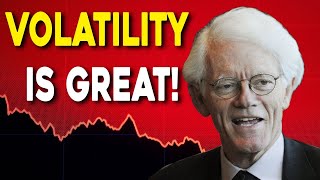
저자: PeterLynch · 외국인
요약 보기
결론: 변동성은 기회이며, 자신이 보유한 종목을 이해하고 장기 보유하면 하락장은 저가 매수 기회다. 주제 1 - 변동성에 대한 관점: 린치는 변동성을 '훌륭하다'고 보며, 자신이 무엇을 보유하는지 알면 하락은 싼 가격에 매수할 기회라고 주장. 역사 사례: 1972년 타코벨 주가가 14달러에서 1달러로 급락했으나 부채가 없고 폐점이 없어 7달러부터 매수, 1978년 마젤란펀드 최대 보유 종목이 되었고 펩시에 42달러에 인수됨. 기업 이익 성장: 기업 이익은 역사적으로 연 약 8% 성장 → 약 9년마다 두 배. 주식시장도 장기적으로 이익을 따라 약 9년마다 두 배가 될 것이라는 논리. 지수 전망: 당시 시장 약 3,800 부근, 향후 3,800포인트 이상 상승을 확신하나 단기 500~600포인트 방향은 모른다고 언급. 주제 2 - 투자자 대응: 자신이 이해하지 못하는 종목 대신 뮤추얼펀드를 꾸준히 적립하는 방법도 제시. 하락 빈도 통계: 93년간 10% 이상 하락(조정) 50회(약 2년에 1번), 25% 이상 하락(약세장) 15회(약 6년에 1번). 하락은 반드시 온다는 전제. 하락 활용: 14달러 종목이 6달러로 떨어지면 기회, 22달러 목표를 세울 수 있다는 논리. 주제 3 - 불확실성의 영향: 전쟁·경기침체 등 위기 시 기업 실적 예측이 어려워지고, 기관투자자가 주식을 줄이고 금·국채·단기금융상품으로 이동하면서 주가가 하락. 미시·거시 리스크: 미시적으로는 비필수재 소비 감소와 해고, 거시적으로는 산유국 전쟁에 따른 유가 상승, 자본 유출과 환율 평가절하 가능성 언급. 주제 4 - 대응 전략: 정보를 많이 얻고, 섹터별 수혜·피해를 분석해 장기 계획 수립. 금은 위기 시 인기 있는 투자처. 공격적으로 위기 후 반등 수혜 기업을 찾는 방법도 제시. 분산투자: 주식·채권·귀금속 등 자산 분산과 지역·산업 분산으로 특정 분야 급락 피해 완화 (예: 석유 기업만 보유 시 중동 전쟁으로 큰 손실 위험). 출연자 전망(요약): 장기적으로 주식시장 상승 낙관, 단기 변동성은 불가피하다고 봄. 대상 자산별 1~3개월 방향 예측 발언은 명시적으로 없음.
다듬은 글
everyone knows about the situation in eastern europe right now this is affecting the stock market in pretty much every country and it makes the stocks and markets really volatile in uncertain times the market is really volatile but as an investor you should not be scared of this rather you should take advantage of a moving stock if it goes in your favor certain aspects of globalization can have positive benefits but when threats of a financial crisis war global recession trade imbalances etc do occur it often leads to the talk of moving money to safer investments and increasing government deficits this rising uncertainty can confuse even the well-informed investor in this video we will look at what some of the greatest investors think of a volatile market and what they do during uncertain times make sure to watch the full video to see what the best investors think about how to invest in a volatile market are you concerned about the volatility in the financial markets today do you think something needs to be done to reduce it i i love volatility i i think i remember when uh in 1972 the market went from uh uh down dramatically and taco bell went from 14 to one they had no debt they never had a restaurant close and uh i started buying at seven but i kept on to it and it went to one and uh it was the largest position in magellan in 1978 one was bought out from by 42 dollars by pepsi cola i think would have gone to 400 if they didn't buy it out i think volatility is terrific i think it is very i think these callers are very important i don't think the market going up 80 points one day and down 80 the next uh is a good thing for the public i think that's not a very good thing but i think all these callers and all these other things to keep the volatility down each day is important but the market's going to go up and down well the human nature hasn't changed a lot in 25 000 years and some event will come out of left field and uh the market will go down or the market will go up so volatility will occur and markets will continue to have these ups and downs i think that's a great opportunity if people can understand what they own if they don't understand what they own they can own mutual funds try and figure out mutual funds they own and keep adding to it over basic corporate profits have grown about eight percent a year historically so corporate profits double about every nine years the stock market ought to double about every nine years so i think the next market's about thirty eight hundred today thirty seven i'm pretty convinced the next 3 800 points will be up it won't be down the next 500 points the next 600 points don't know which way they're going so the market ought to double in the next eight or nine years it ought to double again in the 89 years after that because profits will go up 8 a year and and stocks will fall that's all there is to it lynch said that volatility is great if you know what you own and why you bought it volatility creates opportunity to buy in at a bargain price and you should take advantage of this if you know a stock is cheap lynch also mentioned that if people don't understand what they own or don't want to use their time trying to figure out what stock to buy they can just buy a mutual fund and keep adding money into the fund and over time it will most likely give a positive return lynch then goes on to talk about how corporate profits have on average grown about eight percent per year that means it doubles about every nine years the same goes for the stock market because stocks follow earrings in the long run but in the short term stocks are volatile and move up and down a lot especially smaller companies although smaller companies are more volatile they are also the place where there are the most bargains but you should study history and history is the important thing you learn from what you learn from history is the market goes down it goes down a lot the math is simple there's been 93 years of century this is easy to do the markets had 50 declines of 10 or more so 50 declines in 93 years about once every two years the market falls 10 percent we call that a correction that means that's a euphemism for losing a lot of money rapidly we call it a correction and uh uh so 50 declines in 93 years about once every two years the market falls 10 percent of those 50 declines 15 have been 25 or more that's known as a bear market we've had 15 declines in 93 years so every six years the market's gonna have a 25 decline that's all you need to know you need to know the market's gonna go down sometime if you're not ready for that you shouldn't own stocks and it's good when it happens if you like a stock at 14 it goes to six that's great you understand the company you look at the balance sheet they're doing fine you're hoping to get to 22 with it 14 to 22 is terrific 6 to 22 is exceptional so you take advantage of these declines they're going to happen no one knows when they're going to happen it would be very people tell you about it after the fact that they predicted it but they predicted it 53 times and uh so you can take advantage of the volatility market if you understand what you own the impact of uncertainty on investing anytime you put money at risk in an attempt to profit there is an inherent level of uncertainty when new threats such as war or recession arise the level of uncertainty increases significantly as companies can no longer accurately predict their future earnings as a result institutional investors will reduce their holdings in stocks considered unsafe and move the funds to other asset classes like precious metals government bonds and money market instruments this sell-off which occurs as large portfolios reposition themselves can cause the stock market to depreciate uncertainty is the inability to forecast future events people can't predict the extent of a possible recession when it's going to start and how much it will cost or what companies will be able to make it through unscathed most companies normally predict sales and production trends for the investing public to follow assuming normal market conditions but increasing uncertainty levels can make these numbers significantly inaccurate micro and macro risks uncertainty itself can affect the economy on both the micro and macro levels uncertainty on a micro level centers around the effect on individual companies within an economy faced with a threat of war or recession while uncertainty on a macro level tends to look more at the economy as a whole micro risks from a micro level company specific viewpoint uncertainty provides a major concern for those that produce consumer goods every day for example consumption may fall on the threat of a recession as individuals refrain from purchasing new cars gadgets and other non-essentials this uncertainty may force companies in certain sectors to lay off some of their employees to combat the impacts of lower sales the level of uncertainty that surrounds a company's sales also extends into the stock market consequently stock prices of companies that produce non-essential goods sometimes experience a sell-off when levels of uncertainty rise macro risks on a macro level uncertainty is magnified if the countries at war or major suppliers are consumers of goods a good example is a country that supplies a large portion of the world's oil should this country go to war uncertainty regarding the level of the world's oil reserves would grow because the demand for oil would be high in the supply uncertain a country unable to produce enough oil within its own borders would be required to ensure that enough oil was stored to cover operations as a result the price of oil would increase another macro level event that affects companies and investors is the flight of capital and devaluation of exchange rates when a country faces the threat of war or recession its economy is considered uncertain investors attempt to move their currency away from unstable sources to stable ones the currency of a country under a threat of war may be sold in the currencies from countries without the threat or bought instead the average investor probably would not do this but the large institutional investors and currency futures traders would these actions translate into a devaluation of exchange rates investing strategies for uncertain times when situations of heightened uncertainty arise the best defense is to be as well informed as possible keep updated by following news that impacts markets in researching individual companies analyze which sectors have more to gain and lose in a crisis and decide on a long-term plan investing in gold has been a popular strategy during hard economic times primarily because gold has an intrinsic value times of heightened uncertainty can lead to great opportunities for investors who position themselves to take advantage of it some investors might decide to go on the offensive and search for companies that provide goods or services that will lead to great returns when things turn around it is difficult to commit capital during uncertain times but it can often reap huge rewards in the long run those who want to mitigate uncertainty and risk might be content leaving their money where it is or perhaps moving it to safer securities diversification is always a key investing tactic and not only in times of uncertainty having your investments spread across a variety of assets such as stocks bonds and precious metals helps soften the blow if one area depreciates quickly furthermore investing in different regions in different sectors and industries also increases diversification for example if you had all of your investments in oil companies and oil prices took a dive because of an outbreak of war in the middle east you are at a significant risk of loss now if you also had investments in the technology sector in renewable energy your portfolio would not be impacted as much key takeaways there is always a level of risk and uncertainty when investing which has increased in times of wars recessions pandemics and other negative occurrences when hard times come investors move their money out of equities to safer assets such as precious metals government bonds and money market instruments the move of investor capital from equities to safer assets causes the stock market to depreciate uncertainty impacts the economy on both the micro and macro level on the micro level it focuses on companies and individuals while on the macro level it focuses on the overall economy like global oil prices and the flight of capital being well informed and adjusting your investment strategy as events change over time will allow you to invest wisely during uncertain times diversification is a key investment strategy that prevents significant losses if one area of your portfolio takes a serious hit that's it for today's video i hope you enjoyed it and learned something new make sure to like this video and subscribe to compoundingclub because it helps out the channel a lot thanks for watching the video and i'm looking forward to speaking again soon

Comments 0