원문 보기
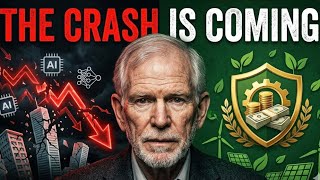
Why don't investment funds and Wall Street ever tell you the right time to sell your stocks and exit the market before the crash? Legendary expert Jeremy Grantham, known for predicting history's biggest bubbles, reveals a shocking truth. The entire financial system is psychologically built on perpetual optimism bias because their commissions depend on keeping your money inside the market.
From a business psychology perspective, the masses fall into the FOMO trap, the fear of missing out. In this introduction, we'll show you how Grantham reshapes the capital protection mentality. How you can build a defensive strategy with ice cold discipline before the next major correction hits. Grantham's approach breaks free from the Wall Street optimism machine that profits from your constant exposure.
The veteran investor teaches you to recognize bubble psychology before the inevitable crash. Instead of riding every wave up and down, you learn when to step aside and preserve your wealth. This is the psychology of the contrarian, protecting capital when everyone else is chasing returns. Grantham's decades of experience prove that the herd is almost always wrong at major turning points.
Jeremy Grantham is warning of a coming real estate collapse that will wipe out 30% of global property values. He believes real estate prices worldwide are horrifically inflated and must drop sharply to return to their fair value. Psychologically, the average person views real estate as the most emotionally safe asset they can own.
When this psychological safety net collapses, it triggers cognitive paralysis in the masses, freezing their financial decision-making. Grantham proposes clear alternatives to protect your wealth during this collapse. His defensive portfolio focuses on tangible assets far from the noise of daily speculation.
He emphasizes companies with real cash flows, businesses generating actual profits, not paper promises. This approach keeps you away from speculative bubbles and anchored to economic reality. Grantham warns that when real estate drops 30%, panic will spread faster than the price decline itself. The psychological impact of watching your home lose a third of its value creates financial paralysis.
To survive this shift, you must prepare psychologically now and protect your liquidity before the crash arrives. Understanding the psychology of this impending real estate collapse is your first line of defense. Everyone believes AI growth automatically means soaring corporate profits. But what if that's just a dangerous illusion?
Jeremy Grantham shatters the prevailing expectations with a bold statement. AI technology advancement does not automatically translate to increased company profits. Everyone falls into the trap of technological generalization bias, confusing a revolutionary tool with actual stock profitability. The market treats every tech breakthrough as guaranteed wealth.
But history tells a different story. Then Granthm shifts to something truly terrifying that markets completely ignore. The link between everyday chemicals and collapsing human fertility. Chemical compounds in our food and beauty products are silently destroying human reproductive capacity. From a macroeconomics perspective, declining fertility means an incoming demographic collapse that will shake the global economy.
Fewer births today mean a shrinking workforce tomorrow, threatening the entire engine of global consumption. This demographic time bomb will crush consumer demand, labor supply, and economic growth for decades to come. Yet, Wall Street remains completely blind to this existential threat, chasing short-term AI fantasies instead.
Grantham argues the real investment opportunity of the future lies in sustainability companies and environmental protection assets. While everyone gamles on AI hype, the hidden crisis of fertility and toxins will reshape the entire investment landscape. We conclude with a summary of Jeremy Grantham's philosophy from his book on long-term investing in a short-term world.
The biggest challenge today, it's not the lack of information. It is the behavioral attention deficit and the rush for quick profits. We offer a clear action plan centered on psychological resilience. Diversifying the portfolio towards defensive assets is crucial. Understanding that the economy, health, and environment are entirely interconnected.
We end with a powerful motivating message encouraging viewers to think like smart financial leaders. We pose an interactive question in the comments to boost engagement, encouraging thought-provoking discussions and widespread reach. Let's think and act as visionary leaders in the financial world. Follow us for more.




Comments 0