
저자: MarcFaber · 외국인
요약 보기
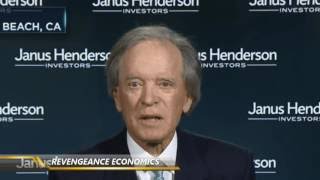
결론: 미국 주식시장과 금융·부채 전반에 거품이 있으며, 대형 인기주는 큰 하락 위험이 있어 상대적으로 저평가된 유럽·신흥국 주식과 기업채를 선호한다. 미국 기술주: 아마존·페이스북·애플 등 기술 대형주가 경제에 기여하는 것은 맞지만, 1999~2000년 나스닥 버블과 달리 실적이 있어 비교 자체는 과하다고 봄. 다만 가격이 비싸고 넷플릭스·엔비디아 같은 인기주는 변동성이 크며, 나스닥100은 1999년 10월~2000년 3월 두 배가 된 뒤 70% 하락했고 엔비디아는 2000~2002년 95% 하락, 2007년 이후 88% 하락한 전례가 있다고 언급. 반도체: 업종 특성상 경기 순환이 매우 크다고 지적. 미국 소비·경기: 소매판매와 자동차 판매가 약화되고 있으며, 소비 여력은 주거비 부담(뉴욕·LA·샌프란시스코 등에서 소득의 50% 임대료) 때문에 제약되고 있다고 봄. 밀레니얼 세대는 부모 세대보다 소득이 낮음. 총소비는 이 회복 단계치고 약하며 분기 성장률 1~2% 수준으로 평가. 신흥국·아시아: 인도·베트남·중국은 둔화됐지만 여전히 6~7% 성장 가능. 미국 시장이 10년간 신흥국을 下回았으므로 따라잡을 여지가 있다고 봄. 금리·부채·유동성: 미국 10년물 약 2.2%는 제로금리인 유럽·일본 채권 대비 매력적이라 미국 국채를 선호. 일본·유럽 중앙은행의 자산매입으로 달러가 한때 강세였으나 최근 자금 흐름이 되돌아가는 중. 글로벌 부채/GDP는 2007년보다 30~40% 높아 '채권 버블'과 '유동성 버블'을 경고. 자산 배분: 1억 달러가 있다면 미국 주식·채권보다 유럽·신흥국 주식과 신흥국 회사채를 선호. 모든 자산이 버블이며 결국 정부의 과세·수용이나 자산가격 디플레이션으로 50% 손실 가능성을 경고. 출연자 전망(요약): 미국 인기 기술주는 하락 리스크가 크고, 상대적으로 저평가된 유럽·신흥국이 유리하다는 견해.
다듬은 글
me that looks as though it's weakening yes I ask you what about technology and the contribution that the companies such as an Amazon such as a Facebook such as whether it be apple uh all the tech heavyweights the contribution to the economy do you not see that it's very difficult to measure don't you believe it's there it is there and certainly the tech sector as is reflected in property prices on the West Coast reflects that the marketplace knows that that's a sector of the economy that is doing well but if you look at the 330 million Americans the portion of Americans that are really involved in Tech is very small and then if you look at China do you think there is no technology company in China we have lots of technology companies in Asia in India in China in Europe the the same so this is uh universally a sector that has done very well until now will it continue to do well as you know the semi conductor industry is very cyclical Mark let's get back to sectoral calls on the consumer or domestically you talked about retail being soft but at the same time there's a massive transition moving into the productivity of online the Amazon sales all the online Commerce going on you don't seem to be giving any credit to the consumer there their preferences are changing into how they buy absolutely that is true but if you look take total consumption It's relatively weak for this stage of the recovery then I a half% up maybe two in the next quarter that's what we're all hoping for yes but but but look I'm not dealing in one or two perents in India in Vietnam in China there has been a Slowdown but we're still growing at 6 7% per anom easily yes but nobody's suggesting that other markets cannot outperform remember they have underperformed the US market for 10 years and it's about time and it's reasonable to expect that they might catch up that's different than saying that the US economy and the market is in a bubble and is going to have a dramatic decline if we think just last point if we think about 1999 and 2000 and I managed to fund at Fidelity then what we saw were infinite multiples on so much of the market the companies that you and I looked at those Tech names they were ridiculously valued the companies we're talking about today have lots of earnings and a lot of Revenue and I believe that the situation is not comparable it may be they may be overprice but it's not comparable yes you mean a lot of earnings like Tesla oh I didn't say Tesla okay to sh you know but I just want to mention I believe we had a bubble in NASDAQ in the year 2000 in Year 2007 we had a financial bubble and a bubble in real estate now we have a bubble in everything we have Global debts as a percent of global GDP that is 30 to 40% higher than it was in 2007 in 2007 in 2000 we didn't have a bond bubble now in the US I still like treasuries 2.2% on a 10 years is a huge yield compared to European and Japanese bonds at zero interest let me your idea are our bond yields as low as they are because it's it's a sign that the economy is weaker than people think or is it simply because of Central Bank intervention and still um the the sugar well in the US they haven't intervened but you see if you print money in Japan and by the ECB in Europe the money is printed by essentially these central banks buying assets then I'm an insurance company I sell B BS to the ECB or to the boj or stocks they have liquidity now I see the dollar going up until recently until three months ago then I shift money into us treasuries where I get the 2% yield advantage over local bonds so the printing overseas has actually helped the dollar until say the beginning of this year now I believe the money flows are shifting back and Europeans are even more bearish than American individual $100 million where do you put it where are you putting your money well I would put it rather in Europe and in emerging economies and the US in equities yes and in bonds not in European bonds credit or government debt uh mostly uh Credit in other words corporate Bonds in Emerging Markets I think there's still some opportunities there it's hard to find and but I agree with you but look I'm telling you there is a bubble in every think there's nothing in asset price that that is very low and all of us and I also own lots of assets we're going to lose 50% either the government will take it away through taxation expropriation or there'll be a deflation in asset prices that is surprising most people on the downside so I think that we have to distinguish between different sectors in the US the bubble is in the most popular stock these may be great companies Amazon Netflix Nidia and so forth but they are highly priced and uh don't forget uh October 99 to March 2000 the NASDAQ 100 doubled and then it went down 70% and Nidia which is one of the Millennials favorite stock uh declined in 2000 to 2002 by 95 5% and after 2007 it declined by 88% so these are very volatile stocks and I think that we are in a financial bubble not only stocks but also bonds and uh we have this liquidity bubble I would rather invest in Europe than in the US where valuations are lower and where the economy seemingly is improving that's what people think and I believe that there is an improvement also in Asia we have markets that are far cheaper than in the US so if you compare the US Stock Market compared to other markets in the world it is at the highest level ever compared to the rest of the world but if I say okay uh improving economy in the US you mentioned that's what you say believe that no I think the economy ising well car sales are weakening this is an important industry also in terms of employ employment and I think that the retail sales tell you that the consumer he would like to spend but he's unable to spend because affordability is not there the Millennials the young people they earn less than their parents did the Boomers and they have less money because they pay 50% rent of their income in New York and the Newport Beach and San Francisco and Los Angeles so it's an affordability issue the FED has been very successful in boosting asset prices but the wages haven't followed and so people don't have enough money to spend and to invest if we think just last point if we think about 1999 and 2000 and I managed to fund it Fidelity then what we saw were infinite multiples on so much for the market the companies that you and I looked at those Tech names they were ridic ridiculously valued the companies we're talking about today have lots of earnings and a lot of Revenue and I believe that the situation is not comparable it may be they may be overpriced but it's not comparable yes you mean a lot of earnings like Tesla oh I didn't say Tesla okay tou sh you you know but I just want to mention I believe we had a bubble in NASDAQ in year 2000 in year 2007 we had a financial bubble and the bubble in real estate now we have a bubble in everything we have Global debts as a percent of global GDP that is 30 to 40% higher than it was in 2007 in 2007 in 2000 we didn't have a bond bubble now in the US I still like treasuries 2.2 as you know the semiconductor industry is very cyclical Mark let's get back to sectoral calls on the consumer or domestically you talked about retail being soft but at the same time there's a massive transition moving into the productivity of online the Amazon sales all the online Commerce going on you don't seem to be giving any credit to the consumer there their preferences are changing into how they buy absolutely that is true but if you look take total consumption it's relatively weak for this stage of the recovery then i' also like per up maybe two in the next quarter that's what we're all hoping for but but but look I'm not dealing in one or 2% in India in Vietnam in China there has been a Slowdown but we're still growing at 6 7% per anom easily yes but nobody's suggesting that other markets cannot outperform remember they have underperformed the US market for 10 years and it's about time and it's reasonable to expect that they might catch up that's different than saying that the US economy and the market is in a bubble and is going to have a dramatic decline if % on a 10 years is a huge yield compared to European and Japanese bonds at zero interest let me ask that's your idea are are bond yields as low as they are because it's it's a sign that the economy is weaker than people think or is it simply because of Central Bank intervention and still um the the sugar well in the US they haven't intervened but you see if you print money in Japan and by the CB in Europe the money is printed by essentially these central banks buying assets then I'm an insurance company I sell bonds to the ECB or to the boj or stocks they have liquidity now I see the dollar going up until recently until three months ago then I shift money into us treasuries where I get the 2% yield advantage over local bonds so the printing overseas has actually helped the dollar until say the beginning of this year now I believe the money flows are shifting back and Europeans are me that looks as though it's weakening yes I ask you what about technology and the contribution that the companies such as an Amazon such as a Facebook such as whether it be apple uh all the tech heavyweights the contribution to the economy do you not see that it's very difficult to measure don't you believe it's there it is there and certainly the tech sector as is reflected in property prices on the west coast reflects that the marketplace knows that that's a sector of the economy that is doing well but if you look at the 330 million Americans the portion of Americans that are really involved in Tech is very small and then if you look at China do you think there is no technology company in China we have lots of tech technology companies in Asia in India in China in Europe the the same so this is universally a sector that has done very well until now will it continue to do well even more bearish than American individual $100 million where do you put it where are you putting your money well I would put it rather in Europe and in emerging economies the in equities yes and in bonds not in European bonds credit or government Deb uh mostly uh Credit in other words corporate Bonds in Emerging Markets I think there's still some opportunities there it's hard to find and but I agree with you but look I'm telling you there is a bubble in everything there's nothing in asset price that that is very low and all of us and I also own lots of assets we're going to lose 50% either the government will take it away through taxation expropriation or they'll be a deflation in asset prices that is surprising most people on the downside so I think that we have to distinguish between different sectors in the US the bubble is in the most popular stocks these may be great companies Amazon Netflix Nidia and


Comments 0