
저자: 미상 · 외국인
요약 보기
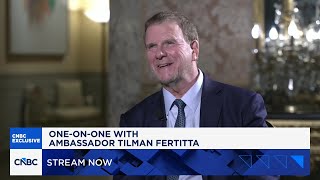
결론: 데이비드 테퍼의 앱살루사 펀드가 외부 자금 반환 및 패밀리 오피스 전환을 검토 중이라는 보도다. [배경·보도 내용] 테퍼는 외부 자금 반환과 패밀리 오피스 전환을 논의 중이며, 시기는 올해일 수도 몇 년 뒤일 수도 있다고 전해졌다. 대변인에 따르면 타임라인은 아직 확정되지 않았다. [동기] 테퍼는 캐롤라이나 팬서스 구단을 22억 달러에 인수해 시간을 쓰고 있고, 자기 자본이 운용자산 약 130억 달러의 70%를 차지한다. 그는 운용자산 규모를 관리하기 위해 외부 자금을 주기적으로 돌려주는 방식을 써 왔다. [성과] 26년간 연평균 약 25% 수익을 낸 것으로 알려졌고, 작년에는 소폭 손실이었다. 1분기 13F 기준 주요 보유 종목은 마이크론, PG&E, 앨러간이다(이후 변동 가능). [패널 견해] 패널들은 테퍼가 시장을 잘 헤쳐 왔고 연말 급락 때도 수익을 냈다고 평가했다. 다만 현재 시장은 전통적 플레이북이 통하지 않아 어렵고, 큰 상승 여력이 보이지 않으면 현금 보유나 순매도 포지션을 택할 수 있다고 봤다. 테퍼는 통상 주식 공매도보다 선물 숏을 쓴다. [업계 동향] 하이 필즈 등 대형 헤지펀드의 청산·패밀리 오피스 전환이 이어지고 있으며, 연금 자금 운용의 규제·행정 부담이 커진 것이 배경으로 언급됐다. 패널들은 퀀트 전략 전환 시도가 많지만 르네상스 테크놀로지 같은 수준의 인프라와 연구 인력(박사급 50~60명)이 없으면 성공이 어렵다고 지적했다. [종목 방향 언급] 개별 종목에 대한 명시적 1~3개월 가격 예측은 없음.
다듬은 글
one of the most well known hedge fund managers may close up shop David Tepper has held discussions with LPS about converting to a family office at some point in time it could be this year it could be years from now a timeline to return capital to investors and convert to a family office has not yet been established his spokesperson said the exact reason why Tepper is considering throwing in the towel couldn't immediately be learned but he recently purchased the Carolina Panthers for 2.2 billion dollars and has been devoting time to the ownership of that team additionally his own capital already represents 70% of Appaloosas thirteen billion dollars worth of assets under management temper frequently returns a portion of outside capital to manage the size of his AUM and maximize returns pepper started the firm 26 years ago and is said to have generated 25 percent annualized returns on average since then last year he was reportedly to be down slightly now if he returns capital he may liquidate some of his current holdings the largest as of the first quarter include micron PG&E and Allergan according to his 13 F filing those holdings of course may have changed in the seven weeks since then Scott so Weiss you know David better than everybody at the table I mean he's long had to view that it's a it's a tough market right to navigate it and yet he's navigated navigated it better than almost anybody I actually think he made money last year even in the upset of the end of the year you know I remember when I was sitting on the set of squawk on the street when he said on that down day around Christmas Eve that he had done some nibbling and we sort of joked now that you know it tempers nibble is somebody else's big bite if not buffet so he's managed to sort of navigate the the best of markets and the worst of markets better than most without a doubt and he makes big bets and top and bottom but look in between whipping his butt this weekend the golf course taking $1 on Saturday and last week was even more damaging he probably fell off the for the Forbes billionaire list when I took 18 bucks last week there's frustration with the markets clearly and some of the observations I've made or a function of conversations I've had with people including Dave and they find it very very frustrating and you know I'm careful what I say cuz I don't it's like out of school but look it's not the market anybody grew up in there's no playbook you don't have the confidence of doing it I think he'd be the first one to say that if he were sitting at the table yeah he said it and and that's really the issue he has the ability to go to cash he has the ability to be net short he's not typically a big short player in stocks but he is in futures but it's like at some point it just becomes way way too difficult without the foreseeable reward and even if you're positive in the market you don't see big upside so why do it less and you know while others have sort of grown their AUM to you know some astronomical numbers no need to mention any any names he he's always sort of thought I don't need to be the biggest on the blight my total return is more important than my AUM one number beats the other one every day of the week right and you've seen this pressure for asset managers these days to really diversify and get into areas like quant investing and quanta mental using all of these different sophisticated data models you know that's expensive and that's really a different business as Steve was saying and you know then what he grew up in and kind of requires him to expand into an area that he may not be comfortable or may not feel a competence in but a lot of LPS are really pressuring managers to kind of think creatively especially as the markets have made just your traditional hedge fund investing so much more difficult I mean you the thing I would say is that because I've gotten the question okay he's bought the Panthers so he's still engaged the guys as engaged today in stocks and in markets as he's ever been never lost the focus on it so it's not a function I've got the Panthers here he's got people running that it's enjoyable for him it's great I wouldn't call it a hobby what he paid for it but yet you know he's still fully fully engaged you have a tube to whatever billion-dollar hobby as I said after golf I don't know if he could afford the team today but it is um it is interesting though in the last year and Leslie you you've been all over this as we say following the money because that's what you do every day the names that have left the business and this is the biggest you know to date that I can think of maybe I'm missing somebody along the way but it's a statement in it of itself about the state of the industry right I mean I'm hoping I still have a beep you know if all these guys keep converting to a family office so you know every day but you're right high fields was the most prominent name to close up shop I think it was roughly the same sizes Appaloosa is today John Jacobson view yes that was toward the end of last year a lot of people predicted more names more big names to close up shop in the first quarter but then we of course kind of saw the rally and a lot of people were able to fight back and and keep their hedge funds and business but it is certainly a trend and a family office especially as you you know these hedge funds all of the different paperwork and kind of red tape and bureaucracy that they have to deal with these days managing pension fund money is a big change especially in the last decade or so that has required the business to be a lot more kind of operational unless you know let's just focus on the markets and pick the best stocks and you know short the the worst stocks you know it's just become a lot more complicated funds have closed because they've had massive redemptions because of performance that's not what Dave's ever done right even in big years well of course his performance has been great phenomenal if you know every year now he's as sort of you know his management style if you want to call it that portfolio management style is to return money as you said to investors of every year for years he's returned at one point two and a half billion you know when he got to 20 well it goes back into saying that it's not you know the saw isn't size matters yes it does okay but again it's the return the total return rather than saying I'm the biggest hedge fund on the street I don't need you know thirty or forty billion dollars under management but active managers now Steve are and Joe are having a better go of it after being in the dumps for a while they are to me that's why Stanley Druckenmiller is one of the best I think he was one of the first big names to convert you know but I think he converted in 2010 he kind of saw saw it coming I guess what what what I see with the hedge fund source all the hedge funds that I've been invested in most of the money that I have made in hedge funds it's been that the strategy has been outside of equities it's it's been in distressed assets it's been in 13 and 14 and was about mortgage-backed securities it was about the credit markets that seemed to be where the opportunity was and I guess the question is Steve a lot of the hedge fund community their last stop is to pivot to a quad shop I don't know if David ever made that move but you see a lot of no doing it and I don't know how successful they really are at doing that well you know Adam Park was he right he was he went to eminence for quanta now he's launching his own his own shop look I think they've all gotten into trying to figure out if data can be helpful to them you know big data I you know I can tell you Dave's thought about it never made the move you know but people don't have his view on the market and you sit with him and you know there's complete clarity Stevie Cohen did to add a quant arm a lots of quant what are they having success with are they're having the Renaissance Jim Simon's success well III think look I can't answer all them I I think that a lot haven't when they've gone to a quant strategy and quant strategies just just experienced a flood of capital about four years ago and unless you have that arms race that that a renaissance has with 50 or 60 PhDs and I've looked very closely at that that continue to refine their model they refine their model definitively every 12 months if not sooner most don't have that capability so what they brought to you as a potential investor in terms your quant investing is all markets already caught up to it in a year or twelve months but or they can't grow the capital base excess over a certain level and run trouble when it doesn't work what you


Comments 0