저자: 미상 · 외국인
요약 보기
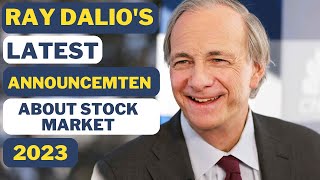
결론: 레이 달리오는 미국이 지출이 수입보다 커 부채 문제가 악화되고 있으며, 경기 침체와 주식시장 추가 하락 압력이 이어질 수 있다고 경고한다. 경기 사이클 진단: 2020년 이후 코로나 대응 재정 지출과 연준의 자금 공급으로 인플레이션이 발생했고, 현재는 단기 부채 사이클의 정점을 지나 수축 국면에 진입한 것으로 본다. 금리와 경제 상황: 실질금리가 상대적으로 높아 현금이 매력적이며, 기술·부동산(특히 주거용) 등 일부 섹터와 주식이 이미 하락세라고 언급했다. 스태그플레이션 우려: 경기 둔화와 높은 인플레이션, 상승하는 실업률이 동시에 나타나는 스태그플레이션 환경이 될 수 있다고 보며, 인플레이션은 연준 목표(약 2%)까지 내려가지 않고 3.5% 수준까지만 낮아진 뒤 다시 오를 것으로 전망했다. 경제성장률은 연 1% 안팎으로 낮게 유지될 것이라고 본다. 장기 부채 사이클: 약 75년 주기의 장기 부채 사이클을 강조하며, 연준의 국채 매입과 부채한도 문제가 시장 수급을 왜곡할 수 있다고 지적했다. 미국이 디폴트할 가능성이 0은 아니라고 언급했다. 재정 구조: 연준이 약 4조 달러 규모의 국채를 매입해 자금을 공급했고, 이것이 현재의 높은 인플레이션을 촉발했다고 설명했다. 미국은 지출이 수입을 초과하는 구조적 문제를 안고 있다. 주식시장 전망: 금리 인상의 영향은 이미 상당 부분 가격에 반영됐으나, 앞으로 통화정책이 이전보다 긴축적일 것이라 주식시장에는 순부정적 요인이다. 다만 신호로 작용할 만큼 큰 폭은 아니며, 시장 전체는 적정가치에 가깝지만 여전히 다소 높다고 평가했다. 향후 수년간 주식시장에 추가 압력이 있을 것이라고 전망했다. 종합: 달리오는 미국 경제와 재정에 대해 여전히 문제가 남아 있다고 보며, 주식시장에는 추가 하락 압력이 예상된다는 입장이다. 출연자 전망 요약: 달리오는 인플레이션 재상승, 저성장, 장기 부채 위기 가능성을 경고했다.
다듬은 글
hell guys welcome to my channel us dot update in this video I will tell you Ray dalio's warning for the economic crisis and U.S recession so we start the main issue is that we are spending more than we earn which is a problem the question then becomes where will we get the money from Ray dalio is perhaps the world's most well-known macroeconomic investor having founded Bridgewater Associates in 1975 and turning it into the largest hedge fund in the world over time when Ray speaks the investing World listens recently he appeared in an exclusive 25-minute interview on CNBC where he shared his updated thoughts on the current state of the economy where we stand in the short and long-term debt cycles and where he believes the markets are headed over the next few years with inflation On The Rise interest rates increasing the economy weakening and stock markets falling let's first hear Rey's opinion on where we are in the economic cycle these things happen over and over again we are now in the 12 point 5 th cycle you know how these Cycles work we've had 12.5 Cycles since 1945 which was the New World Order and the introduction of a new monetary system so let me take you through it quickly you get a funky economy weakness and so on what we had in 2020 of course was a combination of covid and the move from right to left which was a wealth distribution to address this the government had to send out a bunch of checks and the Federal Reserve where did the government obtain the funds the Federal Reserve provided the loan this led to an imbalance and an increase in money supply as a result we entered a classic cycle stimulation credit debt inflation and eventually tight monetary policy currently we are in a spot where real interest rates are relatively high and cash is more attractive than before this indicates that we are past the top of the short-term debt cycle and experiencing a contraction before covid-19 the last 10 years were a boom time with low interest rates easy access to money and economic growth however the pandemic political conflict and a switch in political power in 2020 led to the Federal Reserve printing more money to combat economic weakness this resulted in growth increased demand and inflation pushing the good times as far as they could go but now we can no longer stimulate the economy it appears that the situation is starting to worsen as certain sectors and stocks are declining specifically technology in real estate particularly residential are seeing a downturn this could lead to a stagflation environment which is a combination of economic stagnation and high inflation in this scenario inflation remains High despite a struggling economy and Rising unemployment this is problematic for those in charge of monetary policy as efforts to control inflation such as raising interest rates can worsen the economic situation Ray dalio an investor and an economic analyst predicts that inflation will not decrease to the level desired by the Federal Reserve perhaps only down to 3.5 percent before Rising again at the same time he anticipates that economic growth will remain low around 1 annually this is part of the short-term debt cycle which typically lasts around six or seven years with some variability however there is also a long-term debt cycle that occurs about once every 75 years since 1945 there has been an accumulation of debt and money leading to situations such as the debt ceiling and the Federal Reserve buying debt on its balance sheet this can disrupt the free market supply and demand Dynamics Ray dalio cautions that not enough attention is being paid to this long-term cycle in addition to these economic factors the U.S has also seen a significant increase in national debt due to the pandemic and subsequent lockdowns the government injected money into the economy through stimulus checks and infrastructure projects to create jobs so how did the government acquire all this money well they went deeper and deeper into debt by selling fresh government bonds to the Federal Reserve who printed approximately four trillion dollars of what some might call a new money this triggered the massive inflation we're currently experiencing however the problem is that the U.S is still spending more than it earns and since the debt ceiling has already been reached they can't add fresh debt to replace the old there is now a non-zero possibility that they might default on their debt which would trigger the downslope of the long-term debt cycle unfortunately the interviewer cuts off Ray at this point but he is absolutely right people like to blame everything and everyone else around them but at the end of the day the problem the U.S faces is that it spends more than it earns with that said I do have one more clip for you guys and this one is Ray dalio's thoughts on where the stock market currently sits does he see it falling further where does he think the stock market is does he think we have priced in what could be a recession did we see the worst of it in October where are we right now in terms of value Ray believes that the markets as a whole look like they were obviously impacted by interest rate changes which were bound to happen the impact on other markets has also occurred and they have been priced in now we're probably going to have a tighter monetary policy than existed before which is a net negative for the stock market however it's not a big enough number to be a significant bearish signal when Ray looks at the market as a whole he thinks it seems closer to fairly priced probably still a bit High given the whole picture so there you have it Rey still sees problems on the horizon and he thinks we're still likely to see more pressure on the stock market in the years to come overall these are Ray dalio's updated thoughts on the U.S economy and what he thinks we need to do about it do you agree with Ray let me know your opinions down in the comments section below otherwise thanks very much for watching guys if you enjoyed this video please leave a like And subscribe to the channel if you'd like to see more if that was just for today thanks for watching see you guys in the next video
Comments 0