
저자: JeremySiegel · 외국인
요약 보기
결론: 임금 상승이 새로운 인플레이션 spiral로 이어지지는 않으며, 생산성 회복이 디스인플레이션 흐름을 유지시킨다. 생산성·성장: 작년 약 500만 명 고용에도 GDP 성장률은 1% 미만이었고 생산성은 70여년 만에 최악이었다. 올해는 고용 속도가 절반 미만인데 GDP 성장은 작년의 2~3배로, 생산성 급반등이 나타나고 있다고 봤다. 인플레이션: 최근 상품 가격 하락 등 디스인플레이션 추세가 이어지며, 생산성은 물가를 잡는 기본 디플레이션 요인이라고 판단했다. 최근 반등 조짐은 새 추세로 보지 않는다. 임금: 임금 상승은 생산성 증가(2~3%)로 정당화되며, 팬데믹 이후 실질임금이 뒤처진 만큼 보상 성격도 있다. UAW 등 노조 임금 인상 요구는 자동차 기업 이익을 압박하겠지만 정당한 측면이 있다고 봤다. 주식·금리: 실질금리는 실질 GDP 성장과 연동되어 성장 가속 시 금리도 오른다. 그럼에도 주식이 버티는 이유는 생산성·성장에 따른 이익 증가(분자)가 금리 상승(분모)을 상쇄하기 때문이다. 채권시장은 부진하지만 주식시장은 버틸 것으로 본다. 연준: 연준이 성장 둔화(생산성 약화, 신규 실업수당 청구 증가)를 주시해야 하며, 금리 인하 가능성도 고려해야 한다. 정치적 압력과 고용 지표 악화 회피 요구가 커질 것이며, 연준은 이중 책무상 과거 예상보다 더 대응적일 것으로 본다. 리스크: 생산성 둔화 또는 실업수당 청구 증가 시 연준 대응이 필요해질 수 있음.
다듬은 글
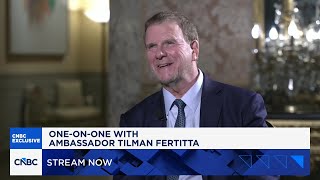
Wharton School professor of Finance Jeremy Siegel joins us now Professor Siegler I was really interested in talking to you today because you've been sort of beating the drum on the disinflation story and that the FED should stop raising rates are you worried that we might see a new wave of inflation with all this strong data no I'm not let me tell you why uh this is a very interesting fact I was just reviewing the data last year we hired um almost 5 million new workers uh net uh Farm payroll and we've got GDP growth of less than one percent it was the worst productivity performance in over 70 years this year we are hiring at less than half the pace and we have two to three times the level of GDP growth that we had last last year why is that one of the biggest bounce backs in productivity that I've ever seen and that's the saving Jay Powell um that's why we could have this tremendous GDP growth and and yet still have the disinflationary trends that are in the economy now it is true you know I'll stop going down commies have stopped going down um but I don't see those as starting a new trend um I see the productivity as being a basic deflationary force that will keep that inflation in check I get it but we still have a tight labor market and that is pressuring wage growth higher I mean in the past a two percent rise in the unemployment rate was required to bring down wage growth by the amount that we that is needed today but weight growth is first of all you know two parts to wage growth one is productivity if the worker is actually producing more than he or she should be getting paid more so if we have two to three percent pounds bounce back in productivity and we have at least that that would actually justify wages being two to three percent higher and also we have a catch-up so you know even though the last year over year real wages have increased since the pandemic in March of 2020 real wages have fallen behind especially you take a look at the UAW they were under three-year contracts three percent a year Well when you have eight eight nine percent inflation you're going to fall behind they're asking for some payback for the Lost real income yeah that's going to hurt the profits Ford and General Motors and several others but nonetheless I I think in many ways they deserve some of that payback and they deserve a growth in productivity so I'm not as worried about the wage growth as as Powell seems to be because I don't think that that actually means a new inflationary spiral Professor Siegel in terms of how the stock market has been digesting all of this it seems as if there was great comfort that we were headed for something approximating a soft Landing in the economy and very quickly that turned into wait a second maybe the economy is re-accelerating maybe it's a little bit too quick maybe rates have to go higher on the long end and Ken stocks handle that I mean you could also just say the stock market needed a pullback because of the run it had before this anyway but how does this all play out because it seems like higher rates than the economy can handle means we we all of a sudden might be looking into next year for saying do we really have to choke off growth does the FED have to do more or will rates themselves tip us into a downturn well Mike one of the basic things we teach in economics Is that real interest rates are very linked to real GDP growth so you know you were talking about that earlier quite correctly the acceleration of real GDP growth means higher region real interest rates and therefore higher nominal interest rates for any given rate of inflation why is that not tanking the stock market now because re real increases in productivity and real growth increase profits so therefore we have that great battle between the numerator and the denominator of what gives us stock prices profits in the numerator look a lot better than they did three months ago even though that denominator has gone up so the bond market is not done well the stock market is holding its own and you think it can continue despite this while I I think it could continue now you know this is a big increase in real rates Justified I think by the increase in growth I do think that you know chairman Powell and the FED have to be very two-sided if they see a slippage of that productivity growth and uh you know any sort of uh increase in initial claims and again we got another good number for claims uh this morning he has to think about not only holding but do I have to decrease the rate don't forget we are going into Political season I guess you could say we're in political season and have been for a long time pressure is going to be mounting not to get a bad employment print and he needs a dual mandate so I think that he will be responsive uh certainly more than I thought that he would be six or 12 months ago


Comments 0