원문 보기
Good morning everyone. As the world wakes up and cities come alive, the pulse of the global economy beats quietly in the background. Every day, millions of people make decisions, big and small, that shape our financial future. But behind the scenes, there are a few key voices whose insights ripple across markets and influence the choices of leaders, investors, and everyday families alike.
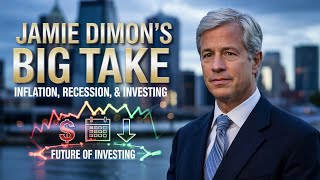
Today we're focusing on Jaime Diamond, the chairman and CEO of JP Morgan Chase, one of the world's most influential banks. Diamond isn't just a banker. He's a figure whose words can move markets and whose decisions impact economies around the globe. With decades of experience at the helm of major financial institutions, he's become a trusted voice in both calm and turbulent times.
Diamond's unique vantage point gives him access to vast economic data from consumer spending to global investments. He sees trends before they become headlines, and his team analyzes everything from employment rates to international trade flows. This access allows him to spot opportunities and risks that most of us might miss.
When he speaks, leaders in government, Wall Street, and business listen closely. His opinions are sought after by policymakers, CEOs, and investors who rely on his judgment to help guide their own strategies. Diamond's influence extends far beyond the walls of JP Morgan Chase. He's known for his straight talk and datadriven analysis, especially during times of uncertainty.
Unlike many executives, Diamond doesn't shy away from tough questions or uncomfortable truths. His cander has earned him respect even among his critics, and his ability to break down complex issues makes his insights accessible to a wide audience. Diamond has steered JP Morgan through crisis, earning a reputation for cleareyed leadership.
From the 2008 financial meltdown to more recent economic shocks, he's been at the center of efforts to stabilize markets and restore confidence. His steady hand has helped guide not just his company, but the broader financial system. His insights act like an economic checkup, highlighting both strengths and warning signs.
Just as a doctor diagnoses health issues before they become serious, Diamond's analysis helps us understand where the economy is strong and where we need to be cautious. On September 23rd, 2025, Diamond shared new thoughts on the US economy's direction. His remarks were closely watched by analysts and reported widely in the media as people looked for clues about what might come next for jobs, inflation, and growth.
He's identified challenges ahead that deserve our attention. From rising interest rates to global uncertainties, Diamond's warnings are not meant to alarm, but to prepare us for what could be on the horizon. He encourages us to stay informed and proactive rather than reactive. Understanding his perspective helps us make smarter financial decisions.
Whether you're managing a household budget or running a business, Diamond's insights can help you navigate uncertainty and plan for the future with greater confidence. So, as we look ahead, let's dive into what Jaime Diamond sees on the horizon and discover how his experience and vision can help guide us through whatever comes next.
Jaime Diamond's main message, it's one of realism, not alarm. As the CEO of one of the world's largest banks, Diamond's words carry weight, and he's choosing them carefully. He's not sounding the alarm bells or predicting a financial catastrophe. Instead, he's offering a measured assessment of where things stand.
The US economy is weakening, but it's not a disaster. Yes, there are signs of slowdown. fewer people out shopping, businesses pulling back on hiring, and a general sense of caution in the air. But this isn't the kind of dramatic downturn that makes headlines or sparks panic. He's signaling caution, not crisis.
Executives are reviewing their plans, analysts are watching the numbers closely, and everyone is aware that the pace of growth is shifting. But there's no sense of chaos or emergency, just a collective pause to reassess and adapt. Think of it as a weather forecast. Clouds are gathering, but there's no hurricane on the horizon.
The skies might look a bit gray, but there's no need to board up the windows or rush to the store for supplies. It's a time to be prepared, not to panic. We're entering a period of slower growth. Companies may hire less and people might spend more carefully. Households are starting to pay closer attention to their budgets and businesses are making more conservative decisions.
This is a natural response to uncertainty, not a sign of collapse. This is a normal part of the economic cycle, not a collapse. Economies go through ups and downs, periods of rapid expansion followed by times of cooling off. What we're seeing now is a slowdown, not a freef fall. Diamond's point, the foundation remains solid even as momentum slows.
The banking system is stable and the underlying structures of the economy are holding up. There may be some cracks, but the house isn't coming down. He's not predicting a deep recession, just a gradual cooling off. The temperature is dropping, but it's not freezing. Growth is slowing, but it's not stopping altogether.
For policymakers and business leaders, it's a call to be vigilant and make smart choices. They need to monitor the situation, adjust their strategies, and be ready to respond if conditions change. It's about being proactive, not reactive. For the rest of us, it's a reminder to be prudent, not fearful.
Everyday people can take steps to manage their finances, avoid unnecessary risks, and stay informed. There's no need to make drastic changes, but it's wise to be cautious. The key takeaway: manage risks, but don't panic. Just as you'd carry an umbrella if rain is in the forecast, it makes sense to prepare for uncertainty.
But there's no reason to expect a storm that will wash everything away. Diamond's reassurance is that the system isn't on the brink. The financial markets are holding steady and there's confidence that the institutions in place can weather this period of slower growth. We're facing challenges, but they're manageable.
With cooperation, careful planning, and a steady hand, both businesses and individuals can navigate this phase successfully. Stay alert, but stay calm. The message is clear. Be aware of the changes. Adapt as needed, but don't let fear drive your decisions. The road ahead may be slower, but it's still steady.
Diamond's first big concern is soaring government spending worldwide. When governments spend more than they collect, they borrow, injecting extra money into the economy. This can drive inflation as more money chases the same goods. It's not just a US issue. Global deficits amplify the effect. More demand for resources pushes up prices everywhere from groceries to gas.
These deficits are tough to re in, making inflation harder to control. Even if central banks raise rates, high government spending can keep inflation stubbornly high. Diamond warns, "This is a long-term imbalance we can't ignore. It's a fundamental challenge for policymakers worldwide." Diamond also highlights the remilitarization of the world as a major economic shift.
Rising global tensions mean countries are ramping up military spending. This pours billions into defense industries, driving up demand for materials like steel and electronics. Unlike infrastructure, military spending doesn't create consumer goods, but it still fuels inflation. Scarce resources get pricier for everyone, from car makers to tech companies.
This trend isn't temporary. Defense budgets are rising for the long haul. Diamond sees this as a structural change, making inflation harder to tame. It's a new reality for the global economy. Central banks must now factor in persistent inflation from military spending. Another concern, the restructuring of global trade.
For years, companies chase the lowest costs, but now supply chain shocks and geopolitical risks are changing that. Firms are moving production closer to home or to allied countries on shoring and French shoring. This shift boosts security but raises costs as manufacturing in the US or Europe is pricier.
Higher production costs mean higher prices for consumers. Diamond sees this as a long-term driver of inflation. The era of ever cheaper imports is ending. We're trading efficiency for resilience and paying more for it. Diamond's fourth worry is a new $100,000 fee for each H1B visa. This makes it much costlier for US companies to hire skilled foreign workers.
Firms will compete harder for domestic talent, driving up wages. Higher wages are good for workers, but they raise business costs. Companies will likely pass these costs to consumers, fueling inflation. It's a clear example of how policy changes ripple through the economy. Diamond warns this adds to the inflation puzzle.
Every piece from spending to labor makes inflation harder to control. All these forces feed into one stubborn problem, inflation. The Fed aims for 2% inflation, but the latest data shows prices rising at 2.9%. That gap erodess your purchasing power. Groceries, gas, and rent all cost more. This is what economists call sticky inflation.
It's tough to bring down. Diamond's caution comes from seeing multiple pressures keeping inflation elevated. The Fed is watching closely, especially with new data coming soon. Conflicting signals make it hard to predict what's next. The fight against inflation is far from over. Diamond's message, expect a longer battle to reach stable prices.
So, how is the Federal Reserve responding? They're walking a tight rope. Balancing inflation control with supporting jobs. Raising rates fights inflation, but can slow the economy. Cutting rates risks higher inflation. In September 2025, the Fed cut rates slightly, signaling concern about slowing growth.
Chair Jerome Powell calls it risk management, tapping the brakes, not slamming them. The Fed is cautious, not promising rapid cuts. Policymakers are divided on the path forward, reflecting deep uncertainty. They're moving step by step, guided by the latest data. The goal, avoid both recession and runaway inflation.
It's a delicate ongoing balancing act. Bringing it all together, Diamond's analysis points to a sense of cautious realism. He doesn't sugarcoat the situation, but he also doesn't predict doom. Instead, he urges us to look at the facts with clear eyes and steady nerves. The economic landscape is shifting.
And while there are reasons for concern, there are also reasons for hope if we act wisely. The economy is slowing and inflation is proving stubborn. Everyday Americans are feeling the pinch at the grocery store, at the gas pump, and in their monthly budgets. These pressures are real, and they're not going away overnight.
These aren't short-term blips. They're driven by deep global changes. Government spending is at historic highs. Military buildups are reshaping priorities, and global trade is being redefined by new alliances and shifting supply chains. The world is more interconnected than ever, and shocks in one region can ripple across the globe.
At the same time, labor costs are rising as workers demand fair wages and businesses compete for talent. Construction, manufacturing, and service industries are all feeling the impact, pushing prices up across the board. These cost pressures are structural, not just cyclical. The Federal Reserve is responding carefully, cutting rates, but staying vigilant.
Policymakers are walking a tight rope, trying to support growth without letting inflation spiral out of control. Every decision is weighed with caution, knowing the stakes are high for families and businesses alike. Diamond's key message is clear. This isn't a disaster, but it's a time for prudence.
He encourages leaders and individuals to make thoughtful choices, to avoid overreacting, and to focus on long-term stability rather than short-term gains. We should prepare for slower growth and higher prices, but not panic. Families can adapt by budgeting carefully, and businesses can plan for uncertainty by building resilience into their operations.
It's about being ready, not being afraid. The challenges are real, but they're being managed. Across the country, teams of professionals, government officials, and community leaders are working together to find solutions and keep things moving forward. Smart decisions and patience will help us navigate this period.
like a ship steering through rough seas, steady hands and clear vision are essential to reach calmer waters ahead. The goal remains a stable, sustainable economy, one that supports families, encourages innovation, and builds a foundation for future generations. Progress may be slow, but it is possible with determination and unity.
So stay alert, stay informed, and stay steady. By working together and keeping perspective, we can meet these challenges and move forward with confidence.






Comments 0