
저자: JeremySiegel · 외국인
요약 보기
결론: 재정부양 2차 및 연준 테이퍼링 가능성 속에서도 주식은 실물자산으로서 유리하다는 낙관적 입장. 재정정책: 1차 부양에 이어 세금 인상과 추가 지출이 포함된 2차 조정법안이 있을 것으로 봄. 시장 추세는 여전히 상승 쪽. 연준·금리: 파월의 인플레이션이 일시적이라는 견해에 동의하지 않음. 테이퍼링은 8월 잭슨홀 이전, 7월 13일 CPI 및 다음날 PPI 결과에 따라 더 빨리 시작될 수 있음. 테이퍼링 우려로 단기 시장 흔들림(트리머)은 예상되나 끝나지 않았다고 봄. 금리가 2% 미만이면 여전히 매우 완화적이며 자금은 주식시장으로 계속 유입될 것으로 봄. 인플레이션 헤지·자산: 주식은 좋은 인플레이션 헤지. 주택가격은 중간값 20% 상승, 원자재 CRB 지수는 팬데믹 이전 고점보다 20% 위. 인플레이션 상승은 수년간 지속될 것으로 보고, 채권 대신 실물자산으로 이동할 것이라 봄. 배당주: 배당수익률이 인플레이션으로부터 보호되는 주식이 1.5% 장기채보다 매력적이라고 봄. 다만 인플레이션 보호는 안 된다고 단서를 달았음. 리스크: 테이퍼링 발표 시 시장 흔들림, 재정 긴축 및 인플레이션 장기화 가능성.
다듬은 글
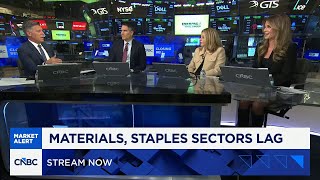
let's bring in wharton school of finance professor jeremy siegel professor siegel great to see you as always thanks for joining us happy to be here so so are you very bullish on the fact that we're adding further fiscal stimulus to the uh already significant monetary stimulus or was that already somewhat expected and priced into the market well i i i think it wasn't expected and by the way i think this is part one i think there will be a part two uh later on in a reconciliation bill uh and that one will have some tax increases uh in it but some more spending uh and the trend of the of the market is is still decided the upward if you remember last last week just before the fed meeting i said we would have what i call paper trimmers in the market and we did and we're going to have some more of those i am not as sanguine as a jay powell uh that this is just a fleeting inflationary expectation but at the same time that's not bad for stocks stocks are real assets it's bad for bonds but but uh you know spending and moderate inflation is not bad for stocks so how how big a tremor will we have uh professor siegel when jay powell if that's what you're suggesting comes out and confirms that tapering will start sooner rather than later perhaps even at jackson hole uh in august yeah and then and perhaps even sooner than jackson hole uh you know we have the the next pricing uh data that i'm looking at is going to be that cpi on july 13th and that's that's going to be uh very important in in terms of them can that that's the bottom line that often shapes expectations going forward so if we if we get a hot reading on that and then the following day we have the ppi you know he may be forced into a taper announcement even earlier than the august jackson hole uh conference again i don't think that's any i mean it'll cause a trimmer in the market because everyone thinks the only reason for the bull market is the easy fit i think there's a lot of other reasons why the market's going up but nonetheless uh you know uh the these tremors are not over by any means well not just the fed jeremy what professor siegel i should say if the fed starts pulling back on the stimulus at the same time where fiscal stimulus is fading it was pretty front loaded do you not think that the economy faces a slowdown after these very high growth rates remember pulling back on stimulus uh means tapering 120 billion dollars a month keeping interest rates at zero it's still extraordinarily stimulating in a strong economy and in a moderate inflationary economy you know any any interest rate under two percent is still extraordinarily stimulating so uh certainly relative to what we've seen in the last five years it will look like oh my goodness the fed is beginning to tighten but relative to the history of monetary policy uh this is still a very very easy and loose fed and i think the money will continue to flow into the stock market so so uh equity is obviously a good inflation hedge in your mind what are the other key assets that that would be big weights in your portfolio at the moment well i think uh you know and we've already seen them look at the property prices as we see i mean the median home price up 20 now i actually said that when this inflationary bump that we're going to get is over we're going to have a cpi that's 20 percent higher than we did coming in to the pandemic so in one way the property market is virtually junk there already in fact many of the commodities have jumped there already we're we're 20 on the crb index above the pre pandemic high so uh you know a lot of people say oh look at lumber's coming down copper's coming down everything like that but they're still much higher than they were pre pandemic uh and i think what these uh more gdp oriented indexes are very slow to catch the housing increases and the other inflationary increases that i think is going to last several years into the market and people are going to just say listen i can't go into bonds i'm going to go into real assets property's up 20 um uh that's pretty high uh i still like stocks and dividend yields that are protected from inflation look awfully good compared to a uh one and a half percent long bond not protected from inflati



Comments 0