저자: JamieDimon및LarryFink발언인용,진행자제외 · 외국인
요약 보기
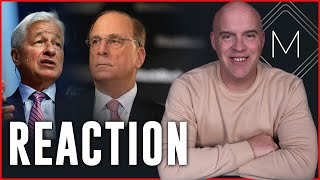
결론: 두 금융 수장 모두 고금리 장기화와 경기 둔화 가능성을 경고하나, 당장의 급격한 침체보다는 점진적 구조 변화에 무게를 둔다. [Jamie Dimon 발언] 미국 10년물 금리가 4.6~4.7% 수준이며 7%까지 갈 수 있다고 본다. 수급 요인이 금리를 더 올릴 수 있다는 의견이다. 8%도 감당 가능하다는 리스크관리 입장을 밝혔다. 고금리로 IPO 감소, 중소·중견기업 자본조달 비용 급등, 사모 자금조달 확대 등 구조적 변화가 나타나고 있다고 봤다. 인플레이션은 통화량 증가 문제로 보며, PPI·CPI 수치가 실제 체감보다 낮게 나온다고 평가했다. 최악 시나리오는 저성장·고금리의 스태그플레이션이다. 캐나다 정부 대출 등 고금리 전환 시 상환 부담 확대를 우려했다. [Larry Fink 발언] 미국은 30년 고정 모기지가 주류라 고금리 충격 전파가 느리고, 영국·캐나다처럼 변동·5년 리셋 구조인 곳이 더 취약하다고 봤다. 유럽은 고금리에 민감해 GDP가 정체 또는 둔화 중이며, 소폭 침체 가능성이 있다고 봤다. 미국은 2025년 무렵 침체 진입 가능성이 있으나 단기에는 아니라고 봤다. 인프라법·반도체법·IRA로 고용·투자 효과가 기대된다. 노동 부족 논쟁에 대해서는 고숙련 직군은 충원되었고 부족은 저임금 서비스직 중심이라고 구분했다. AI는 기업 효율성과 성장에 큰 가치를 더할 수 있다고 봤다. [종합] 진행자는 두 발언을 종합해 비관적 시나리오를 경계하며 리스크 점검을 강조했다. 특정 종목 매수 추천은 없음.
다듬은 글
good morning everyone welcome to the market mindset uh we're doing another reaction video actually two two short videos but they're on the same topic two of our our favorite people to talk about uh I just but it's JP Morgan Jamie Diamond and lar uh Black Rock CEO Larry fin uh in part because they control a lot of the narrative and uh their insight as to what's happening with interest rates uh is very useful so let's take a look at the first one this is Jamie Diamond uh from JP Morgan I just tell people be prepared for higher rates and slow 7% are we really going there and I don't know when I said 5% they said are we going there yeah it's possible you know so I when I talk to my board I say yeah it can't it go to 7% the answer is yes are there factors that would drive it you know higher than you know where it is today you know four and a 46 or 47 a 10 year bond now yes uh is supply and demand Kush ey yes okay let's just stop right there a 7% That's hard for people to to stomach I mean we're at the five so if you're walking in doing a refinancing in the US on a 30-year it's like seven and a half percent you were getting two and a half to three uh years ago this is a significant change this this could bankrupt your retail uh no problem uh without a doubt now the issue is is that how many people did variable rate mortgages how many people locked in if you locked in your 30-year rate uh congratulations you you have made an excellent move but a lot of people didn't uh a lot of people just assumed that rates would be pretty flexible and within reason uh right now in order to buy a home exceptionally difficult uh if you want to get uh 7% mortgage on a million dollars that's that's a whole other story so let's let's continue I'm I'm just saying be prepared for it so and and and and then the worst case is St flation you know higher rates because you have a booming economy and there's a lot of competition for capital is not the same thing as stagflation what are what are the Ripple effects of the stress of that 7% rates on business on your growth well I'm not worried about JP Morgan JP Mor you know we we are prepared we can handle 7% we can handle 2% again 8% yeah we can handle that too I mean that's I mean that's that risk management is not the same thing as guessing the future let's just stop there invested banks have hold risk management departments and they go over their books and they look at everything uh this is an exceptionally important thing that they they do uh 2008 highlighted that where they kind of dropped the ball where the risk management departments uh their models were off or they were uh uh misguided with them but this is a huge factor of when you're looking at an entire portfolio of an investment Bank uh and a lot of smart Minds doing this the average person uh if they're not paying attention doesn't have those kind of resources or or that type of insight as to what everything could look like for their own portfolio their own assets their own uh you know life insurance plus portfolio plus this and that uh it's it's a very different ball game so when rates really begin to move you see it on smaller businesses medium-sized businesses the cost of capital to raise money for any of these businesses goes through the roof so we're seeing a lot less IPOs a lot less financings and the financings that are done are done through more private uh ways rather than in in an investing bank or through brokerage houses so you can see it causes an entirely structural change and it comes down to that conversation that first came out whether this was a structural issue or if it was just inflation uh for inflation sake um and once again different people consider inflation different things we look at it as uh money Printing and a lot of people don't um and also we also really don't think that the PPI and cap API numbers are terribly important I mean they're important because some people think they're correct they're generally revised quite often and they're generally exceptionally low compared to what the actual uh running around retail purchase for for people right now inflation's through the roof even though they try to tell us that it's oh it's we've we've got us somewhat contained um I I can easily argue against that uh just walking around trying to buy groceries uh the cost of energy uh cost of Transportation any of these things so let's continue when risk manager looking the range of potential outcomes and being able to say to yourself we can handle this we can handle this we don't really expect it and we can handle the in between you know if you bet your company on you know one outcome so I think all companies do that you know every company's got different exposures you know input prices output prices you know some interest rates don't matter some it's the price of mozzarella so what's your business your business is different so uh but I I think we don't know the effect of these things in the economy so they may we may have a soft Landing we may have a mild recession we may have a harder recession you know obviously there are potential bad outcomes the you know the worst one would be economically is stack inflation right where you have low growth High interest rates and obviously if that happens you're going to see you know a lot of people struggling we're gonna stop there so that's the likely outcome uh and that's a very pessimistic way of looking at it I know the news keeps telling us the market the the economy is strong and resilient and it's more buoyant than ever uh but the mainstream news has been wrong almost every time for the past five years uh so it's not something to laugh about it's you're better off to be more concerned and more worried uh and and thinking about what's your plan because think of all the corporations I think of even just the small businesses that took out loans think of the people that took out the loans here in Canada from the government uh where they're where they're giving 4060 $80,000 out and they said one year you don't have to pay any interest rate then apply an interest rate they're going to apply an interest rate of 8 10% uh that's possible uh and how are you going to pay that back and especially you go and refinance your home as well so we're about to see uh things really come to a bit of a halt and we haven't priced in I I mean we haven't even priced in any of these ideas of ESG uh that they've spent trillions towards a lot of you know battery plays and whatnot without touching the grid what's it look like for companies when the cost of just doing business and permitting is also through the roof so we're definitely in a in a period of transition lots of factors uh I don't mean to sound like too much of a wet noodle but uh it was important to have that quick conversation and some feedback and some thoughts tell me what your thoughts are what you think of Jamie Diamond what do you think of his kind of running uh in between there uh and whether you thought his overall message was hopeful or do you think he's also kind of leaning towards stagflation now let's take a look at Larry think so so I think we have to analyze that by each region because the United States um our home mortgage Market is based on a 30-year mortgage so anybody who has a home mortgage higher interest rates does not impact them and so the transmission of high elevated interest rates in the US takes much longer to impact the economy whereas in other places where you have more floating rate or like in the United Kingdom where you have generally a fiveyear fixed and then it resets okay this is an important factor that Larry think is making because according to the Washington Post uh by 2021 only 2.2 2.2% of mortgage applications were for adjustable rate mortgages while in 2022 85% mortgages were fixed 30e so all of these new 2022 rates are locked in uh so they're locked in for 30 years so that's a good sign uh there are of course the people that uh have refinanced in 2015 16 17 18 with exceptionally low rates if they had gone variable they're going to refinance now at at exceptionally higher rates so he's makes a good point having a 30-year fixed uh if you had locked in your rates the this has no effect this is this is fine for you your your cost of living is very manageable and he's also obviously correct in stating a country like Canada where you have a five-year fixed uh is much more uh at risk uh of of the fluctuations in the market because you know if this continues uh they're going to have to refinance at dramatically higher rates and so let's assume 20% of the mortgages have to be uh you know uh reevaluated at a higher level that creates more immediacy that higher rates so I think we're going to see some economies enter recessions early which ones would that be well I think Europe any more sensitive to the ones that are more sensitive this elevated interest rates and you're and you're starting to see a real decline u in GDP and other you know they're basically flat now but can they go into a a more protracted recession whatever the recessions we're going to have they're going to be quite modest so I'm not even that fearful but the other issue let me just say one thing then I'll in but I but I believe if we have Labor shortages if we're getting back to this whole social issue of how are we going to be doing this in many areas you may need a recession to bring down labor demand and so and I think this is one of the things that's going to impact in the United States you still have a very vibrant economy s stop from there this this myth of Labor shortages and demand they like to pretend that this is that we've got a shortage of corporate jobs a a shortage of engineering jobs a shortage of science uh you know uh you know Finance uh software development we don't those positions are all full uh what he's talking about is a demand for Tim Hortons for restaurants for very very low uh entry level markets so he they a lot of times politicians and people like Larry like to pretend that those two things are similar and they'll say well we need to drive in Immigration because we need to have these jobs filled uh he's not talking about careers career jobs uh that's not the case and that's a bit of a frustration I have whenever you hear people talking about uh our a need for driving in you know migration or driving in numbers of of people to work jobs because you're asking them to come in and not live the the American dream you're asked them to be working at h a fast food restaurant and plus two other jobs uh you know maybe you know a ride sharing and Uber delivery in order just to get by uh um so it's very it's you know it's the type of person that that presents that uh argument and it's very very frustrating the United States and the and the as I said the Jake curve of the infrastructure act the chips act the IRA which has huge implications um that's going to be creating jobs and so it may require a more protracted Federal Reserve and it may mean by 2025 the U the United States economy may be entering a recession but I don't see it any time in the near term now that's even more serving because he's saying that he doesn't think there's any issues right now which there clearly are I mean us is in big trouble if you look at any metric uh and you take the politics out of it um it's it's not doing well so if he thinks it's not doing badly right now but it could do badly in 2025 that's not great on the good side of things is we can look at the possibilities that AI can bring for efficiency and growth I mean that can add a ton of value to a lot of companies very quickly and we're ALS Al look he is true in that the trillions that they're they're putting out there in in an infrastructure bill um that could really ignite the economy but we're talking some of these battery factories 26 2026 2027 2028 that's down the road uh so for a lot of people just living today for for today uh that's pretty far out um it's a lot easier and you can read the comments for billionaires to have all the time in the world to to make very strategic infrastructure plays and larger macro plays that uh look promising and they do uh uh you know there's a lot of promising things down the road but what are people doing today to deal with the significant issues that a lot of politicians have caused along the west let's just say all of Europe and North America um that's it for now lar Larry goes on a little bit more um but uh it's important to hear both him and and Jamie Diamond because listen they control exceptional amounts of the market control of money and have influence like very few others thanks so much for watching and I look forward to you to sending me some comments give some feedback tell me what you think of Larry think and uh we'll continue that conversation on the channel take care subscribe find out some more


Comments 0