저자: JeremySiegel · 외국인
요약 보기
결론: 원유 감산은 시장의 큰 변수가 아니며, 연준의 긴축과 경기침체 우려가 주식시장에 더 큰 부담이라는 견해. 인플레이션 관련: 연준은 식품·에너지를 뺀 근원 인플레이션을 주로 본다는 점을 강조. 사우디의 감산은 경기침체 우려로 떨어진 유가를 두달 전 수준으로 되돌리는 효과라고 해석. 에너지 관련: 미국은 유럽·일본 대비 에너지 자급도가 높아 원유 가격 상승의 영향이 상대적으로 작다고 봄. 원유 관련 주식은 상승했으나 천연가스는 신저점 근처로 하락. 주식시장 전망: 연준 3월 회의 공식 전망이 올해 하반기 3개 분기 연속 마이너스 GDP 성장을 제시한 점을 우려. 이런 긴축 수준이면 주식이 상승하기 어렵다고 봄. 레온 쿠프만의 평탄~약세 전망과 방향을 같이함. 투자 기간별 견해: 6~9개월 관점에서는 낙관하기 어렵다고 보며, 2024~2025년은 주식 밸류에이션이 장기적으로 괜찮아 보여 더 긍정적. 장기 보유자는 겁먹을 필요 없다는 입장. 데이터 관련 리스크: SVB 사태 이후 은행권 위축 효과(chilling effect)는 아직 고용 등 경제지표에 반영되지 않았고, 5월 이후에야 드러날 것이라 봄. 3월 고용보고서보다 이 점을 더 중요하게 봐야 한다는 입장. 연준 5월 3일 회의 전후로 이 위축 효과를 연준이 교정해야 한다고 주장.
다듬은 글
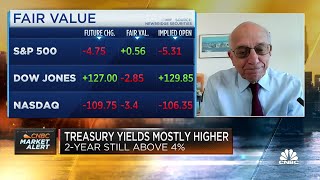
Jeremy Siegel's here professor emeritus Finance of course at the University of Pennsylvania's Warden School of Business well this added a new wrinkle to the mix Professor because we now have inflationary pressure you were just hearing from Brian as a function of of what opec's doing I don't know if that was in the fed's calculus and therefore what they're going to have to do about it that's that's true Andrew uh but remember the the FED mostly watches core inflation which excludes uh the food and energy component um secondly it's it's uh thank goodness that the U.S is virtually energy independent uh as compared to Europe and Japan and other parts of of the world so uh we do have a lot of offset I mean the we have a lot of producers that are going to gain that aren't in other countries uh we see the jump in oil uh stocks I think something that is was interesting to me uh natural gas today uh which by the way is more important for heating and electricity generation actually bump to new lows uh uh uh so uh a lot of our energy at least in in the near term is not going up I I actually don't think this is going to be a major issue I mean again that the Saudis did this offset the decline because of the fear of recession uh you know caused by an overtight fed um and they're just bringing the price back up to where it was uh two months ago so where where are you there for on on the larger equity piece of the market we were talking to Leon Koopman earlier and he has let's say a flatish to potentially dourish view does not have a a a particularly bullish view on the universe especially when you start to look at the indexes yeah well you know as as I said last week uh you know I was really Disturbed the the fed's official forecast that it gave in its March meeting is for negative GDP growth over the last three quarters of this year which of course just started uh a couple of days ago um uh 0.4 for the year and we're gonna have two and a half to three percent first quarter means negative second third fourth quarter it's hard to be really optimistic about equities If the Fed wants to design a negative GDP growth now maybe they don't understand their own forecast if you put it to them did you say hey do you know what you just forecast there I don't know if they'd step back from that but certainly that was not a very encouraging forecast if they want to be tight enough to produce that negative it is going to be hard for equities to make progress oh well and that look we've been speaking for years you have historically been on the polish side and by the way on the right side because over time things typically do go up over time when you think about sort of your your outlook is that a six-month Outlook is that a 12-month Outlook if you had a two or three year outlook where do things sit for you well I I think you know that is a that would be three six nine months I mean I I actually think that uh I'm more optimistic for 2024 and 2025 I mean I think the valuations of of stocks look good to me in the long run long-term holders I don't think should be frightened but you know I I it's hard for me until the FED sees right you know what the effect and by the way what's interesting is that the data we're going to get we're going to get the labor report later this uh you know week and and a lot of other data actually means less now uh than it did before svb because all the data we're getting now doesn't reflect the chilling effect of the banking crisis uh we're not going to really get that data until uh very late in April and and May May 3rd is the next fed meeting they'll just begin to get that data so in a way you know you know everyone looks at the labor app report I will look at the labor report but again it will not reflect what has happened in the banking sector and uh that's a chill that I think uh the FED has to correct which means



Comments 0