
저자: CNBC Television · 외국인
요약 보기
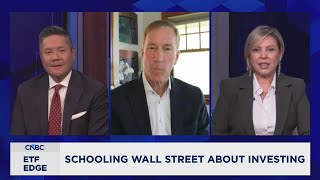
CFRA의 아룬 순다람은 중간선거 이후 증시 흐름이 대체로 긍정적이었다고 설명했다. 그는 민주당이 하원과 상원을 모두 차지할 가능성이 높다고 보았다. 공화당이 예상을 깨고 승리할 경우에는 정책 전망이 바뀌면서 시장에 상방 서프라이즈로 작용할 수 있다고 분석했다. 다만 이란 관련 지정학적 리스크와 유가 상승을 올해 가장 큰 변수로 꼽았다.
다듬은 글
ing today as oil prices drop ahead of the midterms tomorrow. The Dow's up 1%. It's leading the way and bond yields are retreating with the 10-year below 4.9%. That's down from 5.3 at the highs about a month ago. History suggests uh suggests the stock market rally should also continue because since 1990, the 6, 9, and 12-month returns after midterm elections are positive 100% of the time according to JP Morgan.
and the average gains are about 15% in the following year. Our next guest says it's not just the election cycle that should support more upside from here. Let's bring in Arun Sundaroom. He's a senior investment strategist at CFRA. Arun, it's good to see you. And first of all, do the midterms have this effect?
Because almost by definition, a midterm election means the other party gains a little in the M and and so you kind of have this gridlock effect. Yeah. Yeah. Yeah, I mean history kind of always tells you that the president's party tends to lose seats during during the midterms. So, especially in the House.
So, uh I think the odds are very high that in the House Democrats take control there. There's a little bit more I guess debate on on the Senate side, but um at CFR our firm, we think the the Democrats take also take the Senate as well. But, um interestingly for the markets, you know, the markets never, you know, completely cared about who won the midterms.
It's more about, you know, everyone's kind of saying this, but it's it's it is true, I think, that the midterms are a bit of a clearing event. Um markets tended to do do better once we get past the midterms. Um an interesting statistic is that from October of midterm election years to the following October, um the markets have never been down going all the way back to World War II.
Uh and on average, it's been up about 16% uh year year-over-year. Uh and on top of that, you know, Q1 of of 2027 will be year three of this presidential cycle, and that's historically been the best quarter out of the 16 quarter presidential cycle. So, um I think the calendar is is very much in our favor right now over the next um quarter or two.
Just going to point out the obvious. Everyone seems to be in agreement about uh kind of Democrats with the with the House and any with the Senate. If there's a red surprise, is that negative in any meaningful way across the financial markets or would it be a positive? Just hypothetically speaking, the Wall Street Journal is talking about this today as well, but hypothetically speaking, if there were a red surprise, what would the impact be?
Would it still all be the same as far as you're concerned, midterm elections, positive results? Yeah. I I mean I think if there's a if there's a red wave I think that there certainly be um policy implications, changes to policy outlooks and I think that could be an upside surprise for markets because actually um looking at historical data too um under Republican president and a Republican Congress uh markets historically have have um performed better than under um uh especially under a blue uh Congress.
Um, and in fact, even under Congress, uh, if we saw a blue blue house, but a red Senate, um, that has historically been better for markets as well. So, I think that I mean, I think the worst case scenario for the markets is probably a blue sweep of Congress, but yet, like I said, still 12 months later, markets tend to be up.
How are you thinking about oil prices here, fuel prices, and this uh potential event in Iran or or lack thereof? Yeah, I think I think geopolitics fuel is the big wild card here. This is the one uh thing that's really hard to predict. Um you know like I said you know markets historically treated the midterms as a as a clearing event but this year we have a lot of geopolitical uncertainty especially um with the war in Iran.
You know we actually did take up our oil price estimates for this year as well as uh next year. Next year we see uh oil prices averaging about uh $85 a barrel. We were about 70 $70 a barrel. Uh we wouldn't be surprised if there is some escalation shortly after the midterms. uh not just US Iran escalation too but there's you also have to remember that you know there's there's the Houthis that are um attacking Saudi infrastructure they're blocking the Red Sea so I think there are some supply oil supply related risks heading into 2027 and I think that's that's a big wild side.


Comments 0