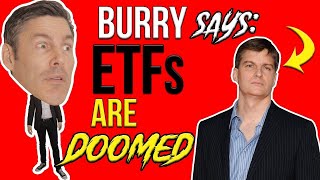
저자: 마이클버리 · 외국인
요약 보기
한 줄 결론: 마이클 버리는 패시브 인덱스펀드·ETF의 확산이 가격 발견 기능을 훼손해 거품을 만들고, 유동성 부족과 파생상품 위험 때문에 붕괴 시 큰 손실이 날 수 있다고 경고한다. [핵심 주장 1: 가격 발견 기능 상실] 인덱스펀드·ETF는 개별 종목의 기본적 분석 없이 자금을 자동 배분한다. 농지 비유에서 ETF 운용자는 가격과 무관하게 매수해 가격을 끌어올리고, 뒤늦게 들어온 투자자는 과대평가된 가격에 산다. [핵심 주장 2: 유동성 위험] 기초자산(농지) 거래량이 지수 대비 매우 적으면 패닉 매도 시 출구가 좁아진다. 극장 화재 비유로, 출구는 그대로인데 사람만 몰린다. 마켓메이커는 가격 괴리를 차익거래로 메우지만, 기초자산 매매가 느리면 공급자가 한꺼번에 빠져 가격이 급락한다. [핵심 주장 3: 파생상품·상대방 위험] 버리는 2008년 금융위기처럼 파생상품과 나ked 매매 전략이 시장 흐름을 인위적으로 맞추다 한꺼번에 풀리면 붕괴가 증폭된다고 본다. 사이드 베팅 비유에서 상대방(크리스)이 파산하면 이익이 나도 회수할 수 없다. [언급 종목·자산과 방향] 인덱스펀드·ETF 전반: 거품 및 붕괴 위험 경고(하락 방향 우려). S&P500·나스닥 등 지수 기반 상품: 가격이 기본 가치가 아닌 유동성을 반영한다는 맥락에서 과대평가 우려. 개별 종목·코인·채권 등 구체적 가격 예측은 언급되지 않음. [조건·리스크] 기본적 분석 없이 인덱스 투자하면 위험하다는 조건부 경고. 인덱스 투자 자체를 전면 금지하지는 않음. [출연자 전망] 영상은 2020년 9월 16일 업로드, 버리 발언을 인용·해설하는 형식이며 기간이 명시된 가격 예측은 없음. 장기적 구조 위험 경고로 해석됨. [영상 자체 평가] 저수익 저비용 장점도 인정하나 '너무 좋아서 믿기 어렵다'는 결론으로 마무리.
다듬은 글
in five simple fast steps and at the end of the video i'm going to tell you whether or not i think you should buy index funds step number one let's understand how this works and how an etf is actually created and traded on the stock market in this video i'm going to use these terms etf and index funds synonymously i know they're a little bit different but just to keep things easy we'll go with an etf farmland four pieces of property one produces wheat cotton corn and weeds and trust me that'll make sense here in a moment so the etf comes in and they buy up all this property they get the title so they actually own these pieces of farmland and then they issue all of these shares which represent equity in the etf not necessarily the underlying asset but in the etf itself those shares go into the stock market and all these people who are in the marketplace that are either bearish or bullish on farmland but really don't want to get their hands dirty and buy or sell the actual farmland itself they'll go into the market and trade the shares of the etf there could be millions of shares going back and forth on a daily basis between buyers and sellers without the ownership of the actual farmland changing at all step number two michael bury starts his argument with there is no more price discovery in the market and this has created a huge bubble in etfs and index funds to understand this further let's look at specific quotes from bury in bloomberg and now passive investing has removed price discovery index funds and etfs do not require the security level analysis in other words fundamental analysis that is required for true price discovery going back to our example of the farmland we have three new participants the manager of the etf etf eddie the old school farmer that really knows his stuff farmer joe and the newbie who really doesn't know what's going on farmer fred farmer joe bases his analysis on what he is willing to pay for each one of these properties on the fundamentals meaning he looks at this piece of property that grows wheat and he says how much money could i make if i grow wheat on that property he comes to the conclusion that he could pay about a thousand dollars for that piece of property and still make money for cotton 1200 corn 900 and for this property that just grows weeds only about 500 bucks etf eddy doesn't care about the fundamentals at all who cares about fundamentals i only need to buy these pieces of property so my etf and the shares of my etf reflect the price of farmland so he drives all this liquidity into the market and just buy buy buy buy at any price well farmer joe looks at that he says that's crazy i'm not going to pay all those high prices that etf eddy is willing to pay so he checks out etf eddie creates so much artificial demand for farmland that the prices actually double farmer fred looks at this and he doesn't have the experience of old farmer joe he thinks that the prices are going up based on the fundamentals so he looks at this piece of property that only grows weeds and says wow that doesn't look too bad that actually looks like a good deal and i don't think there's that much risk with this property because it's already priced at a thousand bucks and if it was really risky it would be 500 are you connecting the dots that is the price discovery that michael bury is referring to so farmer fred goes to eddie he says eddie i will buy your property for eleven hundred dollars and eddie says sure no problem sold fred ends up buying a property that's way overpriced for what his use case is meaning that he bought into a bubble that was created by etf eddie driving all of that liquidity into the market and it doesn't matter whether we're talking about farmland the s p 500 the nasdaq the russell these principles hold true regardless the bottom line is the prices and the market is no longer a reflection of the fundamentals it's only a reflection of liquidity step number three michael bury's next concern is that there is no liquidity let's go back to the bloomberg article the dirty secret of passive index funds whether open end close end or etf is the distribution of daily dollar value traded among the securities within the indexes they mimic in other words if the trading volume of the underlying asset is extremely low relative to the index there could be big problems in a panic selling situation bury uses the example of a movie theater the theater keeps getting more and more crowded but the exit door is the same as it always was all this gets worse as you get into even less liquid equity and bond markets globally we're going to add another participant to the mix he's a market maker we're going to call him market maker mike a lot of times the price of the etf can get slightly skewed from the underlying asset because the underlying asset is traded in the primary market that means going from farmer to farmer but this secondary market trades the shares of the etf a lot of times the demand can be high maybe sometimes not so high so there can be price discrepancies between the two markets that's when market maker mike steps in and if the price is too high over here he'll buy in the primary market and sell in the secondary market pocket the spread on the flip side of the coin if the price is too low in the secondary market he will buy here and sell in the primary market and then pocket that spread as well there's a little bit of an arbitrage opportunity there and this provides a great service to the entire market because if all the participants want to sell mike's going to be there to buy and if all the participants want to buy mike's going to be there to sell the problem that michael bury recognizes well is these shares are just little pieces of paper they can trade back and forth in milliseconds farmland not so much it could take a year or two to sell a piece of farmland so if the prices of farmland are plummeting in the primary market mike is going to look at the secondary market with prices going down and he's going to say boy i don't know i'm not really willing to buy these shares anymore because i don't know if i'm going to be able to liquidate that farmland once it gets out into the primary market i might be stuck holding the bag so market maker mike says nope sorry guys i'm out all these people are left wanting to sell with no buyers whatsoever what happens it's just like the theater that michael bury references in the bloomberg article there's all these people that want to rush out but the door is only this big that means prices plummet and all these people lose massive amounts of money step number four michael bury's next concern derivatives risk let's go right back to the bloomberg article potentially making it worse will be the impossibility of unwinding the derivatives and naked buy sell strategies used to help so many of these funds pseudo match flows and prices each and every day this fundamental concept is the same one that resulted in the market meltdowns in 2008 the best way to understand derivatives is it's a lot like a side bet so we're going to insert yet another participant into the equation this time it's counter party risk chris so smart farmer joe goes to chris and he says boy this market this farmland really looks overpriced i will bet you one million dollars that the farmland market is gonna go down encounter counterparty risk chris says okay fine i'll take that bet so eddie sees that and he says boy this side bet would be great for our portfolio that would add a lot of value so eddie buys the side bet from joe the problem with this is that side bet although it may be worth a million dollars to eddie and joe it doesn't have any asset to back it up other than the promise of chris if the market tanks credit markets freeze and we go into a great financial crisis like we had in 2009 chris is going to be wiped out and even if eddie wins the bet he can't collect on that bet because chris is broke and this sends the shares of the etf down even further you can see that when i talk about financial engineering in a negative way this is exactly what i'm talking about step number five what is my advice should you buy an etf or not let's start with the positive features of an etf no homework low fees and over the long run you're going to beat all of the active managers in my opinion that sounds a little too good to be true and if something sounds too good to be true usually it is too good to be true let's go back to the whiteboard and look at who these players or our participants actually were who was farmer joe any guesses warren buffett who is etf eddie vanguard who was farmer fred that lost all of his money the retail investor just like all these people out here they got stuck holding the bag when the market crashed counterparty risk chris the investment banks deutsche goldman sachs pick your favorite one so i'm not saying don't buy etfs or index funds what i am saying is don't buy etfs or index funds unless you can analyze risk and understand the underlying asset and the value of that asset as well as farmer joe and warren buffett for more information like this check out this content right here and i will see you on the next video
Comments 0