
원문 보기
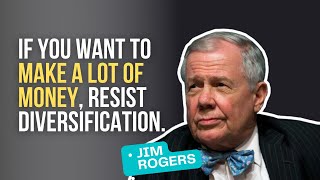
in short companies that achieve a high return on capital are likely to have a special advantage of some kind that special advantage keeps competitors from destroying the ability to earn above average profits i still believe that for good business analysts a concentrated portfolio is a good strategy combined with a long-term horizon once again the secret to success in following the formula strategy is patience equality in short supply for both professionals and individual investors alike i think investors should have a large portion of their assets and equities over time it just seems logical that sticking to investing in only a small number of companies that you understand well rather than moving down the list to your 30th or 50th favorite pick would create a much greater potential to earn above average investment returns i wait until an investment idea is so good it hits me over the head like an anvil after more than 25 years of investing professionally and after nine years of teaching at an iv league business school i am convinced of at least two things one if you really want to beat the market most professionals and academics can't help you and two that leaves only one real alternative you must do it yourself the secret to investing is to figure out the value of something and then pay a lot less there's a virtuous cycle when people have to defend challenges to their ideas any gaps in thinking or analysis become clear pretty quickly when smart people ask good logical questions you can't be a good value investor without being an independent thinker you're seeing valuations that the market is not appreciating but it's critical that you understand why the market isn't seeing the value you do the back and forth that goes on in the investment process helps you get at that value investing strategies have worked for years and everyone's known about them they continue to work because it's hard for people to do for two main reasons first the companies that show up on the screens can be scary and not doing so well so people find them difficult to buy second there can be one two or three year periods when a strategy like this doesn't work most people aren't capable of sticking it out through that value investing doesn't always work the market doesn't always agree with you over time value is roughly the way the market prices stocks but over the short term which sometimes can be as long as two or three years there are periods when it doesn't work and that is a very good thing the fact that our value approach doesn't work over periods of time is precisely the reason why it continues to work over the long term i don't know too many people that are good at timing the market relative to macro economic events we are busy surviving hurting fixating on what just happened and being over confident if i plug your elements into the magic formula and it comes out cheap that's good i think the exercise of trying to figure out how to simplify concepts has been incredibly helpful to me over the last 13 years of teaching and i hope my students have benefited from it even after you learn where to look for new ideas the notion that you can cover even one tenth of these special corporate events is a pipe dream my goal is to buy a company at a low multiple to normal earnings power several years out and that the company earns good returns on capital at that level of normal earnings a holding period of more than one year also works quite well as the factors are persistent in years two and three if you spend your energies looking for and analyzing situations not closely followed by other informed investors your chance of finding bargains greatly increases here is part of the trade off with diversification you must be diversified enough to survive bad times or bad luck so that skill and good process can have the chance to pay off over the long term remember it's the quality of your ideas not required that will result in the big money the big picture is the main thing you should be concerned about in the future are incremental returns on capital going forward as it turns out past history of a good return on capital is a good proxy for this but obviously not foolproof i think this is an area where thoughtful analysis can add value to any simple ranking screening strategy such as the magic formula when doing in-depth analysis of companies i care very much about long-term earnings power not necessarily so much about the volatility of that earnings power but about my certainty of normal earnings power over time the strategy of putting all your eggs in one basket and watching that basket is less risky than you might think the way we make money as a group is that we don't pay a lot for anything and most of the stocks we buy have low expectations perhaps since the measurement of potential gain and loss from a particular stock is so subjective it is easier if you are a professional or academic to use a concept like volatility as a substitute or replacement for risk than to use some other measure whatever the reason for everyone else general abdication of common sense your job remains to quantify by some measure of stocks upside and downside this is such an imprecise and difficult task though that a proxy of your own may well be in order choosing individual stocks without any idea of what you're looking for is like running through a dynamite factory with a burning match you may live but you're still in it yet maintaining a three to five year horizon for your stock market investments should give you a large advantage over most investors it is also the minimum time frame for any meaningful comparison of the risks and results of alternative investment strategies the more confidence i have in each one of my stock picks the fewer companies i need to own in my portfolio to feel comfortable over the long term despite significant drops from time to time stocks especially an intelligently selected stock portfolio will be one of your best investment options the trick is to get to the long term think in terms of five years ten years and longer do your planning and asset allocation ahead of time choose a portion of your assets to invest in the stock market and stick with it yes the bad times will come but over the truly long term the good times will win out and i hope the lessons from 2008 will help get you there to enjoy them you just stick to buying good companies ones that have a high return on capital and to buying those companies only at bargain prices at prices that give you a high earnings yield you can end up systematically buying many of the good companies that crazy mr market has decided to literally give away although over the short term mr market may price stocks based on emotion over the long term mr mark it prices stocks based on their value stock prices move around wildly over very short periods of time this does not mean that the values of the underlying companies have changed very much during that same period in effect the stock market acts very much like a crazy guy named mr mark graham figured that always using the margin of safety principle when deciding whether to purchase shares of a business from a crazy partner like mr mark it was the secret to making safe and reliable investment profits you
Comments 0