
저자: MarkMobius · 외국인
요약 보기
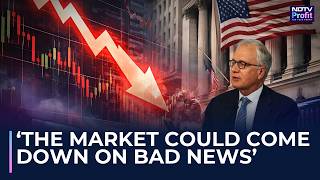
결론: 마크 모비우스는 미국 경기침체가 기본 시나리오이며 주가 하락이 아직 끝나지 않았다고 보고, 인도 시장은 상대적으로 방어적이라고 평가한다. 미국 약세장과 통화 환경: 과거 약세장과 달리 대규모 통화 공급 증가와 암호화폐 붕괴가 동시에 나타나는 점이 이번 사이클의 차이다. 연준이 작년 통화공급을 30% 이상 늘렸다고 언급했다. 경기침체와 시장 전망: 원자재 가격 상승(우크라이나 사태 영향)이 소비를 압박해 경기침체가 올 것으로 본다. 나스닥은 고점 대비 30% 이상 하락, S&P500은 약 21% 하락 수준이며 추가 하락 여지가 있다. 비트코인은 약 70% 하락했다고 언급했다. 금리와 연준: 연준이 인플레이션(8.5%)을 잡기 위해 금리를 물가 이상으로 올려야 하며 이는 추가 고통을 의미한다고 본다. 연준이 늦게 대응했다고 평가했다. 인도 시장: 기업 수익성(자기자본이익률)을 중시하며 인도는 러시아산 원유 도입 등으로 상대적으로 유리하다고 본다. 인도 주식이 MSCI EM 대비 프리미엄으로 거래되는 점은 언급했으나 가치 평가는 낮추지 않았다. 소프트웨어와 제조업(중국 대체 생산기지)을 유망 테마로 꼽았다. 약세장 종료 신호: 시장 참여자들이 포기하는 시점(‘타월을 던지는’ 시점)이 저점이며 아직 도달하지 않았다고 본다. 크레딧스위스 노트를 인용해 과거 저점은 완전한 경기침체 중에 형성됐다고 언급했다. 리스크와 출연자 전망: 우크라이나 전쟁이 빨리 끝나기는 어렵다고 보며, 유가가 당분간 높은 수준을 유지할 수 있다는 입장이다. 방산주는 미국과 인도 모두 우호적이라고 언급했다.
다듬은 글
thank you so much for tuning in to navigating through uncertainty and and yes uncertainty is the name of the game currently the question is how do people and experienced people who've been in this markets and have seen number of cycles are thinking about this current landscape and navigating through it those are the set of questions that we're gonna post today to a very special guest mr mark mobius founder of mumbai's capital partners but really a veteran of the investing world and particularly in the emerging market space for a long time now mark great having you thank you for joining in hope all is well yeah thank you it's a pleasure being here yep the pleasure is actually ours markup can you tell us uh whether this seems different to you than than some of the other past cycles that you may have seen well you know someone once said that the most expensive words in the world are this time it's different and i would say it's true case that we have now that it's really not different but every uh bear market every bull market has different characteristics uh the behavior may be similar but there certainly are different characteristics that we've got to keep in mind in this particular crisis we're facing uh we not only have an incredible increase of money supply but that's combined with a new currency uh the cryptocurrencies the crash of these currencies is having an impact on the markets in general so this is something that's quite different and unique than what we've seen in previous times interesting if we just take into account the last 15 years is the tightening of the money supply and higher inflation especially for the western world also a materially different factor and therefore could the market reaction be materially different than what we may have seen in 2013 or 2018.
well what we've seen in the past of course is when the fed raised interest rates dramatically uh in order to fight inflation that had a negative impact on the economies but if you look carefully by the way at the behavior markets markets have not really been that much affected by higher interest rates if you look at times when we've had bull markets very often interest rates were going up so it's not only interest rates that we have to look at but we have to look at other factors like the tightening of money supply you must remember we're coming out of an incredible growth of money supply the fed last year increased money by over 30 percent but that's not counting the cryptocurrencies and no one knows what what the size of the cryptocurrency market is uh i just read somewhere that there are over 1 000 different cryptocurrencies so um that adds another uh area of uncertainty as to what exactly is out there and when you see the cryptocurrency shrinking and when you see at the same time the fed pulling back on money supply of because that has a big impact on the market yeah so so mark what is your base case is your base case that the west and u.s hits the recession and if so what's the kind of impact that you envisage on the em pack uh well the base case is uh yes there will be uh a recession because of the higher commodity prices uh you must remember the ukraine situation has put pressure in a number of areas most importantly of course energy but also food uh ukraine is a and russia are big producers of uh wheat and that's having an impact so uh you're seeing these commodity prices going up and that is having an impact on what people have to spend and that means that you have a recession coming as a result of these higher prices but you must remember a recession does not necessarily mean that you don't have an opportunity to make money because they're companies even in this bear market that are doing quite well for example some of the defense industries in america are doing fine because of the the situation in ukraine yeah and i was gonna come for your view on the micros in just a moment but just before that so if indeed you believe that the base case is recession a mark what's the impact or the further impact that your massage on the em pack in the asia pack uh because there has been a bit of a corrective move into some of those into most of the markets from the recent heights uh yeah you must remember that the us is still uh the largest economy along with china everybody debates which is bigger america and china but america the united states has a much bigger impact because the us is a major importer uh they're not such great exporters but a major importer and their import from all over the world so a recession in america would mean a pullback in exports from other parts of the world and of course that will affect those economies okay and and and is that already baked into in some fashion into the prices or do you reckon that there is more way to go it has been already reflected uh in some prices if you look at the different markets uh nasdaq which is the tech uh market in america is down more than 30 percent uh s p which is the more traditional uh companies is about what 21 now around that area so it depends on where you are of course uh bitcoin is down 70 or whatever yeah so uh so we have got probably more to go on the main markets than s p uh and other marks around the world we'll probably have more so uh we're probably heading into the 30 area generally speaking and that puts us into a bear what is defined as a bear market most certainly so what about markets like india mark because we've corrected about 20 odd percent and and some of the other asian markets would have been about 20 24 as well the tape is particularly bad too do you reckon more downsides ahead yeah i think there probably will be more downside on the margin uh the good news about india is that many companies are still doing very well and the economy will continue to do well the economy in india is not so much impacted by what's happening in america and uh there are other factors that work for example uh india with this trade with russia will be getting enough oil maybe at a lower price than what they normally would pay and that will help the indian economy so in some ways uh india is in a kind of a sweet spot let's put it that way okay so there are factors working i mean if you look at the tax collections in india they are looking very impressive uh god willing if the monsoons are okay then that will be one more worry out of the way though it doesn't look like that way and the fact that you mentioned about oil and coal as well so that versus the fact that msci india is trading at a much steeper premium to msc iem which it usually does but it's still at a higher valuation uh and and and there is a recession in the west as your base case so do you reckon that uh it could be a sideways market with a downward bias or do you think most of the negatives are in the price i by the way i don't look so much at the price earnings ratio as a measure of value okay because it's more of a backward looking measure what i like to look at is the return on capital in other words uh what is the the yield on capital that indian companies are producing and uh you'll find that they're doing very well in that respect so a company for example that's has a 20 or 30 percent of return on assets or return on capital and the company that has no debt is going to do very very well in india because they're in a growing market it's a young market and uh they have an incredible room to grow they don't have to go overseas they have enough growth in their own country got it got it markup the other bit is uh typical in a in a bear market scenario is the fact that when markets get oversold and the sentiment gets really bad then there are some sharp bounces as well there are a lot of people making a case for sharp bounce after recent correction moves that we've had are you are you thinking that that could be a case at all uh it's possible but usually in this kind of scenario you get the hopes and fears combined in other words you get optimists who say oh uh it'll be over soon it'll come back and then the pessimists will say no it's going to continue down but uh usually you know the best way to look at it is the old saying the trend is your friend the trend is down so you've got to assume that this trend will continue unless something really dramatic changes and i don't see that in the works yet and usually in this kind of environment uh the bear market ends when everybody sort of throws in the towel you know the term you know in a boxing match when the when the uh coach throws a towel in the ring it's over and they don't want to fight anymore and i think that's we haven't reached that point yet but we will and when we reach that point then there will be a wonderful opportunity to buy there was an interesting credit suisse note that i read mark which said that in the past markets have only bottomed out during a full-blown recession and never before the recession does that time with your thesis that there is some more downside for markets to go uh yeah that probably is a good way to look at it in other words if you're heading into recession and when if the economy is getting bad then uh the market is probably going to follow or going to lead lead actually and when that happens then you'll hit the bottom yeah viewers remember right now you're talking about the u.s markets but if the u.s markets uh go down it's very difficult for the other markets to not kind of defy that and not move along with it which is why i asked the question just so that there's no confusion yeah mark a couple of other uh factors which kind of confound a lot of people would love to understand your view there is an overarching belief that there will be earnings downgrades almost across specifically for india as well starting quarter one and quarter two and at the same time there is this confusion around that if there is a resolution to the ukraine conflict and if china opens up and oil were to come off a little bit that would be a material positive for india as well so conflicting factors at play here if both of them play out at the same time what do you think the markets will look forward to the more well there's no question an end to the ukrainian conflict uh will mean a big change in commodity prices for oil that's number one that'd be very positive because we must remember the american economy runs on oil uh people consumers in america what do they look at they look at how much they're paying for gasoline and now it's running at what five dollars a gallon this is very very high for many households who depend on their car to go to work to bring the kids to school so forth and so on so this is a very very important indicator if the ukrainian war ends then we've got a completely different situation but the recovery would take time because all the sanctions and the rest of it would take time maybe a half a year or so but that's i don't think that's going to happen because the russians are determined to continue and the ukrainians continue to fight back with the aid a lot of aid from the us and europe so i don't see that happening anytime soon okay so last couple of questions mark uh considering that your thesis is that the conflict may not necessarily see a real-time near-time resolution though one i'm sure you and i both hope that it does but logically it doesn't do that oil prices stay slightly elevated and we have a factor which we haven't seen for the last ten couple years which you alluded to which is a quantitative tightening which we have never seen in the last few as opposed to uh you know maybe maybe before 2008 how does that therefore have an impact does it have a swift impact on markets or will the markets take time to digest it well there's no question the anticipation of course is very important because if people see that money is being contracted uh they take action they stop buying they reduce their spending behavior and of course that impacts uh earnings of companies and expectations of earnings but more importantly now is uh the interest rate situation because uh the uh the fed is looking at the uh inflation rate at eight and a half percent uh and they're saying look our rule book says we've got to raise rates above the inflation rate which means nine percent so everybody was shocked with a three-quarter percent increase recently i wasn't shocked at all they're they're looking at the playbook and they have to move quickly they're way behind the the eight ball in the sense that they should have acted sooner if they want to get those rates up and hit the inflation rate so i think we can expect more pain in that direction got it last topic and that's uh india micro mark you spoke about maybe u.s defense companies doing well i think india is no different we've had a fairly good run for the defense names but i've heard you in the past say a number of times that you like selectively india small caps and everybody's against small cap investing currently i've heard you speak about some fairly interesting promising themes in india too what is your india view i we focus on companies not necessarily small you know the definition of small cap medium cap differs all over the world you know a company in america that has a market capitalization of uh 50 billion may be considered medium cap whereas in india would be considered large cap whatever but what we do is we focus on companies that are not being noticed in other words companies that may be not in the index uh companies that are not being really fully researched by brokers and research organizations those are the kinds of companies we're interested in because that gives us some a little bit of an edge in the sense that we do our homework we look at the uh the company in detail and then we can make a decision based on that research while other people are not noticing that's what really is so that means of course we would tend to get into the medium cap i would say uh i wouldn't say small cap because small cap gets you into a very illiquid companies which is dangerous if you're running an open-ended fund okay so i know you look at a lot of things so you may not have everything at the top of your mind but any thoughts about what within india looks promising not not specific names necessarily but thematically if at all well i think thematically you've got to look at software companies because india of course is a leader in software around the world and they're expanding uh not only for export but for domestic use so you know the moves that the modern government made to digitize the entire economy have been quite amazing and that is going to have ramifications all over the country and that means there's going to be more and more need for software but the other area i'm interested in is hard in other words as uh manufacturers uh begin to diversify away from china india is a logical place for companies like apple to be so i believe there'll be more opportunities for manufacturing uh in india manufacturing technology okay i still have one minute left from my allocated time mark can i ask you what within this whole china plus one system uh do you find india materially benefiting i know you mentioned the hardware part but beyond that a lot of people talk about india's core expertise in auto parts in chemicals in pharmaceuticals and now the pli schemes are giving benefit to a bunch of other manufacturing items as well have you tangibly seen evidence of companies that you talk to wanting to move supply chains out of china into india where are these themes that they are focusing on uh yes i've seen that and it's not only in uh necessarily in tech uh but tech i believe is gonna be the area that's gonna probably grow the fastest but other areas like garments textiles in general there of course already many good exporters in india but that area is going to be growing and all kinds of consumer goods whether it be toys kitchen utensils you name it you see the the beauty of the indian market is that it's a huge market in itself so that manufacturer in india can produce for the indian market and uh produce in huge quantities and then export with no problem at all you know so uh that is i think great opportunity great uh mark mobius it's always a pleasure talking to you but more certainly is uncertain times thank you so much for your time thank you it's a pleasure yeah it was a pleasure and viewers thanks for tuning in you


Comments 0