저자: EdYardeni · 외국인
요약 보기
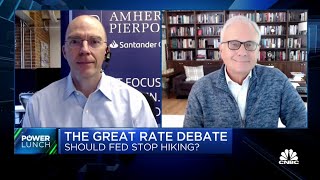
결론: 연준은 11월 회의에서 한 차례 더 75bp 인상 후 금리인상을 멈추고 상황을 지켜봐야 한다는 주장. [연준 평가] - Stephen(사회자 측 패널) 시각: 연준이 인플레이션 대응에 뒤처졌고, 인플레이션을 완전히 잡으려면 긴축을 끝까지 마쳐야 한다고 봄. - Ed Yardeni: 2020년 8월 고용 우선 정책으로 판단을 잘못했다고 평가하나, 2022년 3월 이후 기준금리 300bp 인상 등 이미 상당한 긴축을 했다고 봄. [긴축 누적 효과] - 강달러와 양적긴축(QT2)이 각각 약 50bp의 긴축 효과를 낸다고 추정. - 이를 합산하면 통화긴축은 이미 충분히 진행됐다는 판단. [권고 및 시나리오] - 11월 초 75bp 추가 인상 후 일시 정지 권고. - 리스크: 금융 어딘가가 깨지면 인플레이션이 충분히 잡히기 전에 금리를 내려야 하는 상황이 올 수 있음. [연준 논리 및 1970년대 교훈] - 파월 의장이 잭슨홀에서 1970년대 사례를 언급하며, 인플레 신호가 보여도 조기 중단보다 공격적 긴축 쪽으로 기울어야 한다고 강조. - 연준 위원들은 아직 제약적(restrictive) 수준에 도달하지 못했다고 보며, 중립금리 상단 근처까지 왔다는 평가. - Stephen은 신뢰 회복을 위해 긴축을 계속해야 한다는 입장이고, Ed는 경기침체 리스크를 함께 고려해야 한다는 입장. [경기침체 vs 고인플레 리스크] - Ed: 현재는 두 리스크가 맞물려 있으며, 인플레를 잡으려면 침체를 감수해야 하는 구조라고 봄. - 급격한 긴축은 신용경색 등 예상치 못한 부작용을 낳을 수 있어 한 번 쉬어가야 한다는 주장. [결론] - 2022년 기준 인플레 목표(2%) 복귀에는 시간이 걸리며, 단기간 내 달성은 어렵다는 전망. - 금리 인상 속도 조절과 경기 영향 관찰이 필요하다는 것이 핵심 메시지.
다듬은 글
gentlemen good to have you both with us first of all I just want to say if this was a sport let's say it was football there would be a lot of armchair quarterbacks right now right second guessing what the FED is doing but I want to start with you Stephen what do you think the FED is getting right well they fell way behind and they let inflation get out of control and unfortunately they don't have the luxury of kind of looking around the corner and hoping that maybe things will slow down everything will turn out all right I think they have to um they have to ring inflation out of the system and that means finishing the job as as chairman Powell and others have have indicated all right Ed is there anything that you think the FED is getting right well I I think they've got things wrong for sure back in August of 2020 when they decided to prioritize uh getting the unemployment rate down and not worrying too much about inflation and now uh yeah they are trying to catch up to the inflation pair but they've done quite a bit I mean since March we've had 300 basis points and increases in the FED funds rate and I think what the the FED is uh really not paying enough attention to is that the strong dollar and qt2 this quantitative tightening program they're on they're equivalent to probably 50 basis Points each so I think this is when you look at the whole package of monetary tightening they've already done quite a bit and I think it would make sense for them to do maybe one more 75 inch Point hike in early November but then pause and just see how this whole thing plays out the big risk is something will break and then they'll be forced to break into to bring interest rates down before they've actually brought inflation down you know even we saw the FED tapping the brakes like this as soon as it saw signs that inflate inflation was coming down a bit in the 70s did that work out then and and could you apply those historic lessons to today 2022 well chairman Powell has brought up that exact uh uh phenomenon from the 70s talked about at Jackson Hole and a number of other fed officials have taken up that same argument and basically what they're suggesting is that the FED has to err on the side of being aggressive rather than of of stopping too early and you know I think until they see more concrete signs that the labor market is Cooling and more importantly that inflation itself underlying inflation is cooling I you know it's just hard for them I think to stop at this point I think you know they have to re-establish their credibility and that's going to require as they've said taking rates to a restrictive significantly restrictive stance and most of the FED officials are saying they don't think they're quite there yet they've gotten to neutral and you know maybe at the top end of neutral but uh they they still have a ways to go in their view you got to add rates quantitative tightening you've got a stronger dollar all of these things acting as restraints on the economy it's very hard to to to practice uh this kind of tightening without breaking some glassware along the way so my question for you is what is the bigger long-term risk to the U.S economy is it high and sustained inflation or is it the risk of a painful recession what's the bigger risk well I I think right now they kind of go hand in hand and just you know Steve made a good point that the FED officials are saying that they want to raise interest rates until inflation comes down until it's restrictive enough I think that's just another way of saying that they've decided that the only way they're going to bring inflation down is with the recession and that can create all kinds of other problems and so instead of going on this roller coaster ride between the fed and the economy I think could they be wise after 300 billion support increase since March and seven months they've gone 300 basis points I think you know give it give it a rest after the next hike and see how things play out they're not going to be bringing inflation back down to two percent anytime soon they have to acknowledge that bringing it down is going to take some time if you do it too rapidly you're going to get uh all kinds of uh unintended Wicked consequences coming along with a recession with a credit Crunch and the global implication won't be very happy either




Comments 0