저자: 미상 · 외국인
요약 보기
결론: 이 영상은 종목·지수에 대한 구체적 가격 전망이나 매매 판단이 거의 없고, 장기 보유와 투자 철학을 강조하는 일반론 영상이다. 서론·도서 소개: 올리브유 연구를 이어가는 중이며, 'Stock Market Wizards'(Jim Rogers 등 투자 인터뷰집) 책을 소개한다. 투자 전략 참고서로 추천한다. 장기 보유 강조: 소로스의 장기 보유 사례를 언급하며, 5~10개 종목을 3~5년 들고 있었다면 200~300% 수익이 가능했을 것이라고 주장한다. 실제로는 짧게 매도해 35%, 10% 수준에 그쳤다고 회고한다. 한국 증시 인식: 최근 11년간 시리아 작전, 바이러스 사태, 솔레이만 사건 등 악재가 계속되었고, 7년간 종말론적 예측과 정치 리스크가 이어졌다고 본다. 그래서 코스피가 3~4번 떨어지고 5번 오른다는 인식을 보인다. 개별 종목 사례(과거): 아사르산(47→16 후 20 돌파 시 추세 시작), 페미스 피스톤, 소프트웨어 종목(5.40에 매수해 19에 매도) 등 과거 사례를 언급하나, 모두 과거 설명이며 향후 전망은 아니다. 매매 원칙: 3~5년 보유 목적이면 보유하고, 확신이 없으면 하루도 들지 말라는 원칙을 제시한다. 급등 시 절반 매도 후 나머지 보유, 분할 매수로 변동성 대응을 권한다. 리스크·조건: 유럽·미국 증시도 3개월마다 조정이 온다고 언급하며, 급등 후 매도를 선호한다고 말한다. 결론: 금융 이해력이 금융 자유로 이어진다는 메시지로 마무리한다.
다듬은 글
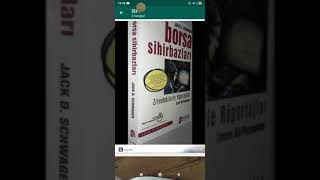
Hello everyone, we're continuing our olive oil research at full speed. We've reached the "Stock Market Wizards" section of the book we're reading. I previously made a summary video about the Bursa Wizards. This book is considered one of the most recent ones, and because it contains interviews with various investors, it's truly a book that should be in every library.
It provides excellent strategies, and I think it will help in creating the necessary strategies in the stock market. I especially liked the quote from George Soros, formerly of Barca, about holding onto his positions for years. You might ask why? Well, we don't need to go back too far. If we had held onto those 5-10 sets of stocks with the intention of 3-5 years, their weighted averages would have easily yielded a 200-300% return.
But unfortunately, we're stuck with 35%, 10.30%, whatever. How do we manage to get out like this? We can't hold onto them for long, because in our stock market, we've experienced everything imaginable in the last 11 years. There were two operations in Syria, the Suleyman incident, the virus, and so on.
In fact, for the last 7 years, our stock market has been constantly plagued by doomsday predictions and never-ending political or other problems. That's why I say Bursa falls 3-4 times and rises 5 times. Only when truly promising stocks are considered viable do we see them rise three, five, or at least 50%.
We learn by experience, gain experience, and see results when we rack our brains. But those who have received training in this, those who have mastered it, those who have written the book on it, those who have experienced it before, show us how to make the most money. Gymra and Racer STA are examples of this.
Look at a two-year plan. What does a Ketenci, a set of economics students, say? They're trying to think about what will happen in six-month periods over a two-year period. They're thinking about what will happen in the next two years and then investing after making a bet. For example, in 1961, a long-term...
For a while, I haven't been buying shares because I think the market will rise, so I'm buying shares and holding them for three years. This applies to the whole stock market, not just Bursa, but shares in general. For example, some people have been holding onto shares for two years. For instance, when Asarsan went from 47 to 16, it stayed there for a long time.
When it passed 20, the trend had already started to go up. Or, as I analyzed, Femis Piston 10/22 came in at 15 and stayed there for two years. That was the time for a rise; the trend had started to go up, and it held on. Seydi, who bought with the intention of buying in Beijing, made a 4x increase. Where did the 3x increase go?
Or, somehow, we bought technology stocks that had the wind at their backs and sold them with 100% profit. Again, I regretted it. I bought software at 5.40 and sold it to you at 19. So, when it didn't hold with the intention of holding for 3-5 years, we immediately sold at least half and held onto the other half.
But there, Süleyman was involved again. He said it made 100% profit this week, we said it would fall, but it did. Although it reached 11/18, it went back to 35. It fell again from 35. Of course, whether it's food companies, companies producing hygiene products, or technology stocks, when stocks catch the wind at their backs, when you see these opportunities and invest with the intention of making a profit in three or five years, there's always a chance of making 50%, 100%, 300%, or 500%.
As you can see, this is Jim Rogers. Let's look at his books. He wrote these books. He graduated from two universities; that's what it says here. His education is polyol, oh, Ordu University, Yalova University. He's 77 years old, born in 1942, and has been an investor since 1960. How many years is that?
40/80? How many years? At 77 years old, 80 lira is gone in total. A 60-year investor. This man explains in this book how to make money. Money is made by selling the stock early when you seize the opportunity. What does he say? All the Bursa experts say, "Wait a long time in profit, get out quickly when you lose money." That's what Racastan does.
He analyzes the stocks he buys, and when they're about to go up, he buys them, and after buying... What did Promo ft say about buying with the intention of holding for 3-5 years? If you don't have the courage, knowledge, or confidence to hold a stock for 3-5 years or even 10 years, then don't hold it even for a single day.
Look, the geniuses and professionals in this field, those with two university degrees, 50 years, 70 years, 370 years of experience as investors – these are the people who have made the most money in the stock market. Their logic is: buy a stock when it's cheap, it promises a future, and if it has already fallen back, hold it for 3-5 years.
When you invest with this intention and awareness, you don't experience stress. If you've bought this stock and truly believe it will triple or quadruple in three to five years, you don't need to constantly check the stock market or the screen. If you've made staggered purchases, meaning there are extra drops – even if you bought it cheap, due to a virus or the assassination of Suleiman, it might fall by twenty or thirty percent – you can set aside the money you have.
That's what you can buy and sell for. There's nothing to be afraid of. I've already explained this 2-3 times before. This way, when you catch twenty or thirty percent and sell, the rest is free for you. That's why these are like that. They say they've been holding onto them for 35 years, but I think they sell when they get the chance and then buy back at a lower price.
Of course, European and American stock markets fall every three months, like ours. I don't know if they make a correction every three months. That's why when our Bursa sees a 300-500 percent increase in a short time, I'm in favor of selling. However, half of it can still be held. Because some go for that 1000x increase, but you also witness those who go for that millimeter increase.
To not miss the opportunity, at least, let's say, we noted someone's SD-5000, we sell at 4030 and let it stay at a certain point. What if it's all a loss? I think you can make money in the stock market when you invest with this perspective. There are things from this book, and other investors have strategies; I've explained this book in other videos before, in this special way.
But what this Cimcim says is a strategy that I've really thought about, experienced, and think should be done. I think we will make money when we do this. Yes, financial literacy brings financial freedom. Literacy is an investment in financial freedom. To increase our financial literacy, we must continue to read and research. Thank you for watching.
Comments 0