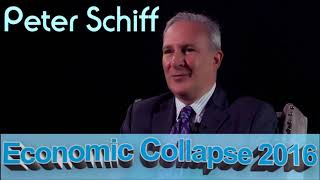
저자: PeterSchiff · 외국인
요약 보기
결론: 피터 쉬프는 유럽 위기와 은행 부채 문제가 미국으로 확산되어 대형은행 붕괴와 달러 붕괴가 임박했다고 주장하며 금·은 등 실물자산 보유를 권한다. 은행 위기: 무디스의 17개 글로벌 은행 등급 하향(미국 대형 금융사 포함)은 충분하지 않으며, 은행 부실은 정부 개입과 구제금융이 만든 도덕적 해이의 결과라고 주장. 은행 붕괴 시점: 연준이 금리 통제력을 잃고 금리가 크게 오르면 대형은행이 2008년보다 더 큰 규모로 실패할 것이라 예상. 유럽 우려로 달러·미 국채 도피처 수요가 일시적으로 금리를 낮추고 있으나 오래가지 않는다고 봄. 재정 리스크: 미국 정부는 연간 약 1조 달러 적자로 금리 상승을 감당할 수 없으며, 그리스·이탈리아·스페인과 같은 상황에 놓일 것이라 주장. 금리 및 연준: 제로 금리는 인위적이며 시장금리가 올라야 한다고 주장. 연준이 금리를 시장에 맡기지 않으면 부채 위기가 심화된다고 봄. 미 금리(10년물) 상승 방향 예측. 은행주: JP모건 손실(20억 달러)보다 훨씬 큰 손실이 모건스탠리·뱅크오브아메리카 등에서 발생할 것이라 예상. 금융주 하락(매도) 전망. 투자 조언: 달러 등 중앙은행이 찍어내는 화폐 대신 금·은을 매수하고, 신흥국 주식과 더 나은 통화 표시 채권을 사라고 권고. 금 보유 권고(매수). 유럽/그리스: 그리스의 유로존 탈퇴는 장기적으로 그리스 경제에 더 큰 타격, 유로존에는 잔류가 모럴 해저드를 키운다고 봄. 독일의 추가 분담 부담 지적. 시장 전망: 단기적으로 주가 하락 위험은 있으나 중앙은행이 추가 통화 발행으로 개입해 명목 주가는 오를 것이라 예상하지만 이는 나쁜 경제정책이라고 평가. 미국 경기: 2010년대 회복은 가짜이며 부채만 늘고 있다고 주장. 현재 GDP 성장은 부채 확대의 결과로 지속 불가능하다고 봄. 출연 및 발언 맥락: 이 영상의 사회자 발언 및 다른 패널(Rick Santelli, Bob Pisani, Bill Spiralis)의 의견은 제외.
다듬은 글
there's some major developments in the financial crisis in Europe an aid package coming to the rescue of Spain specifically Spain's troubled banks worth as much as a hundred and twenty five billion dollars stock markets in Europe initially reacted well but finished the day mixed and Wall Street today down just a little bit 33 points in the Dow alarm bells though are also ringing for banks in this country Moody's is expected to announce this week the downgrade of 17 global banks including some of the biggest US financial firms joining us live Peter Schiff president of Euro Pacific Capital and author of the new book America's coming bankruptcy how to save yourself and your country on that optimistic note as always Peter nice to have you back with us thanks for having me on let's talk a little bit about the banks first I know this has been telegraphed that potentially these downgrades could be coming what does it mean for us well first of all I don't think the downgrades will go far enough I think the banks are in a lot worse shape than some of these rating agencies appreciate but we have to understand why is it that banks are in so much trouble and the reason is because of all the government involvement in the banking sector it's the government involvement that subsidizes all of their risk-taking the banks are in so much debt because the government has led them down this primrose path and then we think bailouts are a solution it's just a moral hazard it encourages more of the same bad behavior that government policy created in the first place so I think we really need to get the government out of the banking sector as much as possible but I already believe that they've done so much damage that many of our major banks in this country I believe are going to fail in a more spectacular way than they did in 2008 as soon as the Fed loses control of interest rates and they go a lot higher I think these big banks are gonna fail and there's gonna be huge losses as a result you're not alone but we should point out to our viewers that this is your opinion on the way that you're looking at the financial sector right now is there a timeline you have is do you see these bank failures happening soon five ten years from now or sooner than that well I think it'll be sooner than that I mean right now we're buying some time based on the problems in Europe because people are so worried about the euro in the eurozone they're taking refuge in the dollar in the Treasury market and that is temporarily keeping our interest rates lower and allowing our government to keep on spending and Americans to keep on borrowing and spending but eventually we're not gonna be able to do that anymore people are going to be worried about all the money we're printing all the inflation we're creating and interest rates I think you're gonna move up in a very spectacular way and we are so leveraged we can't handle it not only can't the banks handle it the federal government can't handle it I mean our government can no long more handle a 5 or a 7 or 10 percent interest rate then can the government in Greece or Italy or Spain Peter we just said I just wanna put on show our viewers you're trying to get your camera back centered if we can it's always good to have our guest in the middle of the screen and sometimes it happens and sometimes it doesn't but Peter we're so listening to what you have to say and and there's been calls you know people on the may be sharing a different opinion from you say listen the United States government has to get even more involved in Europe because if we don't get more involved now and jump in in whatever way that means and there's a lack of specifics on that then then that's gonna just crush us 612 can we get involved when we're already broke our government is running a budget deficit of a trillion almost a trillion 1/2 hours a year we're drowning in debt all we can do is print money so we're printing all this money right now to bridge the gap between what we collect in tax and what we've spent so we're just gonna print even more money so give it to the Europeans because that gonna help let me just ask you real quick cuz I have to run you know you're a financial adviser you give a lot of advice out there again it's your opinion but what advice you give to some of your customers and the average person out there and how to protect themselves well I outlined a chapter in my latest book the the America's coming bankruptcy you get out of anything that these central banks are printing particularly dollars I think you buy gold you buy silver you look at some of the emerging economies buy stocks abroad buy a bonds from in better currencies than the ones that are being run off the printing presses we have a huge financial crisis coming it's not in our past it's in our future and these downgrades in the definitive banks this is just the beginning it's gonna get a lot worse Europe is simply a precursor of what's going to happen in the United States that's the preview the show the main show is going to be playing out here in the United States on this side of the Atlantic and people had better be prepared for it Peter you give us a lot to think about today that's for sure on a Monday morning thank you again for joining us we love having you we look forward to having you back thank you improving jobs are growing and the worst is over our next guest says sadly you are dead wrong joining us now the author of the real crash Peter Schiff Pete thanks for joining us what do you mean the the worst isn't over we're not nothing in the corner things aren't getting better hardly we've actually made all the problems worse you know what I wrote my original book crash-proof had a profit from the coming economic collapse in that book I forecast the bursting of the housing bubble the ensuing financial crisis this Great Recession but what I was really concerned about was not that I thought the crash was gonna come from what the government would do to try to revive the economy that was the real crash it's still yet to come and it is the subject of this new book so you don't think anything has changed that allow this crash to happen in the fall of 2008 no the problems are much worse we're much more deeply indebted now than we were then all the problems have been exacerbated and what we have now is not a legitimate recovery all we've done is borrow additional money in spent it and we're counting the spending is economic growth when it's not the debt is growing much faster than the GDP and ultimately we're gonna have to pay this money back with interest and the only thing that's keeping us afloat right now is zero percent interest rates and why are they zero percent well because they say it's counterintuitive that you know we keep telling people you know that's that debt clock right there is gonna come back and bite us in the rear sometime but it hasn't done it yet there's no inflation well sure there is and it's the inflation that's helping keep interest rates so low because the Fed is monetizing debt it's printing money and buying Treasuries see the biggest problem with the US economy is that interest rates are too low interest rates are probably the most important price in a free market they're involved in one side of every transaction they need to be set by the market instead we're setting interest rates the way the Soviet Union used to set the price of bread and because they're too low we borrow too much we spend too much we don't save enough we don't produce enough you think we to go bankrupt well we are bad well you you want us to declare bankruptcy what what we need to do we have to let interest rates rise but the problem is when interest rates go up the US government can't afford to pay the interest on the debt interest rates rise well the Fed is keeping them now you but you're saying eliminate the Fed then well no the Fed just has to let interest rates go up the fastest stop by mod they said it they set it rate and I set the rate at zero right now so that's too long let the market set to rate how can the rate be zero say now one hand let the Fed set the rate but then the other hand let the market say it's even one of the other right well the Fed can still be there and not set rates they can let the market do it or the Fed has to move rates higher because rates are much too low nobody can make any money saving nobody's saving so we don't have any legitimate capital of financial investment we have to borrow it all from abroad but when we let interest rates go up the US government can't pay its debts many of our major banks are gonna fail you think that two billion dollar loss at JP Morgan is big where do you see how much JP Morgan and Morgan Stanley and Bank of America are gonna lose if the Fed lets interest rates go to where they need to go the name of the book is the real crash Peter Schiff is just getting started the book just came out and he predicted everything that's happened before and I hope you're wrong but you seem very confident that you're right now Peter thanks so much sir thank you Peter Pazhani Rick Santelli is with us euro pacific capital peter schiff is also with us today as his for States Capital Advisors bill spiralis welcome all around Bob Pisani the energy levels high here at the big board today you know we can't even have a nice boring quiet close into a three-day weekend we're standing here all of a sudden the left or two o'clock word comes out Dow Jones wire that's bond Kia's what was getting a lot more money than people anticipated 23 24 billion dollars bottom line is Marcus Straub we lost several dozen points on that so this is the problem guys we're just hostages to headlines all of the time and anytime you think we're stabilizing it's been a pretty good week the espys up one and a half percent or so you get little head lines have you drop's you a little bit more less stabilization and Peter Schiff this is exactly what the markets have been focusing on for a while now it's all about Europe right now isn't it Peter Schiff oh I'm sorry yeah I was going to drive your name but you know study time ah that's not all by year oh I think in some people's minds it is but you know I think Europe is is really foreshadowing a bigger problem here in the United States but you know I think there's still some short-term downside risk in the market but I think the central banks unfortunately are not going to allow a substantial collapse in stock prices I think they're going to come in with more money printing and ultimately you're going to see a reversal in nominal stock prices will rise but but it's not going to be good economic policy it's not going to be good for the economy that's exactly what we don't need and go yeah let's talk about that though I mean and Peter what is your expectation in terms of how this plays out here a lot of debate on whether or not we'll have a disorderly or orderly exit of Greece from the Euro or do you expect perhaps Greece stays in the Europe you know I don't even know I mean in several different ways that could play out long term I think the worst thing that can happen for the eurozone is for Greece to stay there and the end you to have this moral hazard where everybody is basically subsidizing everybody else's profligacy the only way that it makes sense for Greece to state in that eurozone is if they can force Greece to to undergo more austerity but I think that if those are the choices the eurozone will be better off if Greece left and I think there's more of a long-term threat for Greece remaining in the euro then leaving I think that that is that is overblown but I don't know the politics are very strong I mean there's a lot of incentive for politicians in Europe to do what's wrong in the long run in order to appease the voters in the short run that's exactly what we're doing here I mean oh you're about socialization for politicians to to avoid swallowing the bitter tasting medicine that was necessary to correct or correct the problem Saamy if I'm trying to say something the people keep picking up a Peter Steve people keep talking about the mood on the streets of Athens Peter what about the mood on the streets of Berlin how much longer are the Germans going to be willing to write the checks because no matter what scenario I see here the Germans have got to write a big check yeah billsborough yeah you know and I've got their whole desert burning these these Merkel dolls in effigy restate they should be doing it in Berlin I mean they never should have signed on to this deal to have to pick up the tab for the irresponsible governments in Greece and other parts of Europe they can do it no more events people in some state in some states if people in Texas don't want to have to pay for the for the deficits in California who knows that might happen if next week the focus returns to the US Rick Santelli you've got some Fed Street coming out next week you got the GDP got unemployment number who dishing edible that well fed speak they're going to be nervous about Europe and hold out the notion of quantitative easing but it's a political hot potato so I move that right off it's about to unemployment data points ATP on Thursday instead of Wednesday BLS on Friday and our second look of first quarter GDP on Thursday if you are disappointed with two point two looks like we're an end up with 1.8 or 1.9 you look at the Chinese stock market you can see the cross trade flows out of Europe are impacting that as well as weak loan demand I'll tell you Maria I just can't be optimistic even if we are the cleanest dirty shirt it's still not that clean well me that has a red bill and I don't see where that we own it at what I think we're dirtier people just haven't figured it out couple you know as cameras say that the problems in Europe or hurting us they're actually helping us because people are so worried about Europe they're buying dollars in their bodies over news oh yeah let's bring bill in here go ahead bill you got you have to look forward and I think that the glue MERS and the babble and all the negative stuff has been center stage for a long time we had just about a 1/3 correction for off of the October lows I think the news gets better going forward there's change coming to America there's a lot of bullish things that mamby-pamby politicians globally are going to get sent home and talked to this Greek ok 8 out of 10 Greeks don't want to leave the euro because they know the politicians get a free ride in the quality of life gets a whole lot they don't want to leave the euro bill why did they vote the way they did on the last election why do people vote the way they do what you not everybody goes out and vote I mean it's pretty clear that the news right now the Greeks that the elections in Greece right now are a you know a proxy on whether they want to stay in the Euro or not that whether they wanted the bailout money holders want something for nothing that's what all voters want although they're voting for nothing exactly 5 look let's have 75% of the people who were polled blood this week said they would like to stay in the euro that's what the people are saying the problem in anything what you're saying is that yes they would like the idea of saying in the Euro sounds good but they don't necessarily want to take the cuts in the austerity to come along with it yeah but the you know the irony started is land they don't have any lands owned they get the drachma they're going to have even bigger cuts because the drachma is going to collapse and real wages in Greece are going to fall a lot more if they leave the euro than if they stay there and swallow the austerity I will leave it there thanks everybody we appreciate time tonight have a nice week Isis in Europe an aid package coming to the rescue of Spain specifically Spain's troubled banks worth as much as a hundred and twenty five billion dollars stock markets in Europe initially reacted well but finished the day mixed and Wall Street today down just a little bit 33 points in the Dow alarm bells though are also ringing for banks in there's some major developments in the financial carcass country Moody's is expected to announce this week the downgrade of 17 global banks including some of the biggest US financial firms joining us live Peter Schiff president of Euro Pacific Capital and author of the new book America's coming bankruptcy how to save yourself and your country on that octant reshape but we have to understand why is it that banks are in so much trouble and the reason is because of all the government involvement in the banking sector it's the government involvement that subsidizes all of their risk-taking the banks are in so much debt because the government has led them down this primrose path and then we think bailouts are so sick note is always Peter nice to have you back with us thanks for having me on let's talk a little bit about the bank's first I know this has been telegraphed that potentially these downgrades could be coming what does it mean for us well first of all I don't think the downgrades will go far enough I think the banks are in a lot worse shape than some of these rating agencies
Comments 0