저자: 미상 · 외국인
요약 보기
트럼프 관세와 인플레이션, 지정학 리스크가 겹쳐 경기침체 우려가 커졌다는 내레이션 영상. 다이먼 JP모건 CEO가 6~9개월 내 침체 가능성을 경고했다고 인용하며, 은행들이 대손 충당금을 쌓고 대출 기준을 조이고 있다고 설명. 시장 하락세와 중소 투자자 타격을 강조하나, 구체적 가격 전망 수치는 제시되지 않음.
다듬은 글
Hold on to your hats, folks, because the global economy is looking shakier than a newborn giraffe on roller skates. The financial landscape is undergoing seismic shifts, and the tremors are being felt across the globe. From the bustling streets of Wall Street to the quiet corners of smalltown America, the signs are everywhere.
We're talking full-blown market meltdowns, recession whispers, and even the big dogs on Wall Street are starting to sweat. The stock market, once a symbol of unending growth, is now a roller coaster of uncertainty. Financial analysts who once confidently predicted the future, are now scrambling to make sense of the chaos.
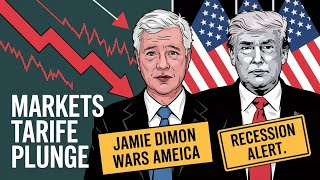
Jaime Diamond, the CEO of JP Morgan Chase, just sent shock waves through the financial world with a chilling warning. Brace yourselves because a recession might be closer than we think. His words have echoed through the halls of power, causing ripples of concern among policy makers and investors alike.
Now, Diamond isn't some doomsayer with a sandwich board screaming about the end times. He's a seasoned veteran of the financial world. A man whose insights are grounded in decades of experience. When he speaks, it's not just idle chatter. It's a call to action. This is the guy who captains America's biggest bank.
A man who eats economic indicators for breakfast. His track record speaks for itself, and his ability to navigate through financial storms is legendary. So when he raises the alarm, it's time to sit up and take notice. When he speaks, people listen. His words carry weight. And his predictions have a way of coming true.
The financial community hangs on his every word, and for good reason. His insights have the power to shape markets and influence decisions at the highest levels. And what he's saying is that a perfect storm of economic chaos is brewing, fueled by everything from Trump's trade wars to sky-high inflation.
The trade wars have disrupted global supply chains, leading to increased costs and uncertainty. Inflation, once a distant threat, is now a daily reality, eroding purchasing power and squeezing household budgets. We're talking about a potential economic earthquake, the kind that can shake the foundations of our financial system.
The aftershocks could be felt for years, affecting everything from job security to retirement savings. The stability we've come to take for granted is now under threat. But before you start building a bunker in your backyard and stockpiling canned goods, let's break down exactly what's going on and what it means for you.
Understanding the root causes of this turmoil is the first step in navigating through it. Knowledge is power, and being informed can help you make better decisions in these uncertain times. Because believe me, this is one news cycle you can't afford to ignore. The stakes are high and the consequences of inaction could be severe.
Stay tuned as we delve deeper into the factors driving this crisis and explore potential solutions. Your financial future may depend on it. If the stock market is the economy's mood ring, then consider us strapped into a roller coaster heading straight down a terrifying drop. The twists and turns of this financial ride are enough to make anyone's stomach churn.
We're talking about a full-blown bare market, folks, and the bears are looking hungry. These aren't just any bears. They're the kind that make even the bravest investors think twice before making a move. The Dow Jones Industrial Average, the S&P 500, the Nasdaq, all of them are bleeding red ink faster than a leaky ketchup bottle.
It's a sea of red out there, and it's not showing any signs of stopping. Just look at the headlines. Markets plunge on recession fears. Investors flee to safety. Global economy on the brink. These aren't just sensationalist headlines. They're a reflection of the very real fear gripping the market. It's enough to make even the most seasoned investor break out in a cold sweat.
The uncertainty is palpable and it's affecting everyone from Wall Street to Main Street. And it's not just the big fish feeling the heat. Small investors, the everyday people who have their savings tied up in the market are feeling the pinch, too. Retirement accounts are shrinking, home values are wobbling, and folks are starting to tighten their belts.
The ripple effects of this market downturn are being felt far and wide. This isn't just some blip on the radar either. This is a sustained downward trend that has been building for months and it's showing no signs of letting up. This downward spiral has been building for months, fueled by a toxic cocktail of global uncertainty and economic instability.
The interconnectedness of the global economy means that no one is immune to these effects. And at the heart of it all lies a policy decision that's come back to bite us in the collective behind Trump's trade war. The tariffs and trade barriers have disrupted supply chains, increased costs, and created an environment of uncertainty that has spooked investors.
The impact of these policies is being felt on the ground as well. Factories are closing, workers are being laid off, and empty storefronts are becoming a common sight in many towns and cities. Communities are rallying together to support each other, but the strain is evident. Protests and community meetings are becoming more frequent as people seek solutions to the financial hardships they are facing.
Government officials and policymakers are scrambling to find solutions, but the debates are heated and the path forward is unclear. Financial experts are weighing in, but even they are divided on the best course of action. Some are drawing comparisons to past market crashes, even invoking the spectre of the Great Depression.
While it's too early to say if we're headed for a similar fate, the need for a robust economic recovery plan is undeniable. Despite the grim outlook, there are glimmers of hope. People are finding creative solutions. Small businesses are adapting and community support initiatives are helping to cushion the blow.
Financial advisers are urging people to diversify their investments and to stay informed. Educational seminars on financial planning are seeing increased attendance as people seek to navigate these turbulent times. Families are having tough conversations about finances, making budget plans, and finding ways to support each other.
The resilience of the human spirit is on full display as people come together to weather the storm. While the immediate future may look bleak, long-term investment strategies and economic recovery plans offer a glimmer of hope. The market has always been cyclical, and history shows that recovery, though slow, is possible.
In times like these, it's important to remember that resilience and adaptability are key. The challenges we face today will shape the stronger, more resilient economy of tomorrow. So, as we navigate this financial roller coaster, let's hold on tight and look forward to the dawn of a new day. The markets may be flashing danger, but with determination and unity, we can overcome the challenges ahead.
Remember that whole trade war thing a few years back? Turns out slapping tariffs on goods from China and other countries wasn't exactly the economic master stroke some people thought it would be. Sure, the America first rhetoric played well at rallies, but in the real world, it's blown up in our faces like a badly made firework.
See, tariffs are basically taxes on imported goods. And guess who ends up paying those taxes? That's right, folks, you and me. Those cheap Chinese-made goods we all love, suddenly they're not so cheap anymore. And that fancy European cheese you like, prepare to shell out some serious cheddar for a measly sliver.
But it gets worse. This whole tariff tit for tat has thrown a wrench into global supply chains, causing shortages and delays. Remember the great toilet paper shortage of 2020? Yeah, that was just a taste of things to come. And as if that wasn't bad enough, these tariffs have helped fuel inflation, which is already running hotter than a chili cookoff in Death Valley.
Now, let's get back to Jaime Diamond and his dire warning. Jaime Diamond, the CEO of JP Morgan Chase, is a man whose words carry significant weight in the financial world. When he speaks, people listen, and his latest message is one that has sent ripples through the global economic community. In a recent interview, he didn't mince words.
Diamond was clear and direct, painting a picture of an economy on the brink. His tone was somber, reflecting the gravity of the situation. The US economy is facing a number of serious challenges, he said, including high inflation, slowing growth, and geopolitical risks. These are not just minor bumps in the road.
They are significant hurdles that could derail economic stability. He went on to warn that these factors could push the country into a recession within the next 6 to9 months. This is a stark warning, especially coming from someone with Diamond's experience and insight into the financial markets. JP Morgan Chase Diamond's own company is taking this threat seriously.
They are not just sitting idly by hoping for the best. Instead, they are actively preparing for what could be a turbulent period ahead. They're setting aside billions of dollars to prepare for a wave of loan defaults, a move that underscores the seriousness of the situation. This is not a decision made lightly.
It reflects a deep concern about the potential for widespread financial distress. a clear sign that they're battening down the hatches for rough economic seas. And they're not alone. Other financial institutions are also taking similar precautions, indicating a broad consensus about the risks ahead.
Other major banks are following suit, setting aside reserves and tightening their lending standards. This collective action is a testament to the widespread concern within the financial industry, bracing for impact as the economic storm clouds gather. The imagery of storm clouds is apt as it conveys the sense of an impending crisis that could affect everyone.
Diamond's warning is particularly chilling because it highlights the interconnectedness of the global economy. In today's world, no country operates in isolation. Economic troubles in one region can quickly spread to others, creating a domino effect. We're not just talking about problems in America.
This is a worldwide issue. The global economy is a complex web of interdependencies and a disruption in one part can have far-reaching consequences. From the war in Ukraine to ongoing supply chain disruptions, the challenges are numerous and varied. Each of these issues on its own would be significant, but together they create a perfect storm.
The world is facing a perfect storm of economic headwinds. This metaphor of a storm is powerful as it conveys the sense of multiple forces converging to create a potentially devastating impact. And as the world's largest economy, the United States is right in the eye of the hurricane. This central position means that what happens in the US will have significant implications for the rest of the world. The stakes are high and the need for preparedness has never been greater.
댓글 0