저자: WarrenBuffett · 외국인
요약 보기
버핏은 단기 변동성 자체보다 기업 가치와 현금흐름에 집중하라고 강조하며, 파생상품·레버리지형 상품은 투자가 아닌 도박이라고 경고한다. 주식 가치 평가: 주식은 기업이 장기적으로 주주에게 돌려줄 현금흐름의 할인가치이며, 주가 시세에 휘둘리지 말아야 한다. 금리와 주식: 장기 국채금리는 주식 가치의 '중력'과 같아 금리가 낮을수록 주식이 매력적이다. 다만 2.4%에서 2.9%로 오른 정도는 역사적으로 큰 변화가 아니라고 봤다. 10년물이 3% 부근으로 올라도 기업 자기자본이익률(약 12%) 대비 여전히 낮다는 입장이다. 채권과 포트폴리오: 기관·개인이 기계적으로 채권 비중(60/40, 70/30 등)을 늘리는 것은 어리석다고 비판했다. 장기채 보유는 금리 변화에 더 위험하다고 봤다. 시장 조정과 변동성: 단기 시장 변동은 예측 불가능하며, VIX 연계 레버리지 상품 등 복잡한 상품은 대규모 손실 위험이 있다고 경고했다. 가치 판단: Berkshire는 2018년 들어 주식의 순매수자였으며, 개별 기업을 일부 지분으로 사는 것이 경영권 프리미엄이 붙은 전체 인수보다 유리하다고 봤다. 주식 보유 기간이 길수록 위험은 줄어든다고 강조했다. 투자자 심리: 빠른 부 축적을 원하는 본능이 투자 실패의 주요 원인이며, 많은 사람이 주식 변동성을 감당할 심리적 준비가 되어 있지 않다고 지적했다.
다듬은 글
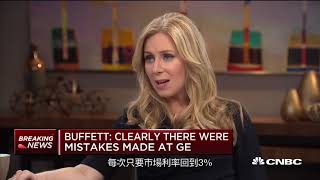
our special guest this morning is the chairman and CEO of Berkshire Hathaway Warren Buffett and Warren we've talked about a lot of things this morning we've got briefly your thoughts on the markets but there's been a lot that's happened to the markets since the last time we sat down with you volatility is back in a big way and that has the average retail investor kind of questioning what to do at this point it's it's scared a lot of people what do you think's happening right now just in terms of the return of volatility is it something to be worried about what's causing it well if you own stocks like you don't a farm or apartment house you don't get a quote on those every day or every week there look at the business and the value of American business depends on how much it delivers in cash to its owners over between now and Judgment Day and and I don't think it changes in 10% and in a two month period if you if you're looking at business now you've got anything can happen in markets I mean anything can happen tomorrow said that's why they don't ever borrow money against securities that markets don't have to open tomorrow I mean you can have extraordinary events so I think to some extent you can get some of the instruments that people don't understand very well that have a lot of firepower at them beyond that the idea of people taking a position and they're gambling they're not investing nobody's investing when they buy you know some supercharged index on you know the VIX does or something like that they don't need it and there are it's an unnecessary instrument out you know they will create instruments that the public will buy and you can just count on that Wall Street's been doing that for since they met under the Buttonwood tree in 1792 or whatever was on the exchange so but if you're investing if I'm gonna buy a half interest in the macdonald stand and you're gonna run it for a McDonald's franchise you're gonna run it I look to the business to determine whether I made a good investment and I'm concerned about you know whether we have no competition how we do over the year but it's the business I look at when you're just looking at the price of something you're not you're not investing I mean if if you buy something Bitcoin for example or some cryptocurrency you're not looking to the asset itself to produce anything if you buy an apartment house you're looking at all the apartment house that you're biopharm you look at the farm to us if you buy a whole business you're looking at how the business does if you buy a part of a business why shouldn't you look at how the business is going to do that people get charmed by by lots of action and the fact that things are liquid on all of that and it does have repercussions back into the market when you get something like you know AETN arrangement on the you know super charges on the VIX I mean where you can lose 90 percent of your money in one day I mean that really doesn't belong with the word investment I mean it's just it's a gambling back although you've said yourself you you talked about this in the annual letter over the weekend and just even at the top of the show where when you look around for a business that you want to buy you can't find any and attractive levels however when you're looking at equities you do see that as a good place the Berkshire has been a net purchaser of equities this year in 2018 and that's because you like the deals that you're getting in the market you can buy small pieces of businesses for less than you can buy whole pieces of business and a premium you'd have to pay you're buying the whole yeah so you get a bargain as an industrial competitiveness and people if they just think of stocks as pieces of business they'd be so much better off and thinking on those little things that move around in price and and and I think with Berkshire we have an unusual number of people the shareholders well just look at Berkshire as a bin they look at as a savings account that put some money in 20 or 30 or 40 years ago we retain it reinvest for them but we're where their savings account and and that's the way I look at my own sock that's where Charlie looks at a stock part of the reason that you've been so bullish on equities for many years at this point is the interest rate of environment you've looked at interest rates and said interest rates are gravity on stock prices and when interest rates are so low stock prices inevitably are going to climb there's been this really weird thing that's been happening in the markets where all of a sudden good news that we got from a good jobs report made people start to worry that interest rates were going to climb and that the Fed was going to raise rates more than anticipated people got really nervous around that you can still see it every time we get up on the ten year back towards 3% it gives investors or at least traders I should say some concerns about what's happening how do you kind of a bond if you buy a 30-year government bond it has a whole bunch of coupons attached in the old days does house electronic but it has a whole bunch of coupons in the coupon says three percent or whatever it may say and you know that's what you're going to get between now and thirty years from now and then they're going to give you the money back what is the stock a stock is a a the same sort of thing it has a bunch of coupons it's just they haven't printed the numbers on them yet and it's your job as an investor to print those numbers on if those numbers say 10% and most American businesses earn over 10% on tangible if they say 10% that bond is worth a hell of a lot more money than a bond that says 3% on it but if that government bond goes to 10% it changes the value of this equity bond that in effect you're buying you are buying when you buy it and it's in General Motors or Berkshire Hathaway or anything you are buying something that over time is going to return cash to him maybe a long time in terms of Berkshire but it'll be bigger numbers and those are the coupons and it's up to you your job as an investor to decide what you think those coupons will be because that's what you're buying and you're buying the discounted value of that and the higher the yardstick goes and the yardstick is government bonds the less attractive these other bonds look that and that's just fundamental economics so in 1982 or 3 when the long government bonds got to 15% a company that was earning 15% on equity but with no words no more than Book value under those circumstances because you could buy a 30 year strip of bonds and guarantee yourself for 15% a year and a business that earned 12% it was a subpar business then but a business earns 12% when the government bond is 3% there's one hell of a business now and that's why this over fancy prices so 3% is a long way from 15% of you're just talking about but I watched it go from 3 to 15 Oh - all right is there an inflection point on that way because people think oh my gosh we've gone from 2.4 percent to 2.9 percent difference historically speaking that's still the way we should be measuring these things not on not on the absolute movement or the percentage gain movement over time 2.4 to 2.9 is nothing if you're comparing it with businesses that earn 12% on equity and reinvest in the S&P you can just look at the figures for decades has earned on tangible equities earned a lot more than that and it translates into more higher prices and it should is there a tipping point along the way or is it a gradual decline in internal body knows yeah but it's it is gravity I mean if if you told me interest rates were going to be 15% next year on bonds you know there's a lot of equities I worked one home now and I wouldn't I would I would buy a lot of governments at 15 and that kind of wish I had in 1982 but I didn't if I told you that the long bond was going to trade at four and a half to five percent next year it makes a difference but it's been idiotic don't long bonds during a lot you know I talked about this in the report in German Sparta it's just been idiotic and big public pension funds and all that they sat there and they owned bonds now they may have bought amount of four or five percent basis but if they go to a three percent basis there's something way about part the the way people think about it is they do some very silly things I mean you lay this out in the annual report but a lot of investors are told retail investors are told that they should have a certain percent of their portfolio in bonds maybe they're told 60/40 maybe they're told 70/30 stocks to bonds but that's something that you should do and that's the safe way of doing it what are they missing some people should not own stocks at all because they just get too upset with price fluctuations if you're gonna do dumb things because your stock a stock goes down you shouldn't notice not at all what are dumb things selling a stock goes it goes down I mean it it you know if if you buy your house at $20,000 and somebody comes next thing he says I'll pay you 15 you don't sell it because the courts 50 look at the house or whatever baby it but some people are not actually emotionally or psychologically fit to own stocks but I think they're more of them would be if you get educated on what you're really buying which is part of a business and the longer you hold stocks the less risky they've become whereas the longer the maturity of a bond the more risky it becomes do you feel like that's a message that is getting through to people it's one that you repeat again and again and I always feel like I was watching a lot of the Olympics and I felt like what they do in the Olympics is so easy these guys sailing through the air and doing massive spins on the ice and turns and then I read your annual letter and I think oh it's really easy to invest and then I walk away and realize it's not that easy it's not easy psychologically for many people but I've been I've been teaching since I was 21 I know my first class on investment and I had a class last week but with 11 schools 220 students and and some of them get it and some of them don't people would rather gamble I mean the idea that you can double your money in six months that that's just going to it's why people go to the raises why they go to Vegas you know whatever it may be they they they even know the odds are against them and they still do it I mean it's a strong instinct to want to get rich fast and I don't know how to do it
Comments 0