
저자: JamieDimon · 외국인
요약 보기
결론: 제이미 다이먼은 암호화폐를 '쓸모없는 페트 록(pet rock)' 수준으로 평가하며 과대 홍보를 비판하지만, 블록체인 기술 자체는 실재한다고 본다. 암호화폐 평가 - 옐런 재무장관이 FTX 붕괴를 암호화폐판 '리먼 모멘트'라고 한 발언을 두고, 다이먼은 암호화폐는 '완전한 곁가지(sideshow)'라고 평가 - 암호화폐 토큰은 아무 기능이 없는 페트 록과 같다고 주장 - 블록체인, 스마트 컨트랙트, 웹3.0은 실재할 수 있으나 기능 없는 암호화폐는 이해하기 어렵다고 언급 암호화폐 시장 규모와 문제점 - 비트코인 시가총액은 1조 달러 미만이며 실제 시장인지도 불확실하다고 언급 - 연간 랜섬웨어 200~300억 달러, 거래소 비용 200~300억 달러 등 알려진 규모 제시 - 자금세탁방지(AML), 테러자금, 탈세, 인신매매 등 악용 문제 지적 - 은행권도 이런 문제에 더 집중해야 한다고 주장 인플레이션과 임금-물가 악순환 - 임금-물가 악순환(wage price spiral) 가능성을 우려 사항으로 언급 - 노동시장 구조 변화, 팬데믹, 경제활동참가율, 기술 불일치가 원인으로 거론 - 연준(FED)이 대응이 한 발 늦었지만 최근 빠르게 움직였다고 평가 - 약 6조 달러 재정지출 후 인플레이션은 불가피했다고 판단 - 1972년부터 인플레이션이 시작되어 1982년 정점에 달한 과거 사례와 비교하며 현재는 코로나 이후 회복 국면이라고 봄 - 중앙은행들이 공격적으로 금리를 올리고 있다고 설명 달러 강세와 신흥국 리스크 - 강한 달러가 신흥국에 부담이 될 수 있다는 우려 표명 - 금리 차와 통화 조정은 경제 강도에 따른 자연스러운 현상이라고 봄 - 다국적 기업보다 개발도상국 충격을 더 우려 - 미국은 개발금융과 외교를 강화해야 하며, 중국 대비 중남미 투자 공백을 지적 출연자 전망 - 암호화폐에 대해서는 부정적, 인플레이션 리스크에는 경계적 입장 - 장기적 시각에서 미국의 개발금융·외교 역량 강화 필요성 강조
다듬은 글
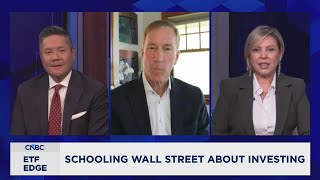
can I throw into the mix which I think is a small piece but maybe you think it's a bigger piece Janet Yellen called the the failure of FTX last week a a Lehman moment in crypto I don't know if you think that's contained it doesn't matter do you think it's a symbol of something larger that's happening in the economy crypto is a complete Sideshow okay and you guys spend too much time on it and I've made my views perfectly clear about crypto tokens or like pet rocks and there's and and people hyping this stuff up that doesn't mean blockchain is not real right that doesn't mean smart contracts won't be real or web 3.0 but cryptocurrencies that don't do anything I don't understand why people but I don't think she managed to leave in moment I think she manages but crypto's worth a trillion dollars the other thing the American public should look at when you look at crypto if you look at all the buying and selling so bitcoin's worth like under a trillion dollars today and we're not even sure that's a real Market by the way there's 20 to 30 billion of ransomware a year that we know about 20 to 30 billion of exchange costs that we know about lots of AML anti-terrorism financing tax avoidance sex trafficking and what's what why we allow this stuff to take place and I think you know the regular set of beat up in Banks should maybe focus a little bit more all those things were doing pretty well before crypto but uh yeah right but it was uh what crypto about two percent of the of the uh let me ask you this and this is what might keep me up at night so wage price spirals the labor Market's different and there's one-offs and there's pandemic and there's participation rate and their skill sets aren't matched with what's going on but is a wage price spiral possible is that possibly in the cards what happened in it back in the we talked about it in The Volt per year what was the real underlying cause that got us to a 13.5 mortgage rate what is that ever going to happen Okay that before you got to 13 you had year after year after year of lead inflation you got to control this is I think the FED has moved we can all say a day late and the dollars show up they move pretty quickly but you know we had six trillion dollars of fiscal stimulus over two year period you're not going to have six trillion dollars of spending of money which is very different than quantitative easing which is the Fed buying bonds and not have some kind of inflation but what else happened I don't think it has besides the energy crisis what did we print a lot of money that was a lot but I don't I wasn't following the Vietnam War lots of printing didn't pay attention to you know prices going up over an extended period of time so inflation started like in 1972 and then it did not get similar it didn't hit the peak until 1982.
we're not in a city on the customer side similar I think we're coming out of kovid I entered the FED That central banks have been you know quite aggressively in the U.S the dollar super strong yeah there's some concern that that becomes sort of a doom Loop meaning great for the US in certain ways we think about all the multinational uh clients or yours and what that means in all these other markets raising rates I think I think right but it but the balance is out of whack with all the other central banks that's sort of the issue yeah but that's that that's just interest rates and currencies adjusting so if you have the strongest economy you're probably gonna have the strongest currency and and that is a given and I'm not worried about what it does to multinationals I would be much more worried if it does to developing countries no no question but then it has that it has that impact that's the what they call it yes no I entered that as one of the risk is the higher dollar rates and higher Dollar on effect on you know the emerging markets around the world and we should be very careful about that and I would add to that by the way I think America needs to do a better job on development Finance diplomacy you know helping some of these countries I just took a trip around Latin America and we talk about China and trade you know they basically say to things like well what's the alternative you guys aren't down here you know you're you're not doing some of the stuff for us your countries aren't investing in foreign direct investment so we we need to do a lot to get our hands around that and as Bob I think the United States military is the most amazing institution ever uh but they you know Bob gaze often talks about it needs you know the the orchestra of power is not just the military it's also development Finance diplomacy communication telling the story about about the extraordinary capabilities of America I mean we should be doing a little bit more of that too



Comments 0