저자: 미상 · 외국인
요약 보기
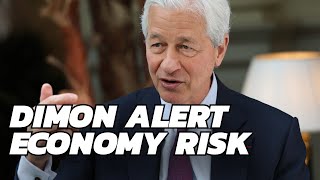
JP모건 CEO 다이먼의 경기 경고를 인용·정리한 영상. 2025년 6월 10일 모건스탠리 컨퍼런스 발언 기반으로, 팬데믹 부양 효과 소멸, 관세 영향(7~10월경 가시화 전망), 이민 축소로 인한 고용 둔화·인플레 소폭 상승 가능성, 사모신용 시장 위험(지금 가격·스프레드에선 매수 안 함)을 제시. 4월 경기침체 가능성 언급, 5월 침체 확률을 60%→50% 미만으로 하향했으나 스태그플레이션 가능성은 경고. 세계은행도 70% 국가의 성장률 전망을 하향했다고 인용. 영상 후반 채권 시장 균열·정부 부채 우려, 중앙은행 재인플레 가능성, 이에 따른 금 가격 상승 가능성을 해석으로 소개.
다듬은 글
Hello everyone and welcome. Today we need to talk about something incredibly important that could significantly impact your financial well-being and the broader American economic landscape. We're going to discuss the latest stark warnings from one of the most influential figures in finance, the CEO of America's largest bank, JP Morgan Chase.
He's known for his candid and often cautious assessments, and his recent remarks paint a picture that demands our attention, particularly for anyone living and working in the United States. His message is clear and direct. The US economy could soon deteriorate, and we need to understand what that means for us.
The banking titan, Jamie Diamond, recently stated that there's a real chance real numbers will deteriorate soon. This warning was issued at a Morgan Stanley conference on Tuesday, June 10th, 2025, where he spoke about the potential undermining of a soft landing for the economy. This isn't the first time he's sounded the alarm.
Diamond, who has led JP Morgan since 2006, has a history of sharing cautious outlooks, consistently highlighting potential risks to economic stability. One of the key factors he points to is the fading effect of the substantial government spending and monetary policies from the pandemic era. These measures provided significant support to the US economy.
But as their influence recedes, the country becomes more susceptible to a downturn. This is a crucial point suggesting that the recent resilience of the economy might be masking underlying vulnerabilities. Looking ahead, Diamond projects some specific changes that could affect our daily lives. He anticipates that employment will come down a little bit and inflation will go up a little bit.
While he hopes these shifts will be minor, even small movements in these critical areas can have a significant impact on households and businesses across the nation. This subtle shift in key economic indicators is something we must keep a close eye on. Another significant concern he highlighted is the impact of reduced immigration.
Diamond explained that lower levels of immigration could weaken the economy through its effect on the labor market. In an economy that relies on a dynamic labor force, changes in immigration patterns can indeed introduce complicating factors that affect overall economic growth and stability. The issue of tariffs, particularly those implemented by the Trump administration, is another central theme in his warnings.
Diamond explained that while the full impact of these tariffs hasn't yet shown up in hard data like monthly inflation and jobs reports, the economy is highly vulnerable to a downturn if that changes. He suggested that it will likely take a few months, possibly between July and October, for the full effect of tariffs on business decisions, hiring, and inflation to become clear.
The uncertainty generated by these policy shifts has already caused some of JP Morgan's clients to delay investments. Interestingly, while consumer and business sentiment surveys have indicated growing unease, partly due to the tariff strategy, this influential CEO was quick to dismiss such survey data as unreliable indicators of inflection points.
He emphasized that neither consumers nor businesses ever pick the inflection points and stress that the hard data such as job growth and inflation is what truly matters. This is a crucial distinction reminding us to look beyond mere feelings and focus on the concrete numbers. Beyond these broad economic concerns, Demon also raised a specific red flag regarding the private credit market.
This sector has seen rapid growth on Wall Street, but he believes it presents a potential area of concern if a recession were to materialize. He explained that the risks in this market differ for banks, which typically arrange deals and move them off their balance sheets, compared to investors who hold these assets.
His direct advice to fund managers was unambiguous. I wouldn't be buying credit today at these prices and these spreads, indicating a belief that current valuations in this market are not attractive, signaling caution for investors. Demon's recent statements are consistent with his long-standing cautious stance.
In early April, he personally viewed a recession as a likely outcome for the economy. Even last month, he reiterated that a recession remained a possibility, stating he wouldn't take it off the table at this point. Although his firm JP Morgan did lower its recession probability from 60% to below 50% after a temporary tariff pause with China in May, the underlying concerns persist.
He has even warned about the possibility of stagflation, an economic scenario where inflation remains high while economic growth slows. The challenges Demon outlined are not just isolated economic issues. They are interconnected global forces. He mentioned the complex interplay of trade, economics, and geopolitics, describing them as complex moving tectonic plates that could disrupt the economy.
While he doesn't believe these factors will cause the ship to go down, he emphasizes the importance of significant shifts such as military and global economic alliances to the future of the United States. Echoing Demon's concerns, other prominent figures in the banking sector have also weighed in. Wells Fargo Chief Financial Officer Mike Santa Masimo speaking at the same Morgan Stanley conference indicated that the lender expects US consumer loan growth to remain flat or possibly decrease through the end of the year.
Similarly, Croup's head of banking Vishnu Ragavan shared that his bank is proactively setting aside more provisions for potential losses on loans preparing for a possible downturn in consumer financial health. Furthermore, the World Bank's own global economic prospects report released on the same day as Demon's conference remarks slashed its growth forecasts for 70% of the world's economies, including the US, China, and Europe.
The World Bank's chief economist, Inter McGill, stated that the moment for a soft landing, has passed, and the world economy today is once more running into turbulence, warning that without a swift course correction, the harm to living standards could be profound. He specifically cited international discord, particularly concerning trade, as having disrupted policy certainties that previously aided poverty reduction and prosperity.
Some financial analysts interpret Diamond's warnings about the economy as implying a coming crack in the bond market and a period where people are going to panic. This perspective suggests that given global governments are saturated in debt and demographics are challenging, western governments will find it almost impossible to meet their ballooning liabilities, especially with the baby boomer generation retiring and living longer.
This situation characterized by a worsening worker dependency ratio is expected to lead to chronic and growing government deficits for years to come. These deficits, according to this analysis, will either require higher taxes or more likely increased central bank financing, which could lead to further inflation.
Central banks, despite their stated goal of ensuring financial stability, operate within a system built on unsustainable government spending, unstable demographics, and financial maneuvers. This broader context suggests that central banks may eventually be forced to inflate again, creating major trouble for bond markets and likely driving gold prices higher as investors seek protection.
This highlights a potential asset market roller coaster for investors. Beyond his economic outlook, Diamond also offered insights into leadership, urging corporate managers to embrace what he termed radical transparency. He criticized meetings designed to merely impress superiors or conceal problems, advocating instead for an environment where teams can put your dead cats on the table.
This metaphor underscores the importance of openly confronting challenges and uncomfortable questions such as what are they doing better? Such transparency, he suggested, is vital for effective management and improvement within organizations. In summary, the message from Jaime Diamond and other financial leaders is a call for vigilance.
The post-pandemic economic tailwinds are receding, leaving the US vulnerable to potential deterioration, marked by slight increases in inflation and modest declines in employment. The full effects of current trade policies are still unfolding, and reduced immigration adds another layer of complexity.
His concerns about private credit markets also serve as a reminder of the need for caution in investment decisions. These are not predictions of immediate catastrophe, but rather a warning to be prepared for a potentially weaker economic outlook as underlying conditions evolve and global tectonic plates continue to shift.
Thank you for tuning in and staying informed on these vital economic insights. We'll continue to monitor these developments closely and bring you the latest information as it emerges. Until next time, stay safe and be prepared.

Comments 0