
저자: PeterSchiff · 외국인
요약 보기
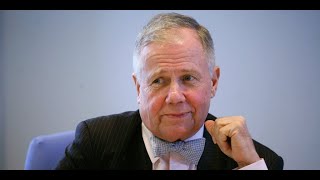
한 줄 결론: 피터 쉬프는 2020년 4월 코로나 충격 속에서도 연준의 대규모 통화 공급으로 인플레이션이 반드시 나타나며, 금 관련주 매수를 권했다. 경기·주식 전망: 실업률이 17%로 치솟아 20%를 넘을 것으로 보며, 경제는 주식시장보다 더 큰 어려움에 처했다고 진단했다. 연준이 주식시장은 인위적으로 떠받칠 수 있어도 실물경제에는 효과가 제한적이라고 주장했다. 경기 침체의 뿌리: 코로나 이전부터 경제가 병들어 있었고, 그 원인은 2008년 이후 10년간의 제로금리·양적완화였다고 설명했다. 지금의 연준 조치는 위기 이전 문제를 더 키울 뿐이라는 입장이다. 금 및 금광주: 대형 금광주는 올해 들어 주요 고점을 경신했으며 시장 전체보다 나은 흐름이라고 반박했다. 일부 주니어 광산주는 약세였다고 인정했다. 금 가격이 이미 오르고 앞으로도 오를 것이므로 금광주는 더 오를 수 있고, 사람들은 최대한 빨리 금광주를 사야 한다고 권했다. 인플레이션 전망: 인플레이션은 본질적으로 통화량 증가이며, 중앙은행이 역사상 이렇게 많이 찍어낸 적이 없어 소비자 물가에 반드시 영향을 준다고 주장했다. 식품 등 실제로 사는 품목의 가격은 이미 오르고 있다고 봤다. 항공권·유가 하락은 일시적이며 다른 물가는 며칠·몇 주·몇 달 안에 더 빠르게 오를 것이라고 전망했다. 진행자 반론: 통화 증가가 수요를 자극해야 인플레이션이 생기는데, 지금은 생산과 수요가 동시에 위축된 상황이라는 반론이 제기되었다. 쉬프는 생산 급감 속에서 신규 통화를 풀면 수요 과잉과 물가 상승이 나타난다고 재반박했다. 자산 인플레이션 및 분배: 인플레이션은 자산 버블 형태로도 나타날 수 있으며, 그 혜택은 대출자(부채자), 특히 생산자산을 레버리지로 산 사람에게 돌아간다고 했다. 임금생활자와 저축자는 피해를 본다고 주장했다. 정부는 구제금융과 부양책의 재원을 세금 대신 인플레이션으로 조달하며, 저축자의 구매력을 빼앗는 방식이라고 설명했다. 버블 붕괴 시 전망: 주식시장 버블이 꺼지면 정부는 주가 부양만으로 수조 달러 지출을 조달할 수 없게 되고, 그 비용은 임금과 저축의 실질 가치 하락, 생활비 상승으로 대중이 부담하게 된다고 경고했다. 결론: 진행자가 정리한 질문에 대해 쉬프는 미국에서 물가 인플레이션이 올 것이라는 입장을 유지했다. 미래는 불확실하다는 점도 인정했다.
다듬은 글
our next guest Peter Schiff Peters chief economist global strategist the Euro Pacific Capital a division of Allianz global partners Peter thanks for joining us again today on the show oh my pleasure to be here we'll try not to turn up the heat too much because I understand you're sitting right now in Puerto Rico with no air conditioning so try to make this quick bottom line unemployment this past week went up to a level guesstimate it to be 17 percent it seems like a foregone conclusion it's going to be over 20 what do you think this means for the economy throughout the rest of 2020 as well as the stock market well both the stock market and the economy are in a lot of trouble probably the economy even more so than the stock market because what the Federal Reserve is doing may artificially prop up the stock market but they're not going to have as much success with the real economy in fact the reason that the economy is so sick is not because the coronavirus I mean that's probably making it worse no question about that but even before the coronavirus came on the scene the economy was ill and that's because of what the Fed did I in the decade leading up to this disaster so what we're really gonna be suffering from is the hangover from all of the stimulus of the past all the zero percent interest rates and quantitative easing and what the Fed is doing now in the aftermath of this crisis is only gonna compound the problems that it created before the crisis so Jeff I know you've got some strong feelings and thoughts on the Fed and everything else so go ahead well Peter the last time you're on the show you and I chatted about something I'm a shift gears for a minute we talked about all this endless money printing and this has got to be your worst nightmare because now the Fed has an open checkbook to cure all the ills here and be the buyer and lender of last resort but you know you were really hyper focused on inflation and I don't see inflation ever occurring for money printing especially with the deflation that we're experiencing and one of your picks was gold miners on the show the last time and gold miners have been obliterated even though gold is up fifteen seventeen percent most gold miners drop two hundred percent plus and this correction that we have so how can we have inflation going forward when there's no inflation the feds been trying to create inflation for the last 10 years well first of all most of the major gold stocks have hit new multi-year highs this week so I'm really not sure what you're talking about yeah there are some junior miners that have been weak but overall gold stocks are doing a lot better than the overall stock market year-to-date now they should be doing even better given what's already happened to gold and what's likely to happen to gold and I think that's going to happen so I think people should be buying these gold stocks as quickly as they can but as far as inflation is concerned inflation by definition is money printing that's what's being inflated is the money supply so we've never seen the central bank create this much inflation in its history to think that it's not going to affect consumer prices I think is completely ridiculous I mean it already is prices are rising for the things that people are really buying like food yeah but but Peter but Peter money-printing only causes inflation if it increases demand now we've got excessive money printing with no demand in this new korone economy I think I think some of your some of your viewpoints Peter are divorced from economic reality on some of this stuff because the way you frame them make them sound like it's your opinions that are divorced from reality mine are grounded in reality when you create money you are creating inflation now that inflation will manifest in various ways I mean when the stock market went up a lot when the real estate market went up a lot it was inflation that was driving those price increases not the real increase in the value of the businesses but the nominal price and prices are going to rise the Fed is putting money into the economy at a time where production is actually going down what's happening as a result of the corona virus is businesses are not operating goods are not being produced services are not being provided yet we are creating more demand by flooding the economy with freshly printed money you're just focusing on certain prices yes airline tickets are down nobody is flying okay gas prices are down nobody is driving this is only temporary but look at what's happening to other prices they're already rising and they're going rise even faster in two days weeks and months ahead Peter so Peter in the spirit of the terrible incident from the 90s in Rodney King's famous words can't we all just get along we have one minute left in this segment so let me ask you the question this way I understand what you're saying but I also see that production is going to get ramped up in fact if the president says way it's gonna ramped up sooner than later so in the last minute and a half we have you think it's possible that the inflation once again shows up in an asset bubble and it benefits the wealthy as opposed to the average the average person out there well inflation benefits debtors where people who have borrowed money particularly to buy productive assets and it hurts wage earners savers people who have you know say you know credit so that's going to happen but remember all of the stimulus all of the bailouts have to be funded they have to be paid by something and if the government is not gonna pay for it with taxes they're doing it through inflation the government is funding the stimulus and the bailout by stealing the purchasing power of savers and spending it into the economy but there is no free lunch but Peter just real quick in the 30 seconds left you know why do you think it can't happen as asset inflation as we've seen really since 2008 because I could see that bubble is if that bubble is popped we're not going to fund trillions and trillions of dollars of government spending simply by propping up the stock market the public is gonna have to pay the price of these bailouts and it's going to come from the reduced value of their wages the reduced value of their savings the cost of living is going way up it's the government is not taking people's money but the government is taking the purchasing power from people's money and they're gonna feel that every time they try to buy something so Peter we need to leave it there for now unfortunately go to commercial break so bottom line you still think there's gonna be price inflation here in the United States and you know who knows what the future holds you could be right thanks for joining us again today Peter thank you so much you stay with us - we'll be right back here with more coming up on the income generation we'll be right back


댓글 0