저자: ChamathPalihapitiya · 외국인
요약 보기
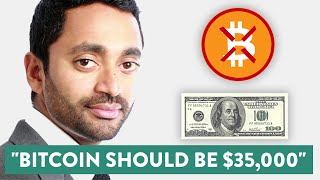
결론: 비트코인은 달러 패권 해체 수단이 아니며, 현재 금융 시스템의 구조적 취약성에 집중해야 한다. 비트코인 논지: 비트코인이 진정한 달러 탈출구라면 3.5만 달러는 넘었어야 하지만 2.8만 달러 수준에 머물러 있어, 대다수 보유자는 법정화폐 헤지가 아니라 소매 투자자 간 거래를 하고 있다고 봄. 사용처와 보급이 제한적이며 장기적으로는 포트폴리오의 일부로 가치가 있다고 봄. 달러 패권 논지: 위기 시 각국 중앙은행의 달러 의존은 오히려 커지며, 연준이 스와프라인을 열고 유동성 창구를 주간에서 일간으로 전환한 점을 근거로 달러 패권은 강화된다고 봄. FTX 논지: 파산 직전까지 SEC 승인이 임박했었고, 게리 겐슬러 위원장의 입장도 친FTX에서 반가상화폐로 급변했다고 평가. 다만 암호화폐 관련 음모론은 비생산적이라고 봄. 금융 시스템 취약성 논지: 미국·세계 은행 시스템의 취약성을 지적하는 주장 자체는 타당하다고 봄. 금리를 과감히 인상하거나 인하하지 못한 연준의 중간 경로가 최악이라고 비판. 금리 전망: 인플레이션이 끈적하여 금리는 예상보다 오래 높게 유지될 것이며, 인플레이션 억제를 위해 최종금리가 5.0%에서 5.5~5.75%까지 가야 한다고 주장. 연준이 유동성을 다시 공급하기 전 충분한 긴축이 필요하다고 봄. 틱톡 논지: 바이트댄스 매각 요구는 중국 정부 영향력과 캡컷 등 부수 앱의 보안 우려를 감안하면 복잡하며, 의회는 매각보다 폐쇄를 원할 가능성이 크다고 전망. 은행 신용 리스크 논지: 도이체방크, 바클레이즈, 소시에테제네랄 등 은행 CDS 스프레드에 리스크가 반영되고 있다고 주장. 크레딧스위스 사태에서 주주보다 채권자가 먼저 손실을 본 점이 파급효과를 낳는다고 평가. 소비자 대출 금리 상승, 채권 자금의 단기채·현금·금으로의 이동, 위험자산 급락 가능성 제시. 연준 조사 논지: 실리콘밸리은행·시그니처은행 조사 결과가 공개되면 입법 변화로 이어질 수 있다고 봄. 사설 신용 논지: 더드프랭크 이후 은행의 위험관리는 개선됐으나 사설 신용 시장이 급성장했고, 예금을 보호하면서 투자자 자금으로 위험투자를 하는 구조에 허점이 있어 교정이 필요하다고 주장. 사설 펀드의 LPA 위반에 비유하며 명확한 규율을 요구. 은행 규제 논지: 자산 500억 달러에서 2000억 달러로 올린 시스템적 중요 은행 기준은 잘못된 결정이며, 중소 은행도 체계적으로 중요하게 분류해야 한다고 주장. 출연자 전망 요약: 비트코인 단기 직접 전망은 없음. 금리는 높게 장기간 유지, 위험자산 하락 가능성, 은행 신용 리스크 확산 우려.
다듬은 글
if Bitcoin or crypto Assets in general were truly a legitimate off-ramp and salvation from US dollar hegemony and all of this stuff why isn't Bitcoin at least at 35 000 a coin right now it's barely above 28 000 it really hasn't moved that much and I think the real answer is that most people in Bitcoin are not trying to hedge their existing fiat currency exposure they're just picking off people in retail how else do you explain an asset that is not absolutely ripped in the face of all of this terrible news about the financial system and I think the answer is because it's still a cul-de-sac of users it's not broadly available not broadly adoptable not broadly used I I still believe that it's valuable I was the earliest proponent of Bitcoin 2011.
yeah 2012. so I believe that there's a place for it in one's portfolio but I just think connecting these dots misses the point and I think the point is much much bigger than a crypto offering the point is that we have a lot of systemic shocks that are building up in the system we have broken a ton of the systems that caused the financial infrastructure in the world to work properly and we are just starting to uncover how they're broken so I think we need to focus our energy on that and dial down a little bit of the Bitcoin Maxi stuff because it distracts from a really important set of topics that are more inclusive and actually touch seven billion people but the reason that we print so much money is sort of what free Brook says which is that we just want a well-functioning society and the simplest and shortest way to do that is to make sure that there aren't any winners and losers anymore and the most effective way to do that in the markets is with money print a bunch of money and there are no more winners and losers and so everybody can kind of win some people may may win more but nobody really ever loses so I think that's the that's the mo that we're operating under but the other part of it is like does it reinforce or does it decay U.S dollar hegemony and I think it actually reinforces it and the reason is just very practically speaking when you look at how dependent other people other countries are on the US dollar in times of stress they actually become more dependent and that has a lot to do with their boring patterns the amount of dollars central banks need outside the United States and so what did you see in a moment of stress actually the FED opened up swap lines to all the central banks that they work with uh their most important operating partner so Europe Canada Japan Etc Switzerland and they moved the liquidity window from weekly to daily and they pounded the swap lines so I don't know I think that most people that that kind of like it's like a boy crying wolf maybe at some point somebody will be right but you're going to lose so much money trying to take a point of view around this topic that it's more practical to just look at Dollar flows and dollar flows go up in moments of stress not go down and they go up in a distributed manner across the monetary Plumbing of the world FTX was days away from getting a critical approval by the SEC to actually even further legitimize their U.S exchange before they went out of business so I think Gensler had to Pivot very hard from at a minimum being very Pro FTX and there's all kinds of stories about his interrelatedness with Sam and his family to very anti-bit or anti-crypto in general that's clearly happened but look I think that this is like a lot of tin hatting which I don't think is very productive if you look at the total number of non-zero Bitcoin wallet addresses in the world and let's be extremely generous and say it's a hundred million there's still 7 billion people in the world and so I just think everybody that tries to speak about the fragility of the U.S and worldwide banking system is right but and that part I think is quite lucid and unemotional but every time they try to connect it to bitcoin they sound like a crazy person because they're just talking their book they took the worst option which is neither did they cut nor did they raise enough and so this problem that sax represents actually is the fundamental problem now which is you won't have enough Clarity and signal to really know whether this 25 basis point enough look I've maintained now for nine months that rates are going to be long higher than we like and longer than we want and so I think it's high time that we acknowledge that we have a sticky inflation problem who's back we have to break we've known since Volker era what we need to do to do that which is you need to get interest rates to be greater than terminal inflation which means that if five percent fed funds rate is insufficient so we're going to need to see a print of five and a half 5.75 percent and that's when you're going to have enough contraction and then the FED can come back with liquidity but if they don't take these steps we're going to be in this very choppy neither here neither their situation and I think that is what causes the real damage because it's the corrosive effects of uncertainty and what that does to lending to risk taking and I think is really bad for the economy I didn't think Tick Tock did a very good job and I think that there are some they were terrible today and I think that there are some real issues around how much control does actually flow back I don't think that it was definitive he needed to be much clearer and adamant that this was an independent business that didn't have back doors to China and the CCP to appease Congress he didn't do that that first question was just the death blow right from the beginning it's like oh oh this is not going to go in a good place because they should have been able to see that that question was going to get asked and you need to have that asked and answered philosophy where the only answer is no the only answer you could have given is no and the fact that he wasn't able to say that it was a bit of a feta complete soon as soon as that was in my mind I was like this thing is getting shut down because I don't think there's a shutdown yeah there's no divestiture plan that can be technically audited in a short amount of time to appease these folks they want a pound of Flesh and then separately the bigger issue that I think you have to deal with is what does that mean for how other governments may be pressured to act who want to be on the pro-us camp and I think that that's a question because bike dance and Tick Tock have presence Beyond just China and the U.S a third question is how does the golden vote get used on the bike dance board and what do they do and do they even want this thing public explain golden vote essentially they'll decide what happens to that company and they have that in Alibaba they have that I think a 10 cent I think they have that at bite dance so the Chinese government has a very strong hand in the direction of these business and then the final point is that there's a secondary app that Tick Tock has called cap cut which also is enormously popular in the United States which is yet another potential back door for privacy or spying violations whatever the U.S Congress wants to pin on them so I think it's a very complicated moment for that business and their U.S asset government be satisfied that the code base was separated elegantly that there was no malware surreptitiously planted how will you actually prove all of this to a degree that satisfies a legislator so I think the pound of Flesh that they want is more easily and more salaciously satisfied by shutting the thing down so if I had to bet on what happens I bet more on that and see it in the credit default spreads of these Banks it's in the water table already so you can Nick you can just throw it up if you look at any Bank that's lending and that has a portfolio this is Deutsche bank's you know Euro denominated CDs but it's the same for Barclays it's the same for sock gen it's the same for a bunch of American Banks there is a risk in the system that sacks articulated that is now getting priced in there are all kinds of loans whose payments which the banks need cannot necessarily be insured which means that then there could be illiquidity there there could be a flow of deposits out from those Banks which would then make their ability to pay their debt holders lower you also have this complicated issue already where it's really like the first time in a long long long time where debt holders actually got wiped out in the Credit Suisse debacle before the equity holders did and that's created all kinds of Ripple effects so this credit bubble is here and it's being manifested right now in these very sophisticated parts of the market and eventually they'll Ripple to the broader economy at large but how a person feels this is they're not going to be able to get a car loan or a mortgage or the interest rates they pay will go up and then how bondholders will react to all of this stuff is they'll just start to find different assets probably the front end of the curve money market Cash Gold and they'll just abandon all these assets and then the other problem is that it's just really really bad for risk assets so the things that we invest in startups technology companies either in a world of inflation run amok because the FED isn't hiking fast enough which just destroys future cash flows or in a world where the FED pivots in a moment like this and Nick you can show the second chart both result in the same outcome which is that you just see these massive drawdowns in the value of risk assets so we're in a really complicated moment and this is why I think again the FED needed to take leadership this past week and actually do the hard work of either cutting 50 bips or raising 50 bips and this middle path is the absolute worst path because trying to thread a needle in this complicated economy I think is just going to be impossible and then what happens is then the markets move around them right the markets have completely said we now discredit what you did and they're basically banking that the FED will be forced to cut rates massively in short course because the crisis will be so severe that it'll outweigh the risk of inflation in early May the FED will release their investigation into Signature Bank and svb okay Powell said that this week I think it'll be really interesting to see how much honesty they both put into the report and then whether the entirety of that report is made available to the rest of us to read but I think sax has very elegantly summarized what's happening and it doesn't take a genius to figure out that this doesn't make sense and so the question is what is the tolerance that we have for changing something that clearly is mischaracterized what consumers think they're getting and what banks are then doing are two totally different things and If the Fed actually is really really honest and really lays bare everything that happened it'll be very hard to not legislate changes based on it and this look your best swing at a legislative change would be watch a month what is the what is the low-hanging fruit what's the layup here well I think we've seen this happening in other markets for a while which is that banks have become In fairness to them much much better at risk management post Dodd-Frank post great financial crisis and the result of that is that there's been a lot of emerging private credit markets because most the bank is about lending right they're not really buying equities they're lending money they're a debtor in possession of something right and there's been a just a massive explosion of private credit and it started in the most obvious areas it started in things like Clos it started in asset-backed Securities solar car loans credit cards mortgages private Equity backed deals so I think the rational answer is that Banks need to protect a hundred percent of deposits and that if they want to have extracurricular activities if you will they need to be able to raise money from investors put that to work in a really fair and transparent way and then share in the profits between all of the related parties that are involved in that transaction no different than any other risk-taking organization and I think that this is now what we've probably shined a light on is in really odd loophole that just needs to get closed in 2023.
there's such easy uh hygienic changes here like let's put it a different way if you raised money for a liquid hedge fund that at quarterly redemptions and then violated the LPA and stuffed it into private companies that had 10-year illiquidity there would be hell to pay yeah and vice versa if you raise money on tenure a liquid locked up capital on the presumption you were going to invest in startups and then instead put it in the stock market thinking that you could flip it and make some money you would have violated the LPA and there'd be hell to pay similarly I think what Sox is stating is that there is a mismatch of what the depositor in this case the investor expects and what the risk manager is doing and I think that you have to correct that one way or the other make it abundantly clear that we're never going to ensure 100 and deal with that risk or make it 100 and deal with the Fallout which is largely about uh wiping out a lot of equity value in Banks LPA equals limited partnership agreement right just just to clarify one thing I'm not saying that these bank managers are all going to the casino and gambling the money I think that they are generally more responsible than that what I'm saying is that the incentives created by this crazy system we call banking create a weird incentive for them to gamble because they're so highly levered from their standpoint your deposits are their leverage everybody but the gsibs because I think the g-sibs there's so much scrutiny if you look at how well-run City B of A Wells and JPM are relative and contrast them to the sub G Subs it's like night and day and so the other thing that I think we've realized is who thought it was a good idea to raise the bar on eligibility from 50 billion of assets to 200.
clearly now that made no sense it makes more sense to actually categorize every Bank has systemically important maybe not globally but at a minimum to the US economy because these people play a vital function in society and they were allowed to take a much more aggressive wrist posture because they were able to Lobby the government to change the rules
Comments 0